How to Choose Window Fittings for Your Heritage Home Restoration
08 October 2026Choosing the right hardware for a home shouldn’t require a locksmith’s vocabulary. But between euro cylinders, rebated locks and skeleton keys, the terminology around door furniture can leave even a confident renovator second-guessing themselves. This guide walks through the main types of door locks for homes, so you can choose with the same confidence you bring to the rest of your restoration.
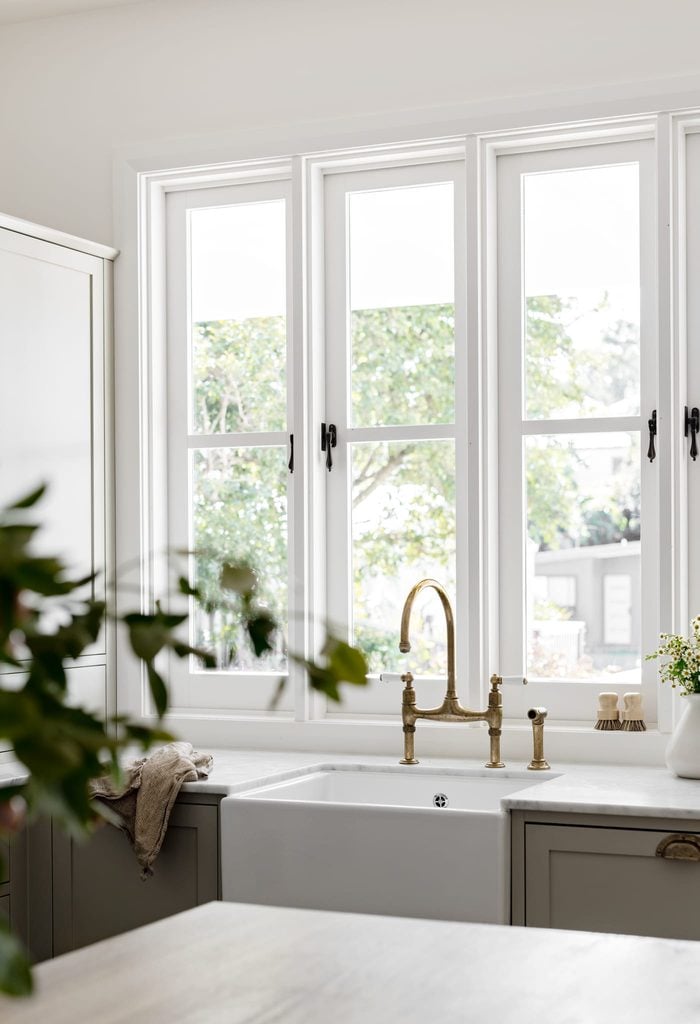
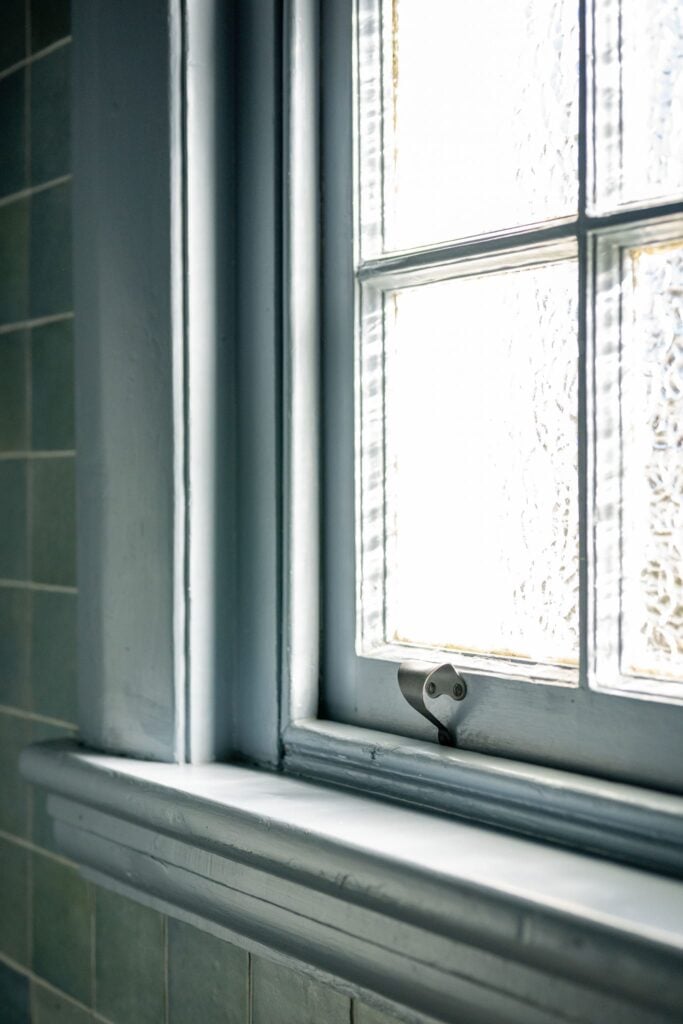
Before air conditioning, a home’s comfort depended on its windows. Sash windows were raised to let warm air escape, casements were swung wide to catch a cross-breeze, and fanlights above the door were tilted open to keep air moving through the hallway. Each of those movements relied on a small piece of hardware: a lift to raise the sash, a stay to hold the casement in place, a catch to open the fanlight.
Over the decades, many of those fittings have been painted over, replaced or lost altogether. Fanlights that were made to open are often left fixed shut, and a sash window without its lift or fastener reads as unfinished, even after careful restoration.
Choosing the right window fittings begins with two questions: what type of window do you have, and what era is your home? This guide works through both, then explains how each fitting works so you can restore your windows’ original function as well as their appearance.
Step One: Identify Your Window Type
The way a window opens decides the fittings it needs. Most heritage homes in Australia have one or more of the following.
| Window type | How it opens | Fittings it typically needs |
|---|---|---|
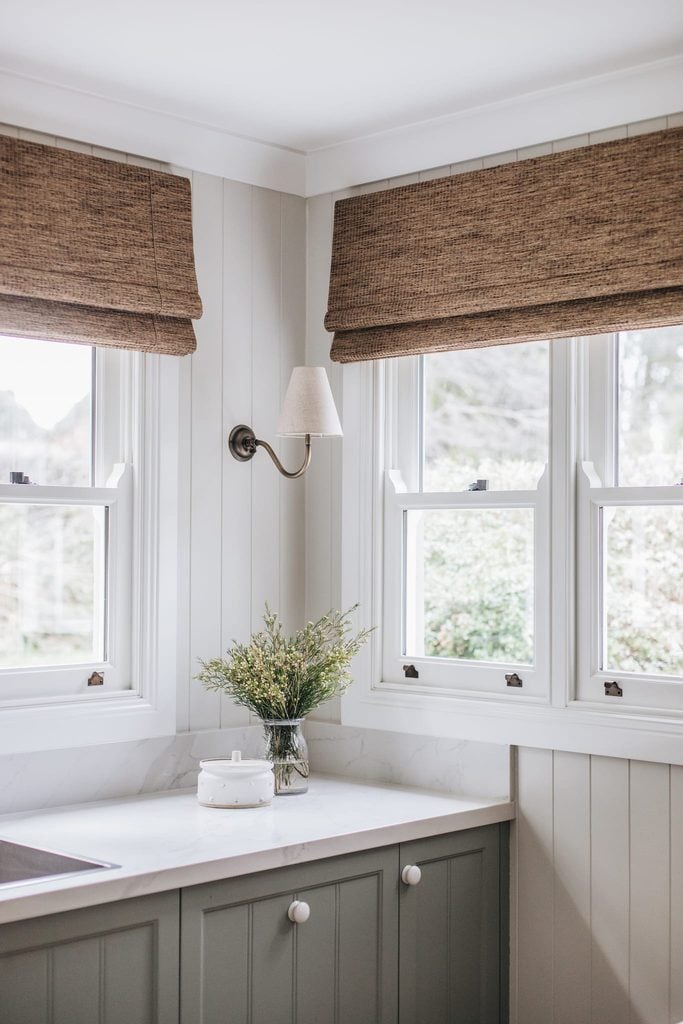
| Sash window | A sash slides vertically up and down within the frame | Sash lifts, sash fastener, sash drops, sash window pulleys |
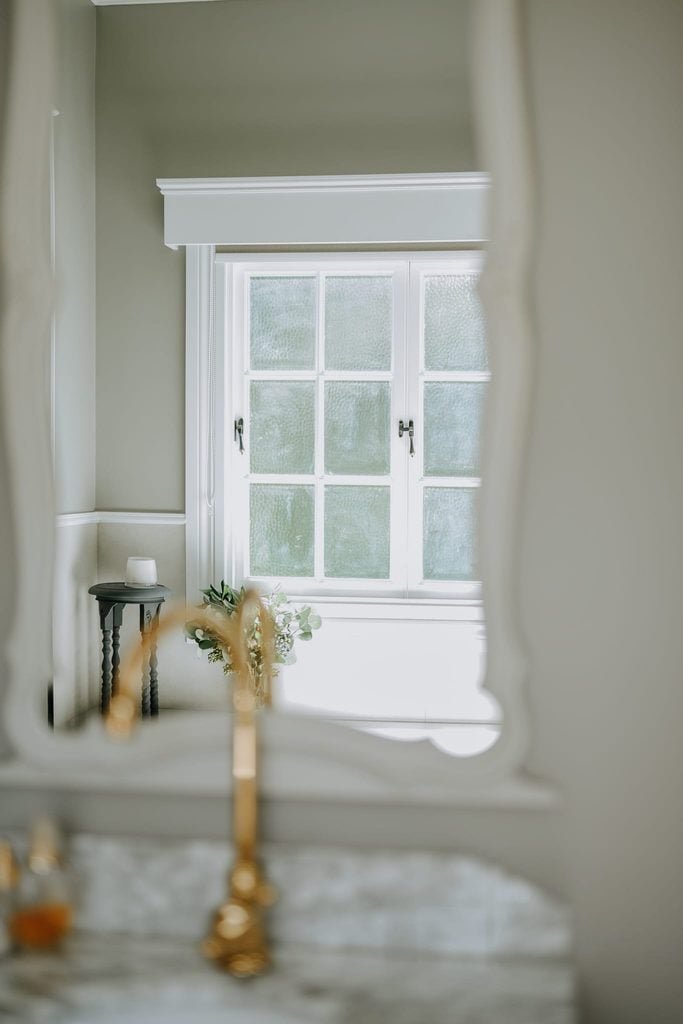
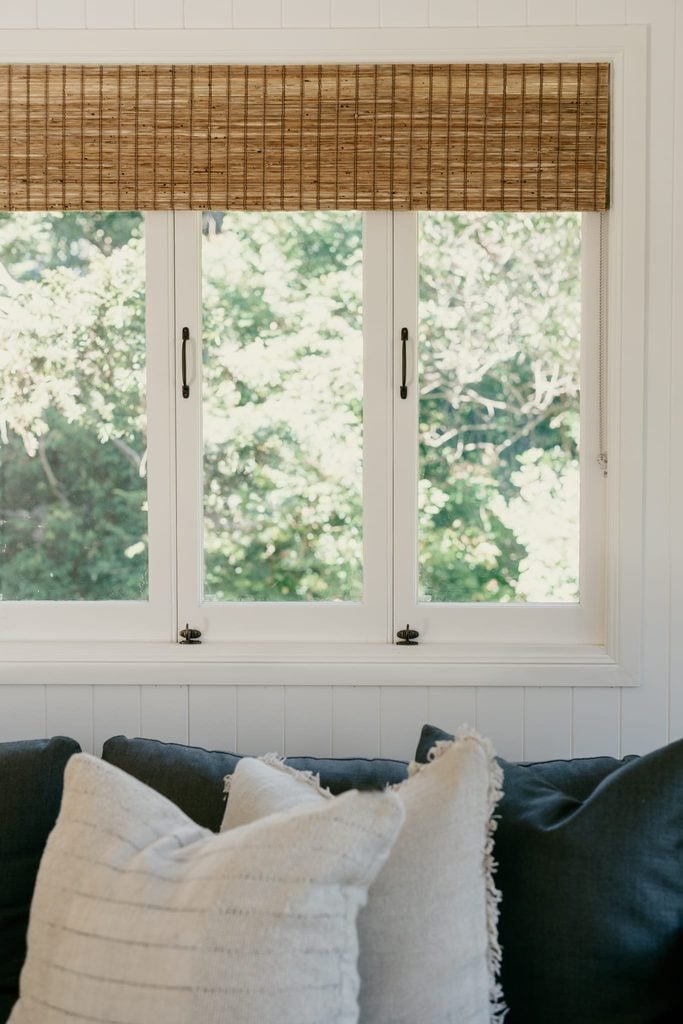
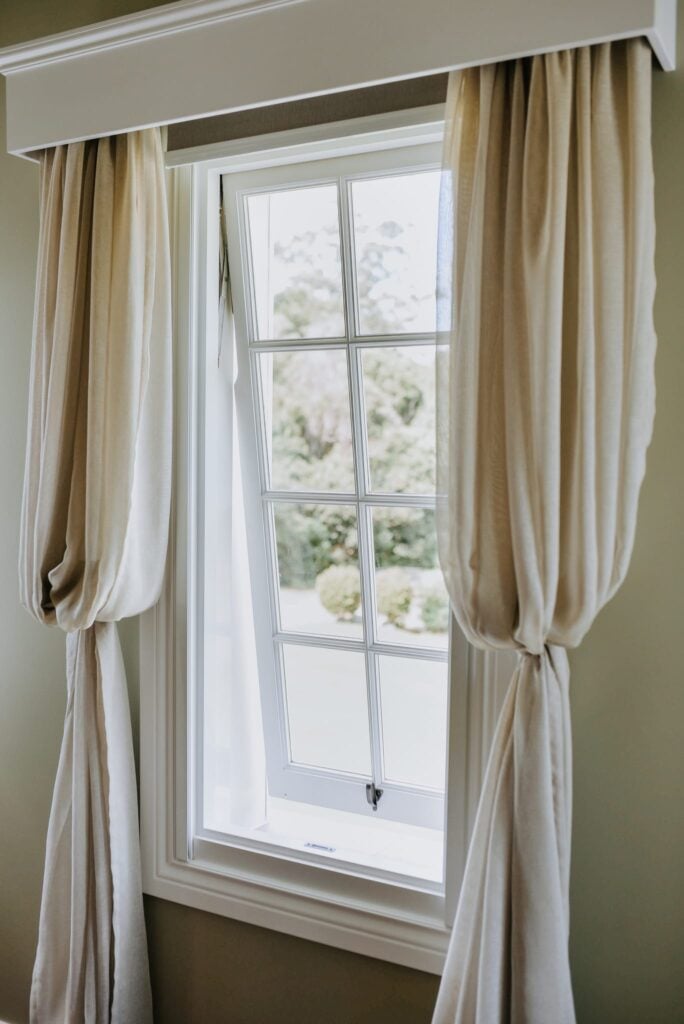
| Casement window | Hinged at the side, swinging outwards like a door | Casement stay, casement fastener (or a sidemount stay, which does both) |
| Fanlight window | Sits above a door; can be hinged at the top, bottom or middle, opening in or out | Fanlight window operator, or a fanlight catch with swivels, stops and a pole hook |
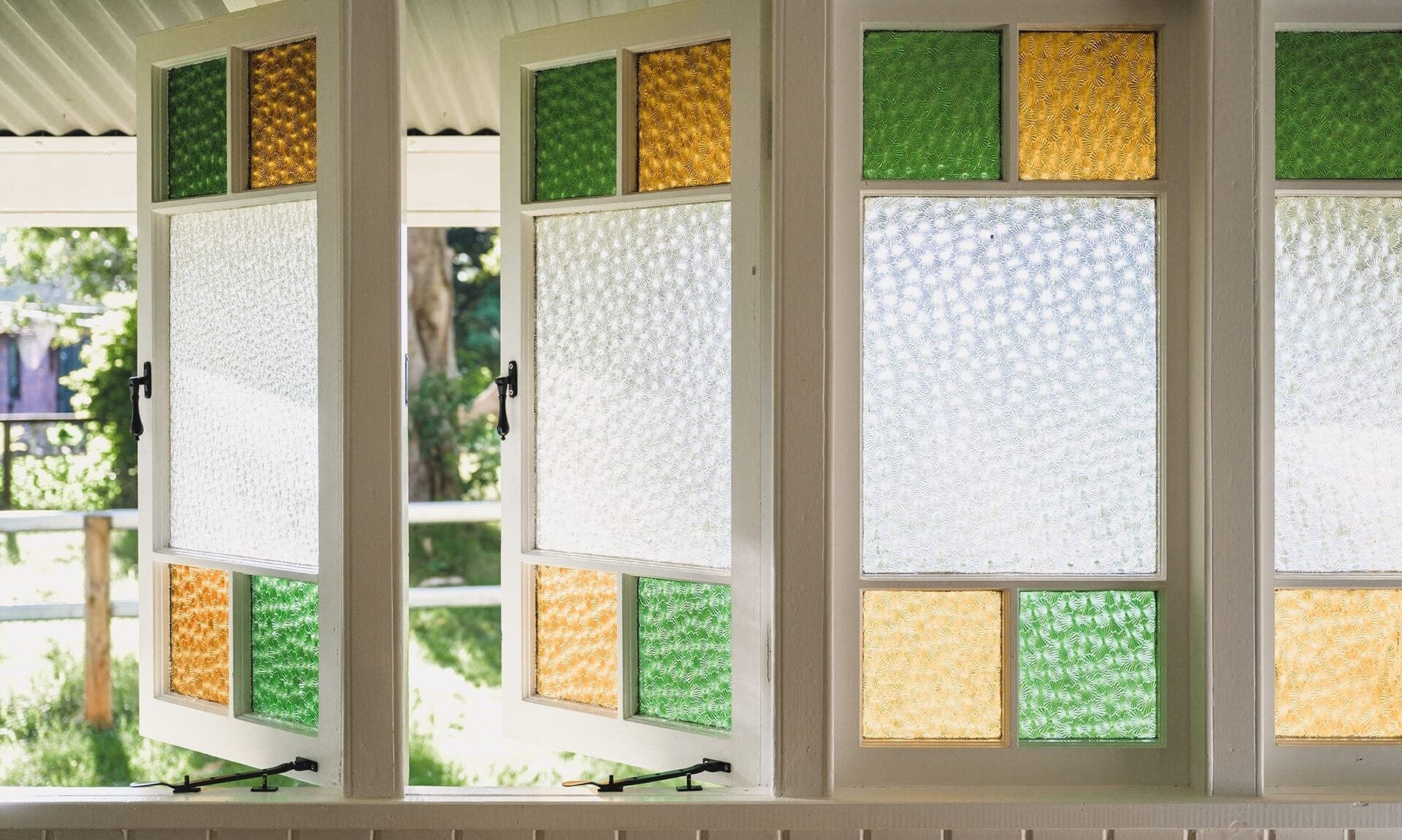
| Awning window | Hinged at the top, opening outwards | Quadrant stay, spur catch, hopper window fastener or wedge fastener |
| Hopper window | Hinged at the bottom, opening inwards | Hopper window fastener or spur catch |
If you’re unsure, open the window and watch the direction of travel. Sliding up means sash; swinging sideways means casement; tilting from the top or bottom means awning, hopper or fanlight.
Step Two: Match the Fittings to Your Home’s Era
Each period of Australian architecture favoured particular windows, and the fittings followed. Here is what each style typically featured, and the fittings that suit it.
| Era | Windows of the period | Fittings to consider |
|---|---|---|
| Colonial Georgian1788–1850 | Sash windows, often with timber shutters to regulate light and airflow; early sashes lacked counterweights | Sash drops, sash lifts, sash window pulleys and sash fasteners; fanlight fittings where an original fanlight survives |
| Victorian1837–1901 | Sash windows were prevalent, often with leadlight or stained glass | Sash lifts, drops, pulleys and sash fasteners |
| Worker’s Cottage1840s–1930s | Sash windows were a mainstay | Sash lifts and sash fasteners in brass |
| Queenslander1840–1939 | Traditionally casement windows; double-hung sash windows in some homes | Casement fasteners, ideally in unlacquered polished brass |
| Federation/Edwardian1901–1920 | Bay windows, casement-style windows and double-hung sashes, often with leadlight and stained glass; fanlights are common, with some awning and hopper windows | Sash lifts, fasteners and drops; casement stays and fasteners; fanlight operators or fittings; hopper window fasteners for awning and hopper windows |
| Californian Bungalow1915–1940 | Sash and casement-style windows, commonly with leadlight and stained glass | Sash lifts, fasteners and drops; casement stays and fasteners |
| Art Deco1920–1939 | Sash and casement-style windows, often with leadlight and stained glass; steel-framed windows replaced timber | Sash lifts, fasteners and drops; casement stays and fasteners |
| Mid-Century1945–1970 | Minimalist windows, often sliding or fixed panes of glass; some homes feature casement, awning and hopper windows | Casement fasteners and stays; hopper window fasteners for awning and hopper windows |
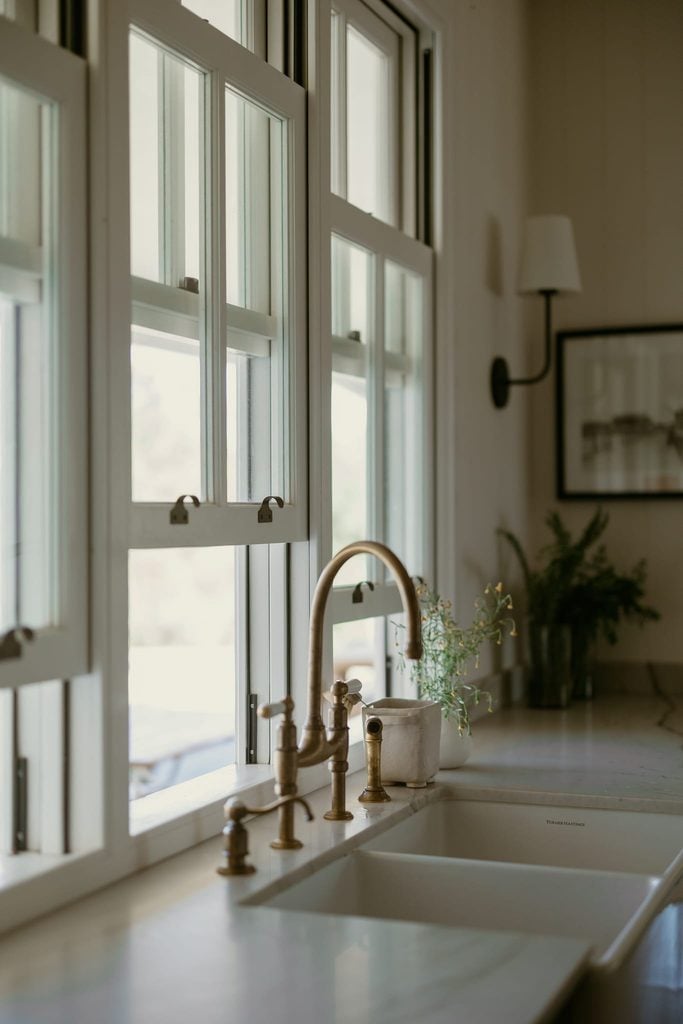
| Modern Farmhouse2010–present | Sash windows, recreating the traditional farmhouse | Sash lifts, such as the Classic Sash Lift in Antique Brass or the Dished Sash Lift in Matt Black |
Colonial Georgian, Victorian and Worker’s Cottage Homes
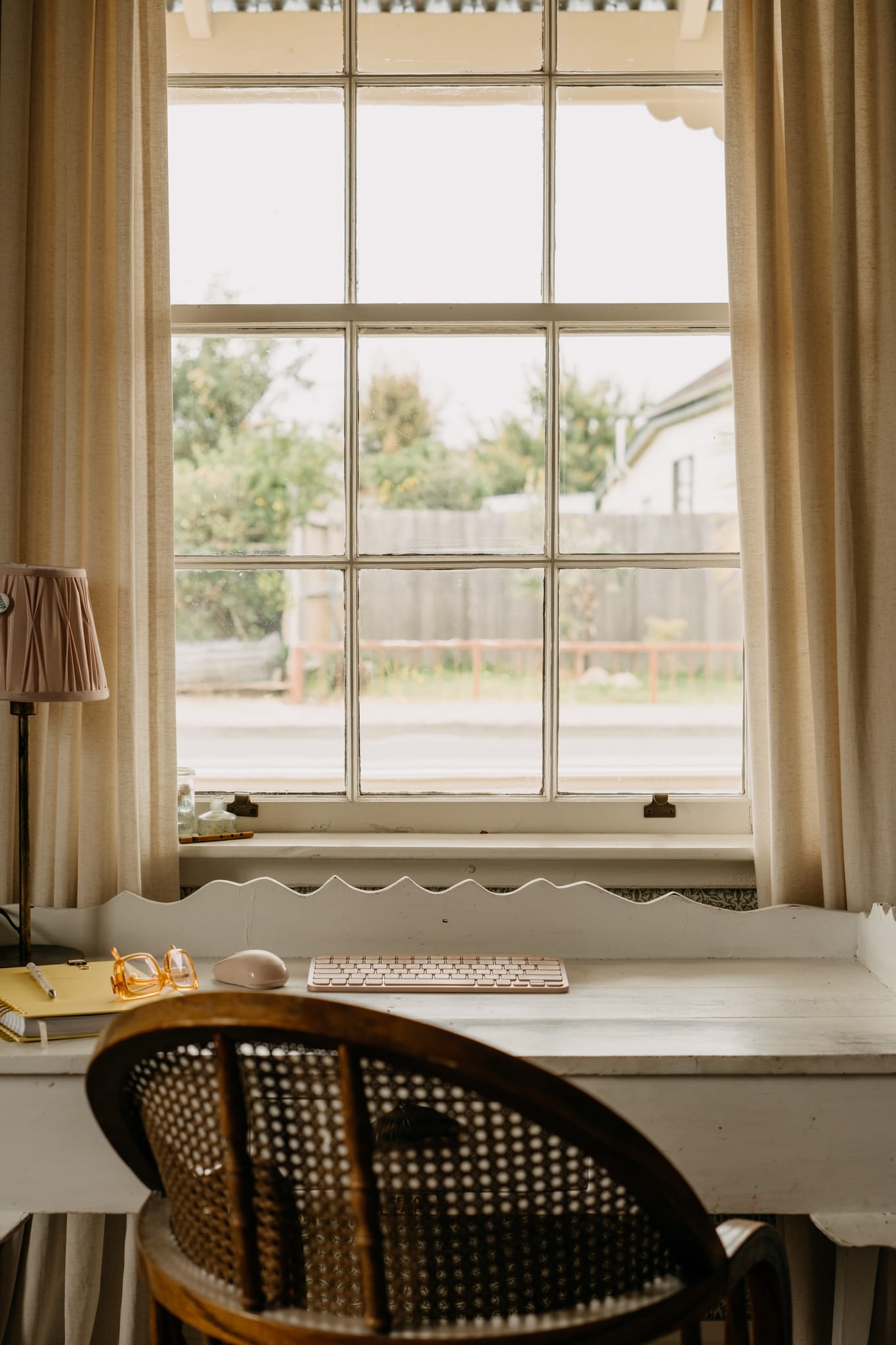
The sash window defines Australia’s nineteenth-century homes. In Colonial Georgian houses, early sashes were made without the counterweight mechanisms of later designs, so simple sash drops (also known as stoppers), lifts and fasteners did the work of holding and securing them. Those same elements remain essential to a faithful restoration today.
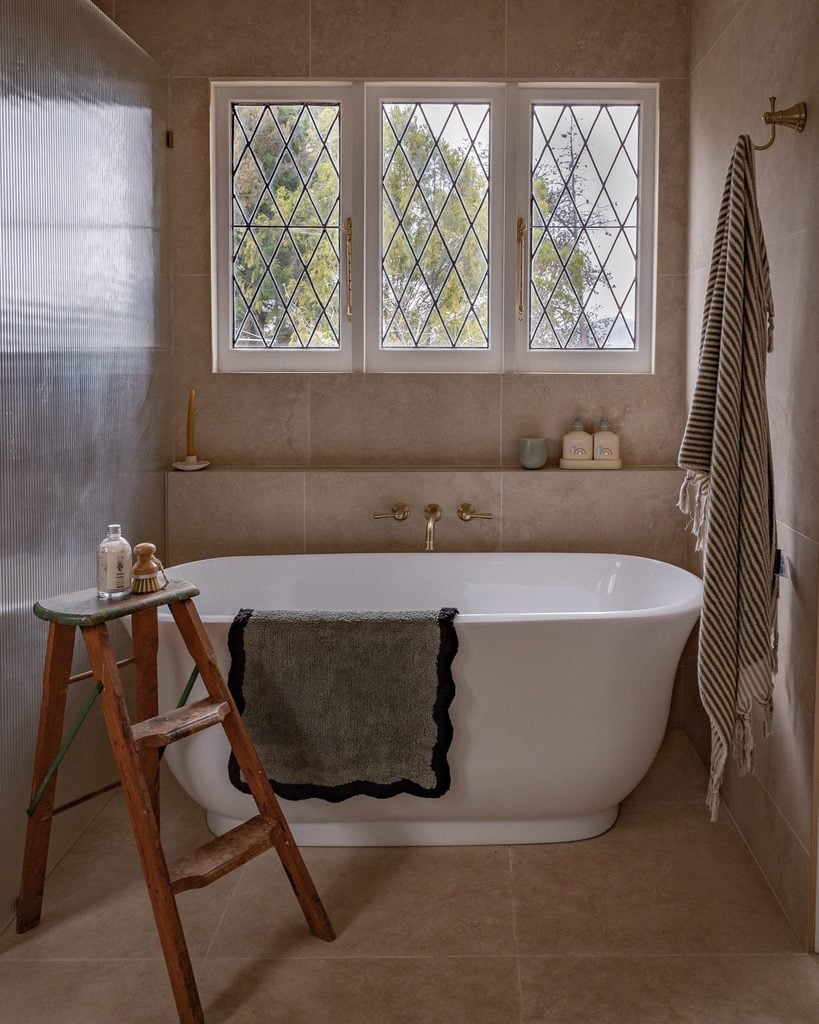
By the Victorian era sash windows were prevalent, often set with leadlight or stained glass, and in the Worker’s Cottage they were a mainstay. Here, solid brass sash lifts and fasteners suit the period, also used throughout Worker’s Cottage design.
Queenslander Homes
1840–1939
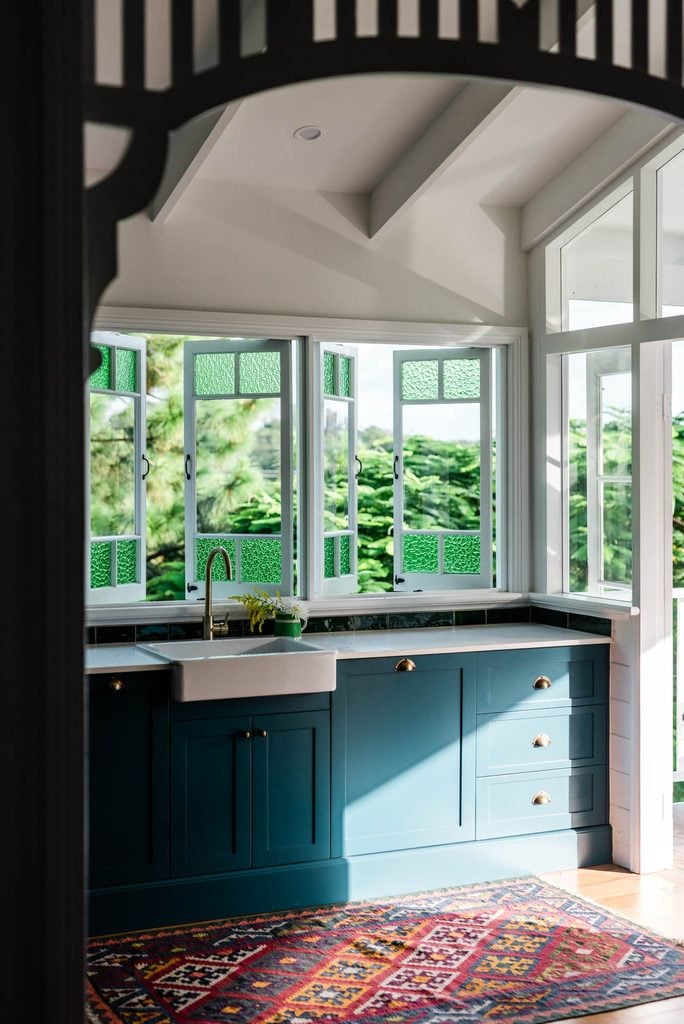
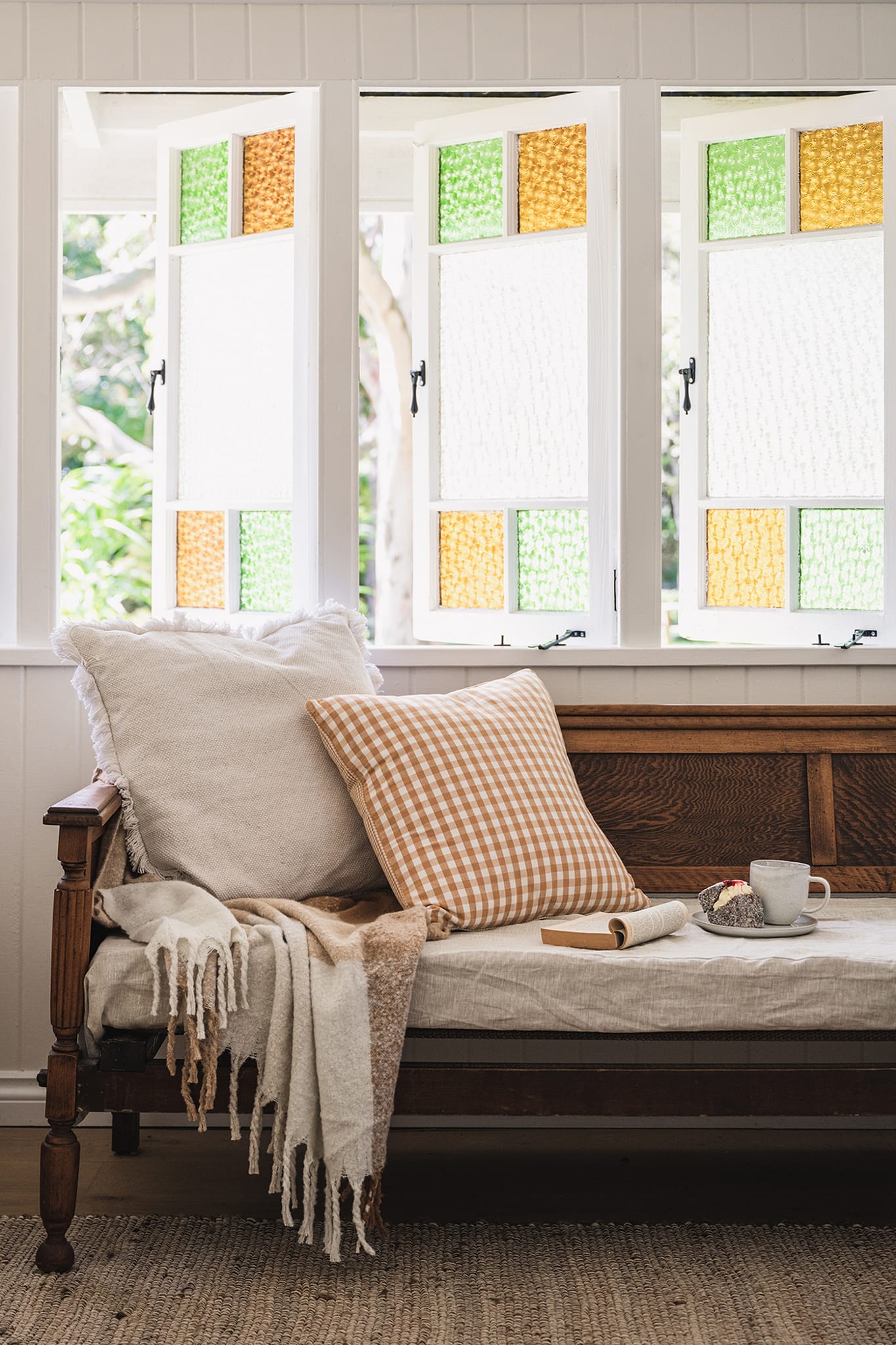
Queenslanders traditionally had casement rather than sash windows, though double-hung sash windows feature in some homes. Restoring or replacing them like-for-like, with authentic casement fasteners in unlacquered polished brass, carries a faithful restoration right down to the details.
Federation and Edwardian Homes
1901–1920
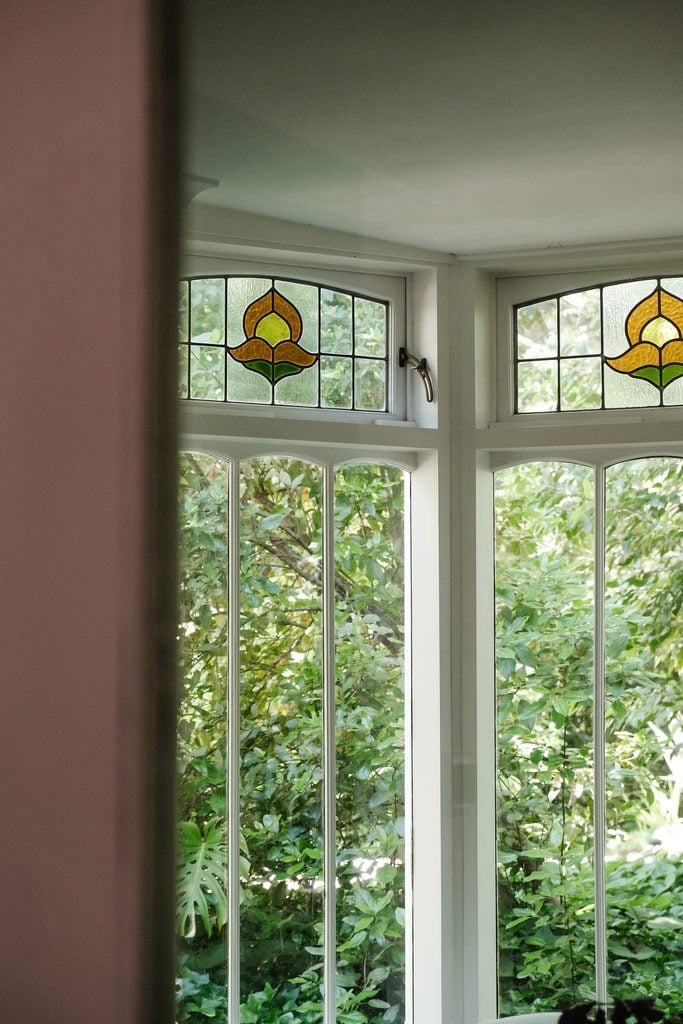
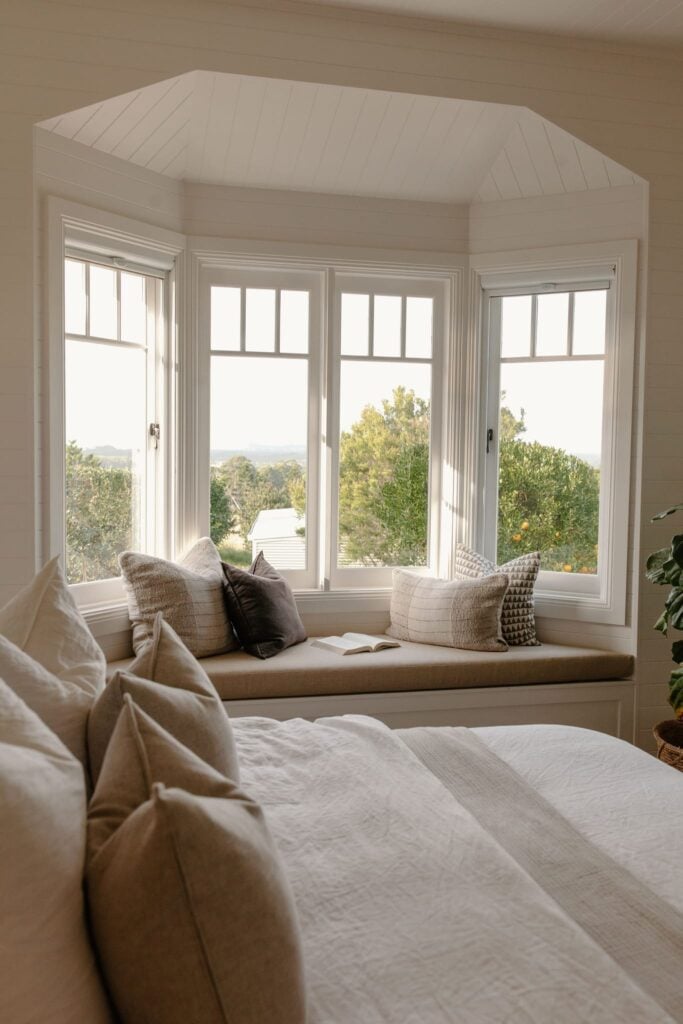
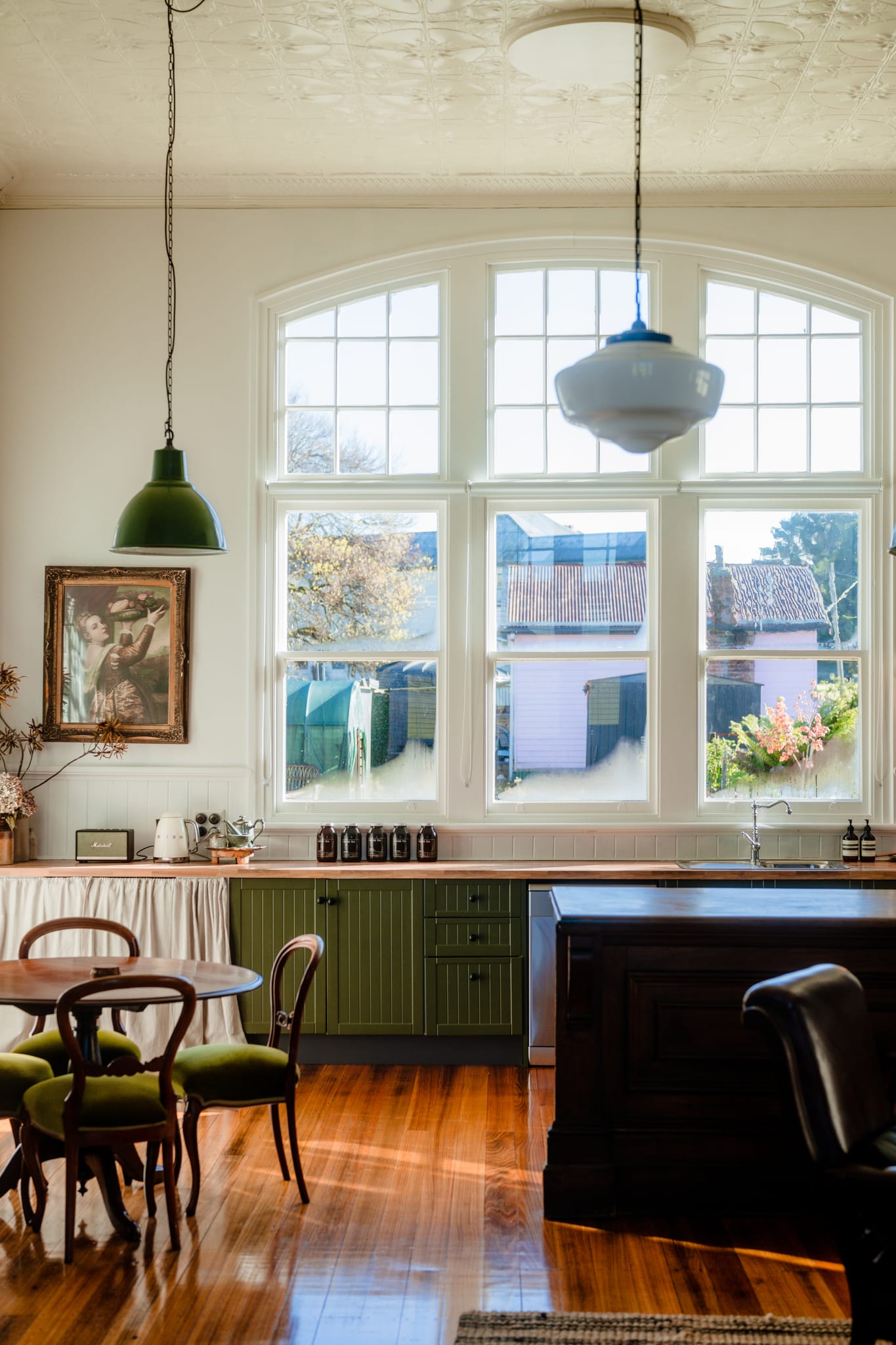
Federation and Edwardian homes brought more variety to the window. Bay, casement, double-hung, awning and hopper windows all feature, many glazed with leadlight and stained glass, and each calls for its own hardware. Sashes take lifts, fasteners and drops, casements take stays and fasteners, and awning and hopper windows are secured with quadrant stays, spur catches, hopper window fasteners or wedge fasteners.
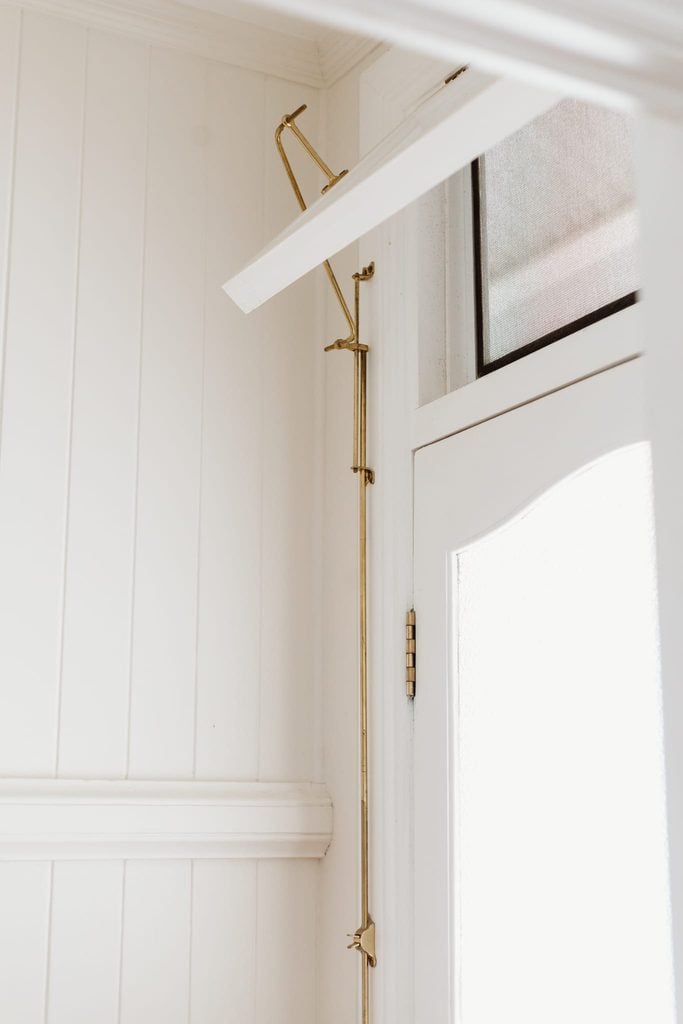
Fanlights are also common in homes of this era, and were originally operable. On an original fanlight, a fanlight operator restores its function as well as its appearance, along with the passive ventilation these homes were designed around.
Californian Bungalow and Art Deco Homes
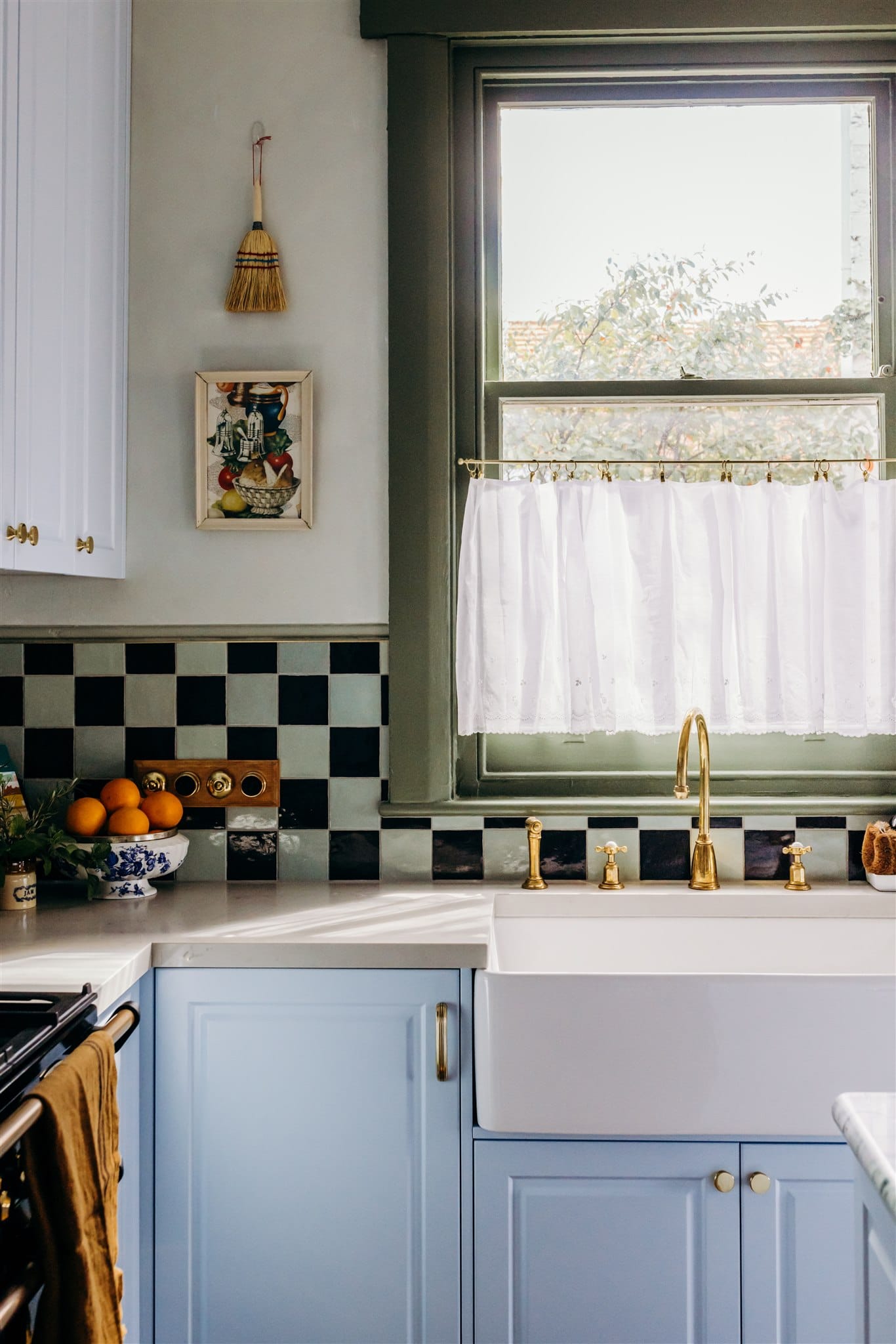
Sash and casement-style windows carry through into the Californian Bungalow and Art Deco periods. In Art Deco homes, casement-style windows were often fitted with leadlight and stained glass, while steel-framed windows replaced the timber ones of earlier eras, their futuristic feel suiting the Art Deco language. For timber sash and casement windows in either style, the same principles apply: sash lifts, fasteners and drops for sashes, and stays and fasteners for casements.
Mid-Century Homes
1945–1970
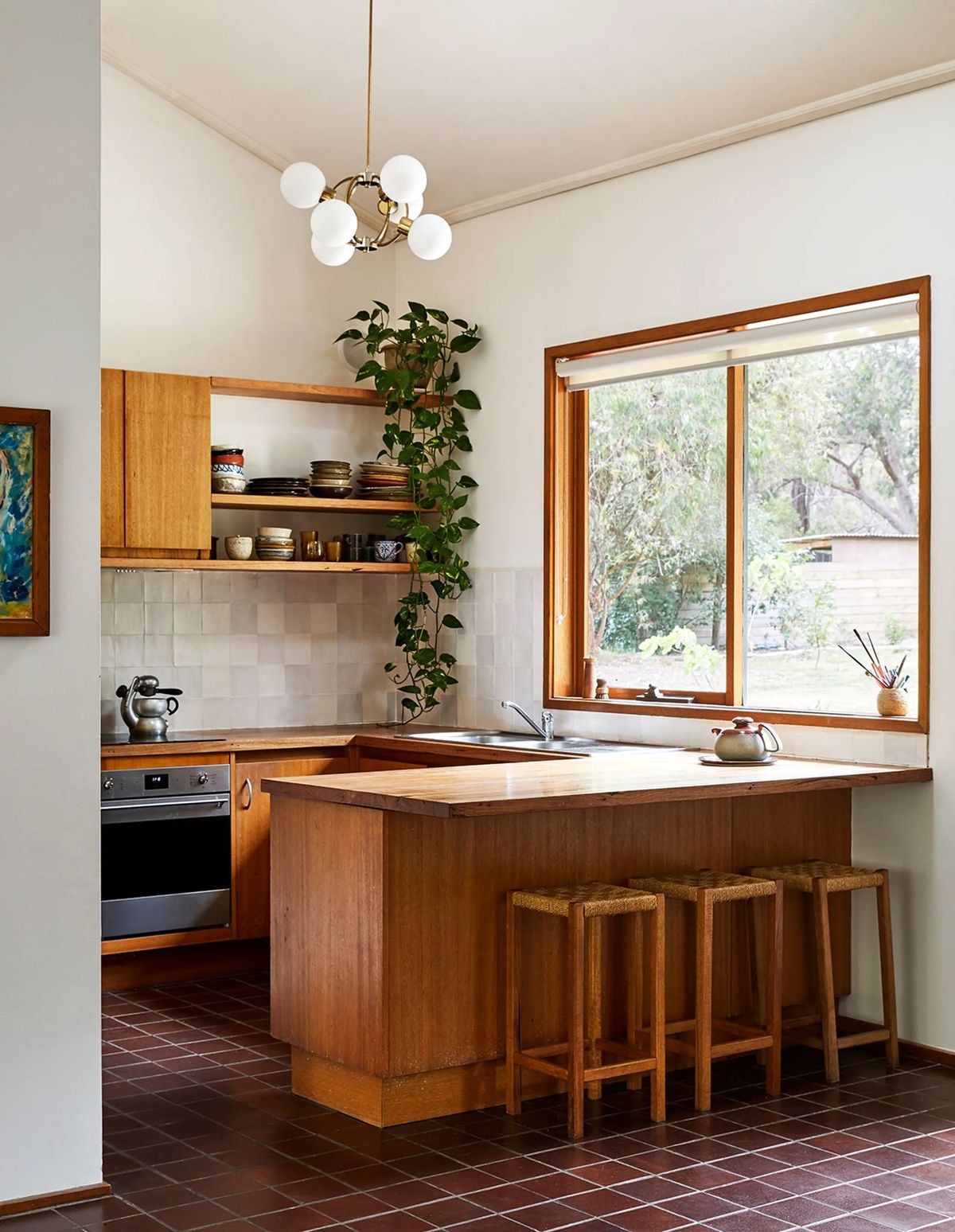
Mid-Century homes made the window part of the architecture. Generous expanses of glass in timber, steel or aluminium frames opened the house to the garden and drew light deep inside. Many windows are sliding or fixed, kept minimal so nothing interrupts the view. Some homes also have casement, awning and hopper windows. Casements take fasteners and stays, and awning and hopper windows take hopper window fasteners.
These homes were designed to stay cool, and the operable windows helped with that. Restrained fittings in a finish that suits the frame keep the clean lines of the era intact.
Modern Farmhouse Homes
2010–present
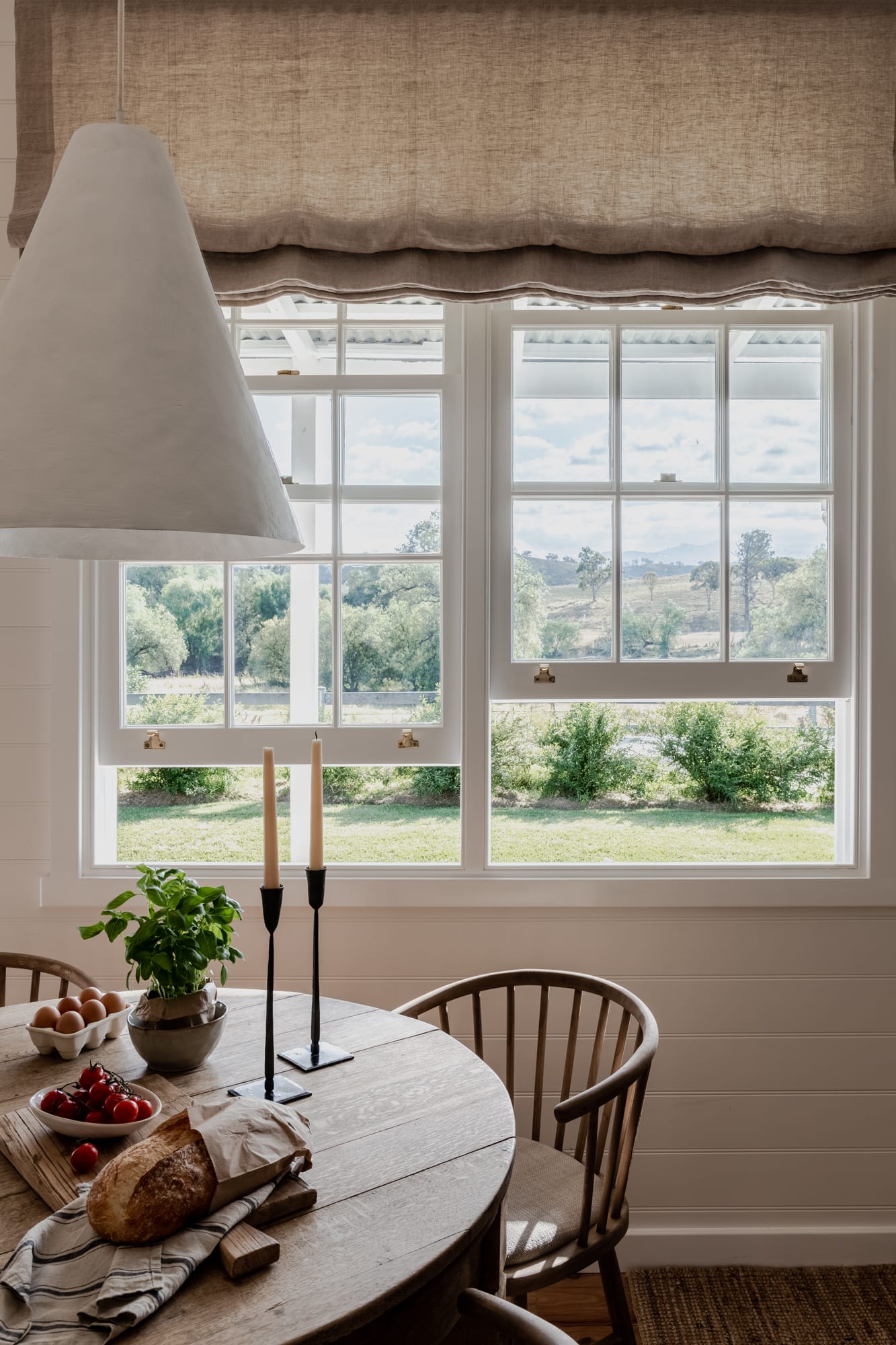
Traditional farmhouses usually featured sash windows, so recreating them in a new build gives a farmhouse feel that stays faithful to the theme. Make sure the fittings match: nothing lets down a period feature more than poor-quality hardware.
For more on each style, explore the full Journey Through Australian Architectural Styles series.
Step Three: Understand How Each Fitting Works
Once you know your window type and era, the next step is understanding what each fitting does, so you can see what is missing and what needs replacing.
Sash Window Hardware
Sash windows are either single-hung or double-hung. In a single-hung window the top sash is fixed and only the bottom sash slides up to open. In a double-hung window both sashes move, so lifting the bottom sash lowers the top one.
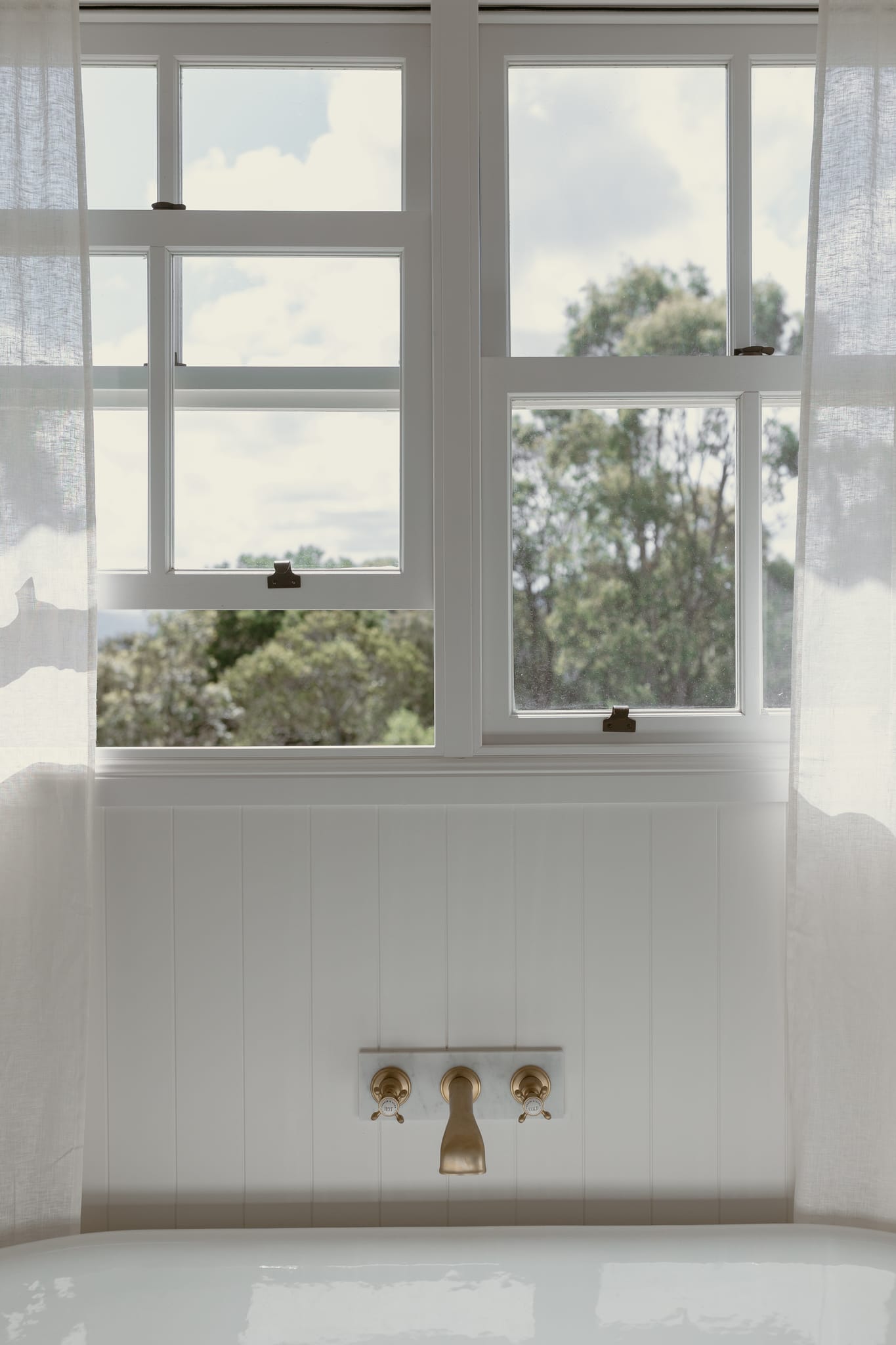
Sash Lifts
Used to lift the sash. Two are normally required per window.
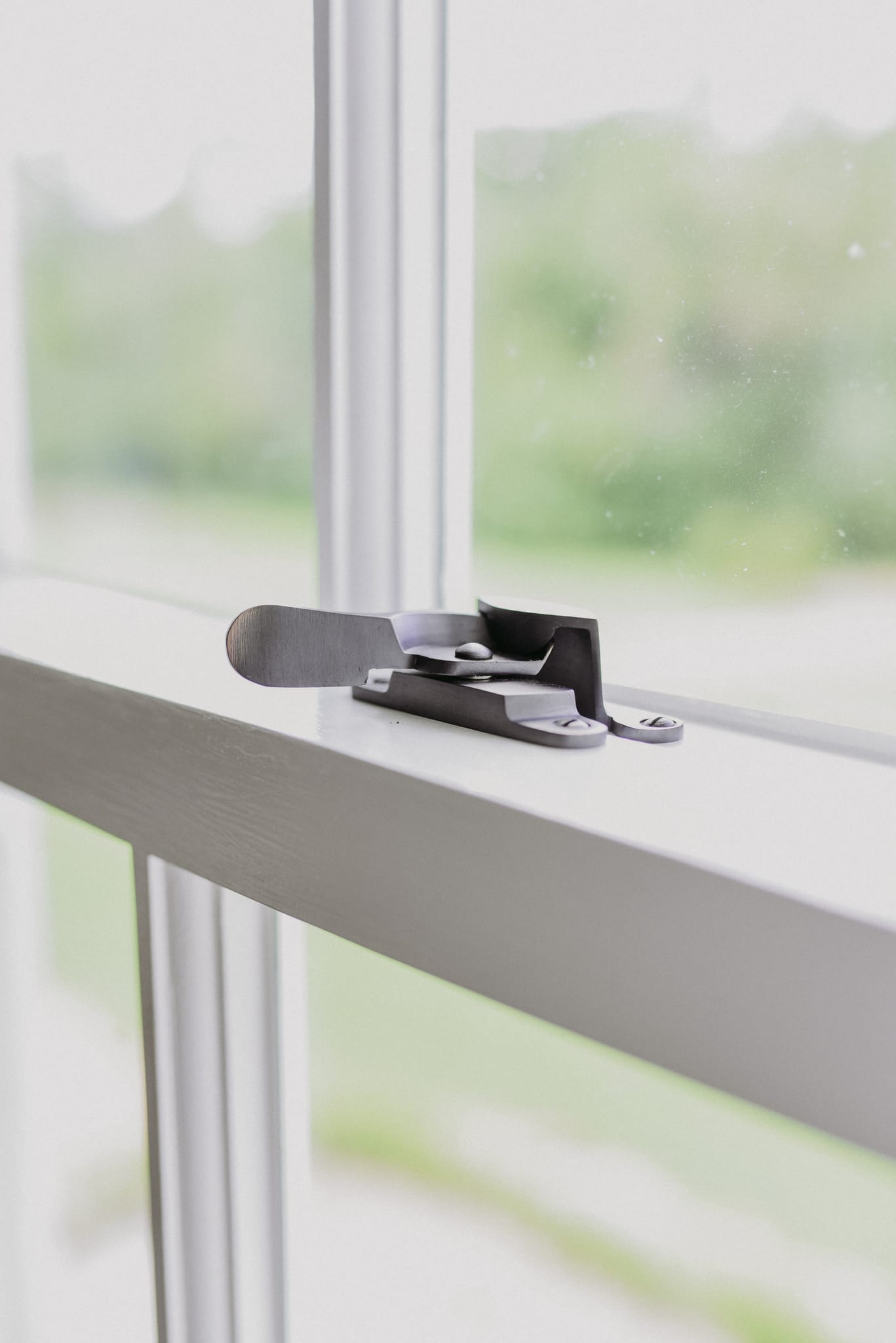
Sash Fasteners
Lock the window when it is closed.
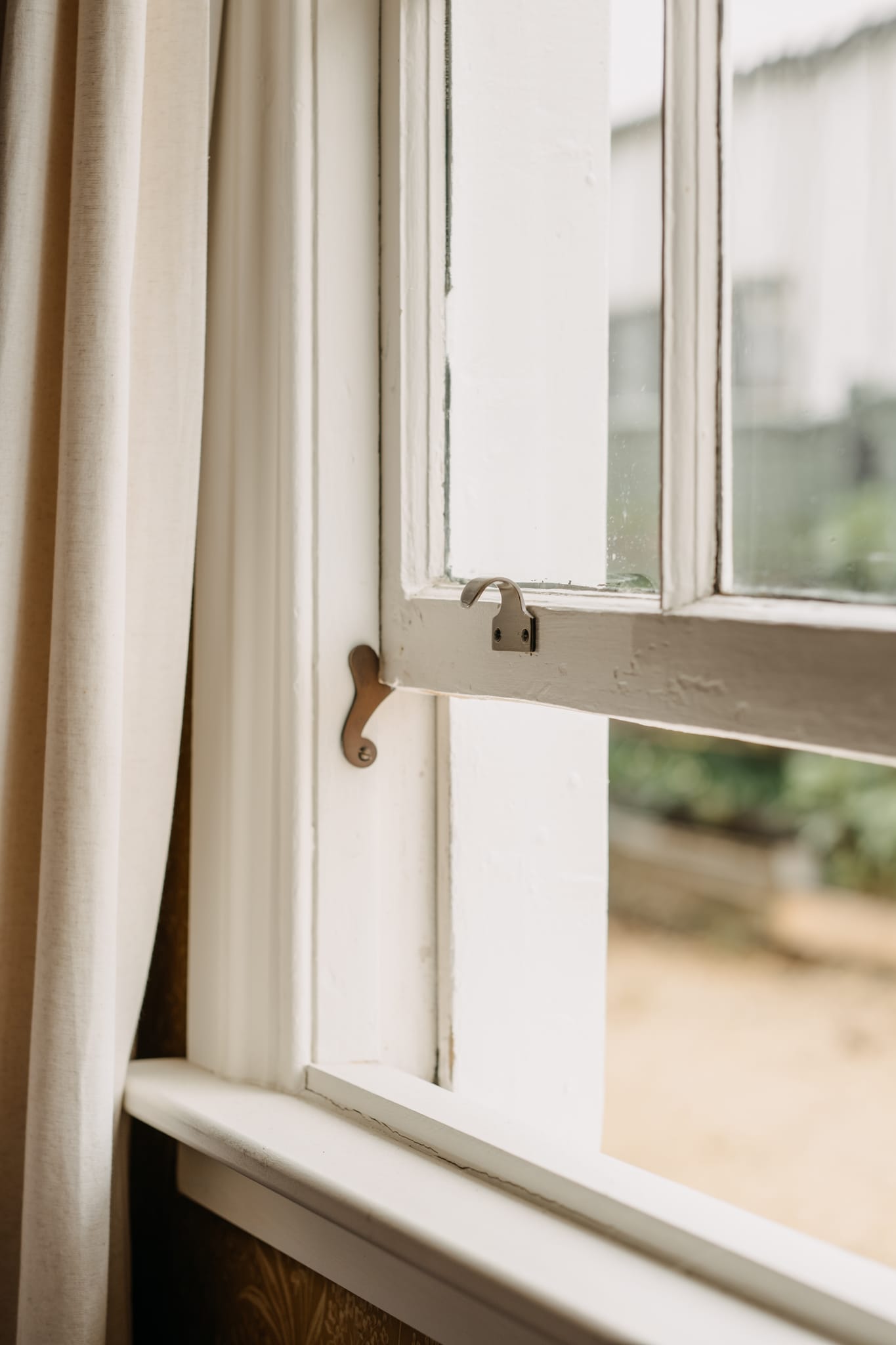
Sash Drops
Hold the window open at the desired height and swing freely when not in use.
Casement Window Hardware
Casement windows need something to hold them open and something to fasten them shut. There are several ways to do this.
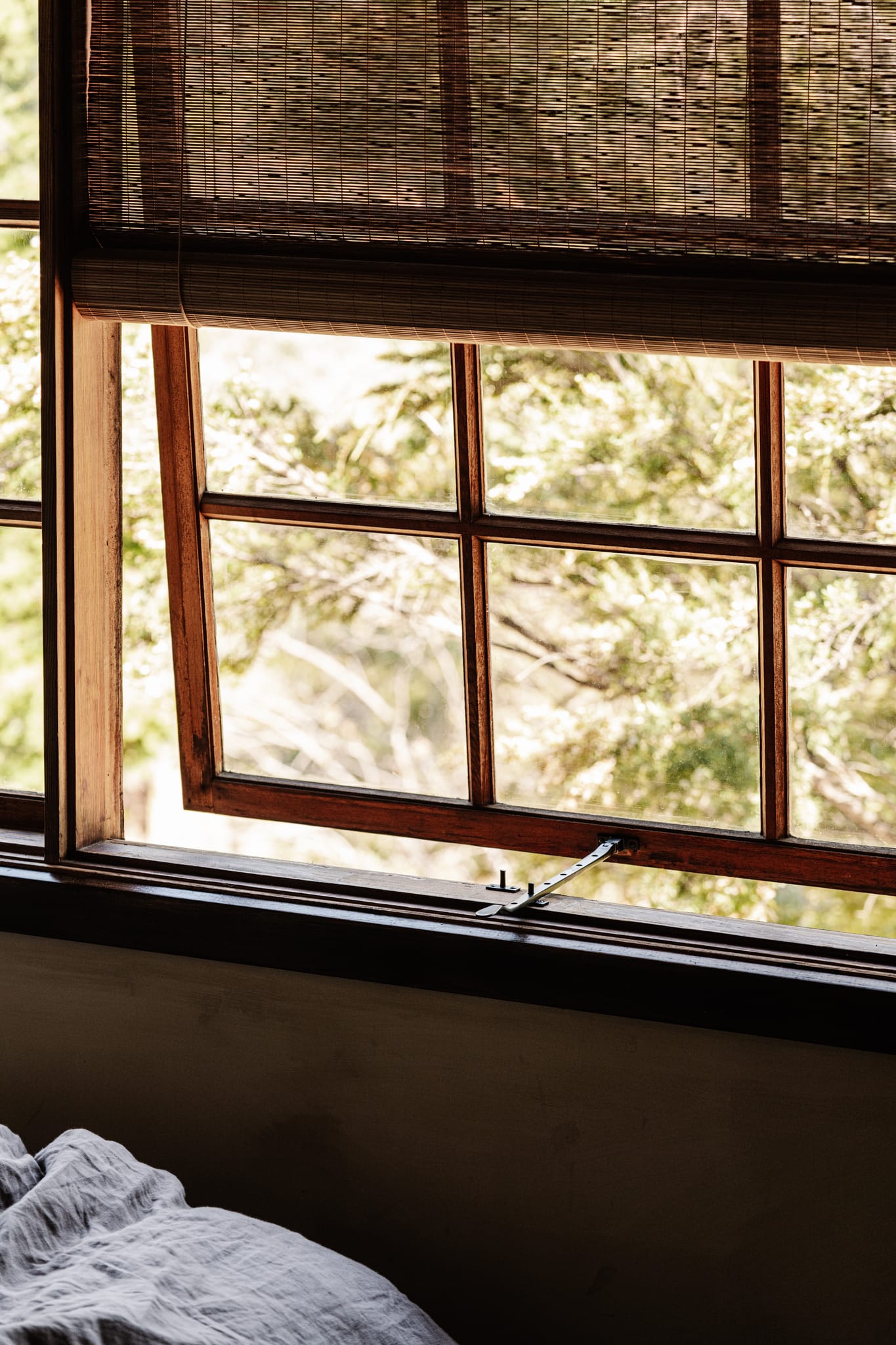
Base Fix Casement Stays
Hold the window open. The arm attaches to the window frame and pins to the sill. To open, lift the arm and push the window out. Holes along the stay let you hold the window open at different positions using the pins on the sill.
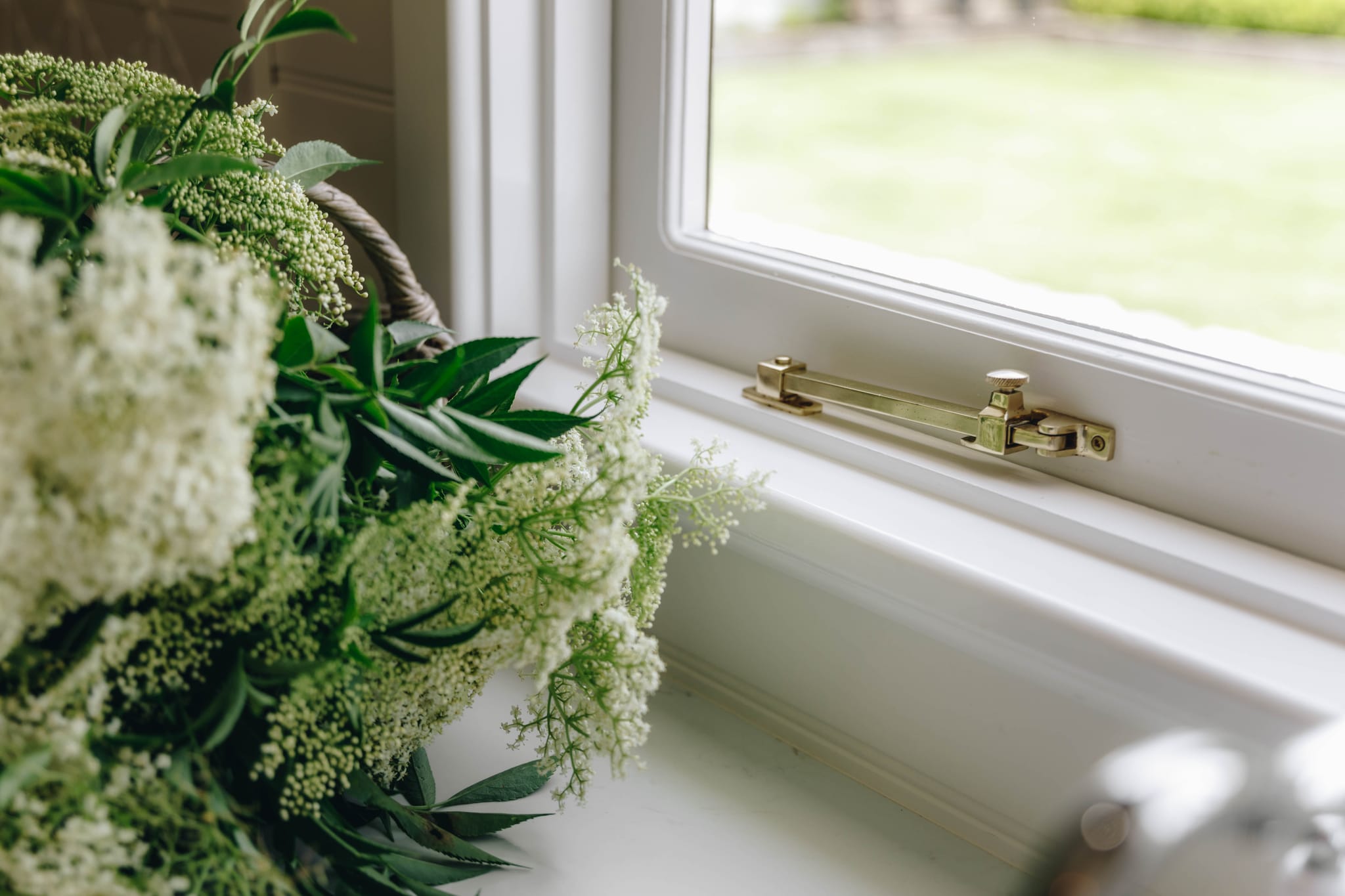
Base Fix Telescopic Casement Stays
Attach to the window and the sill. Release the knob, push the window out to the desired opening, then engage the knob or key to hold it open at varying intervals. A key-lockable version is also available.
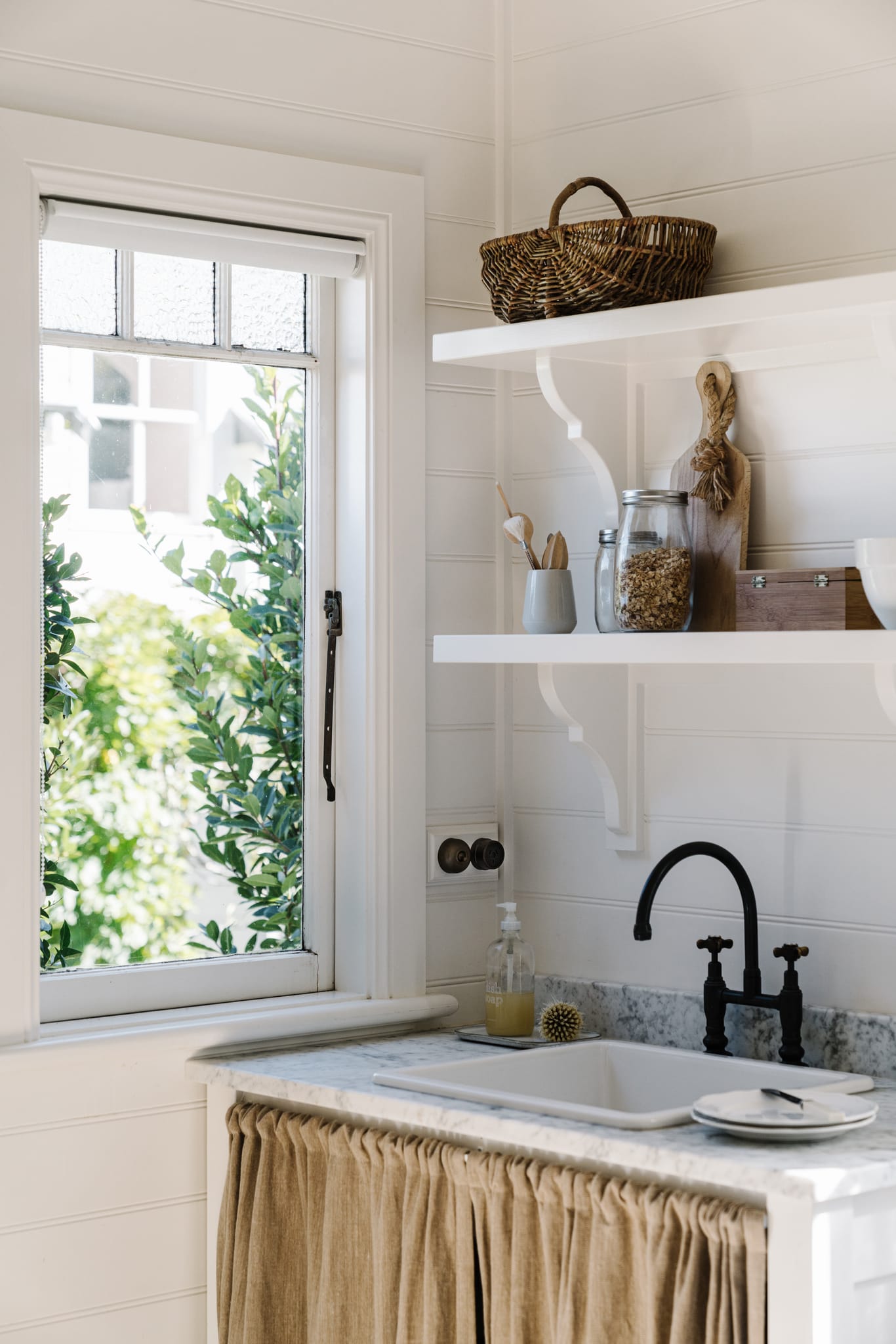
Sidemount Casement Stays
Installed on the side of the window and frame. They hold the window open in various positions and hold it closed with the arm sitting in a keeper on the frame, removing the need for a separate casement fastener.
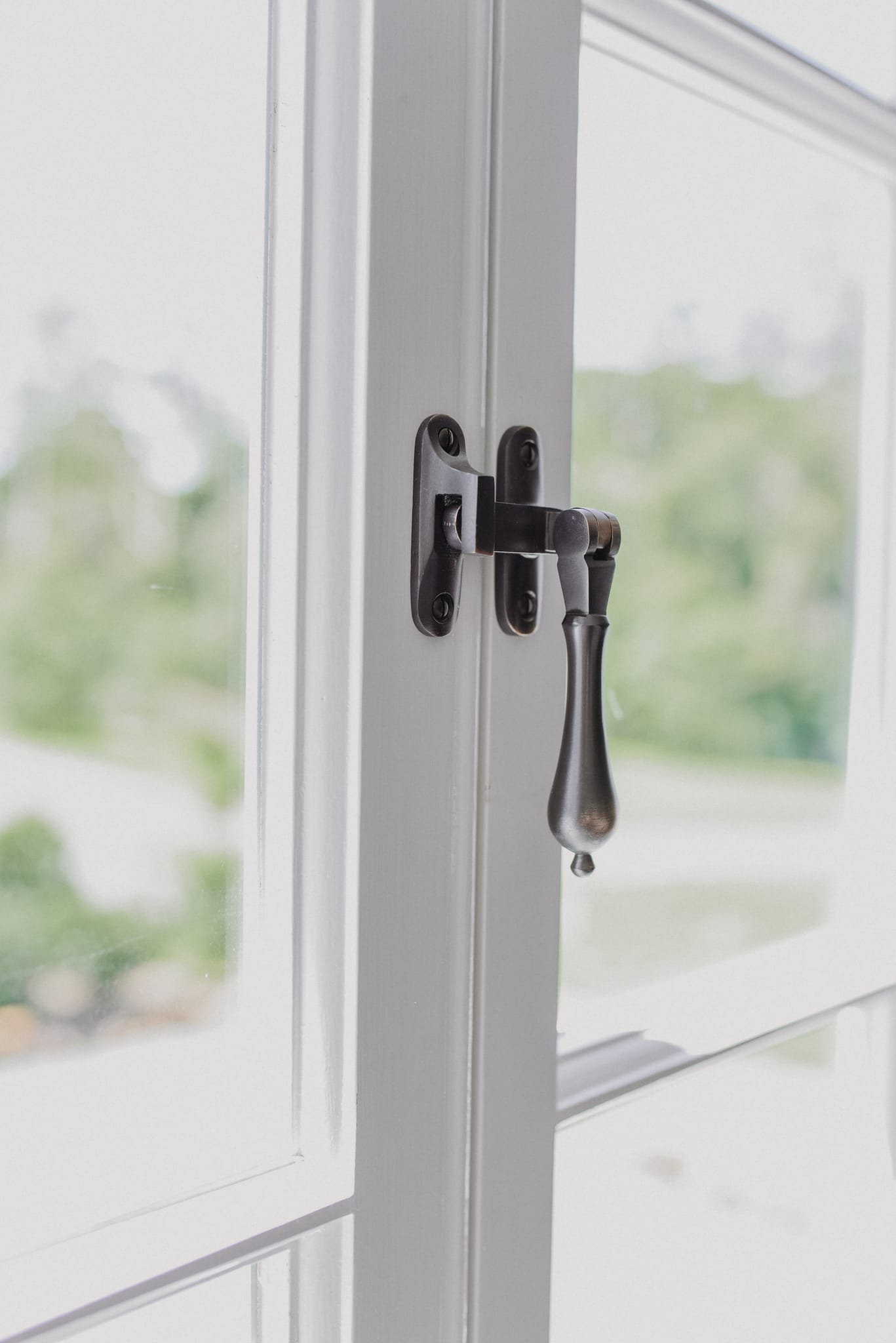
Casement Fasteners
Secure the window when closed. Supplied with a surface-mounted keeper for double windows and a flat keeper for single windows. Key-lockable versions come in left and right hand, for windows hinged on the left or right. Check which way your window opens before ordering.
Fanlight Window Hardware
Fanlight windows sit above a door. They can be hinged at the top, bottom or middle, and open in or out, which is why there are two approaches to operating them.
A fanlight window operator is a complete opening and closing solution. Worked by hand from below, it suits fanlights hinged at the top, middle or bottom, opening inwards or outwards.
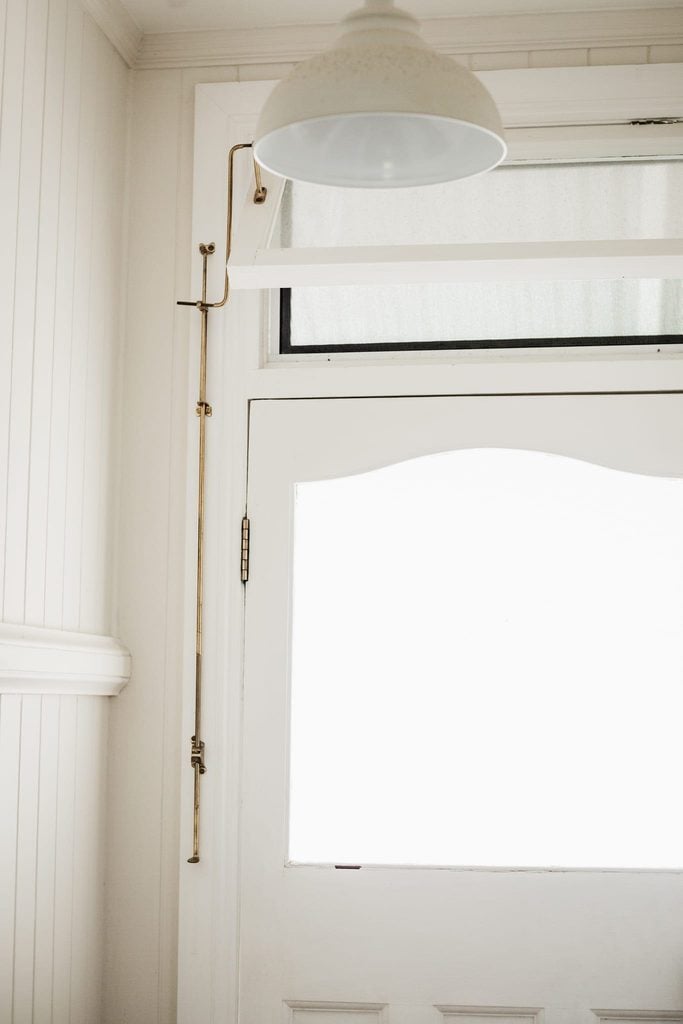
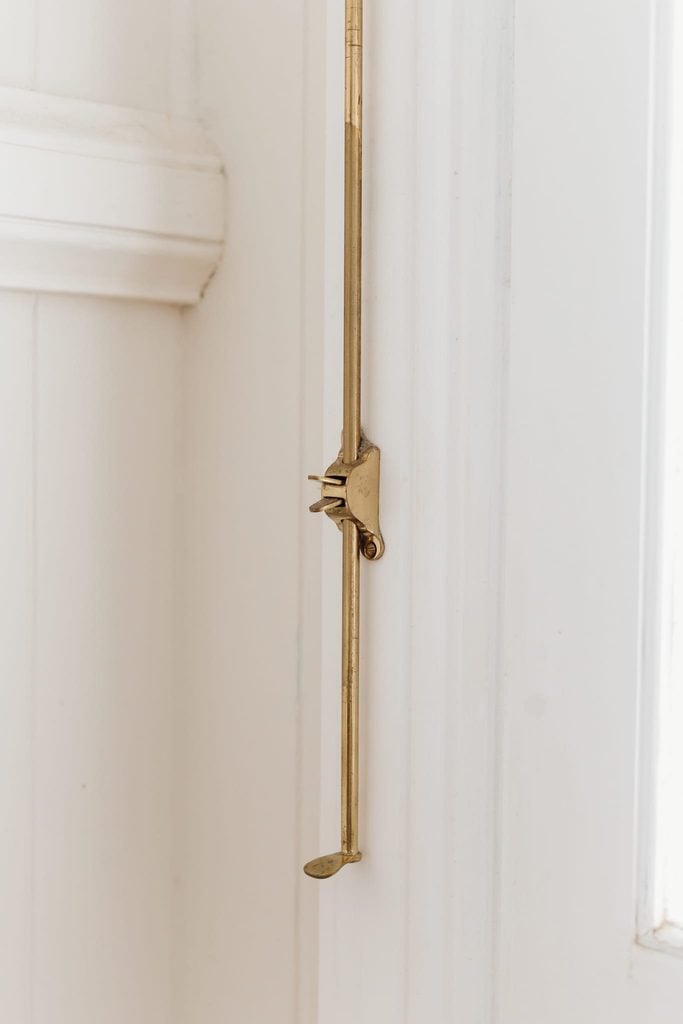
Fanlight Catch System
Four products work together as a complete operating system.
- Fanlight Catch: for fanlights hinged at the bottom and opening inwards, fitted at the top of the window.
- Fanlight Swivels: two are required, one for each side of the window. They allow the window to pivot, much like a hinge on a door.
- Fanlight Stops: two are required, one for each side. Used with a fanlight catch, they limit how far the window opens.
- Pole Hook: attaches to the end of a broomstick so you can reach up and open the fanlight catch.
Explore Fanlight Window Fittings.
Awning and Hopper Window Hardware
Awning windows open outwards and hopper windows open inwards, and each has its own fittings.
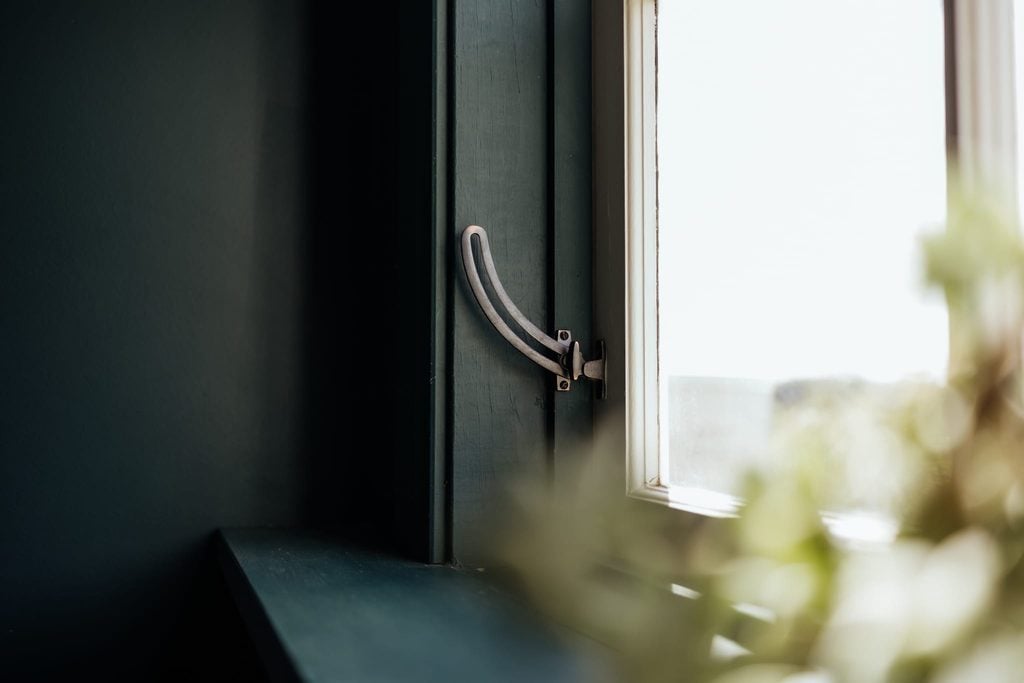
Quadrant Stays
Normally used on outward-opening awning windows hinged at the top, and hold the window open.
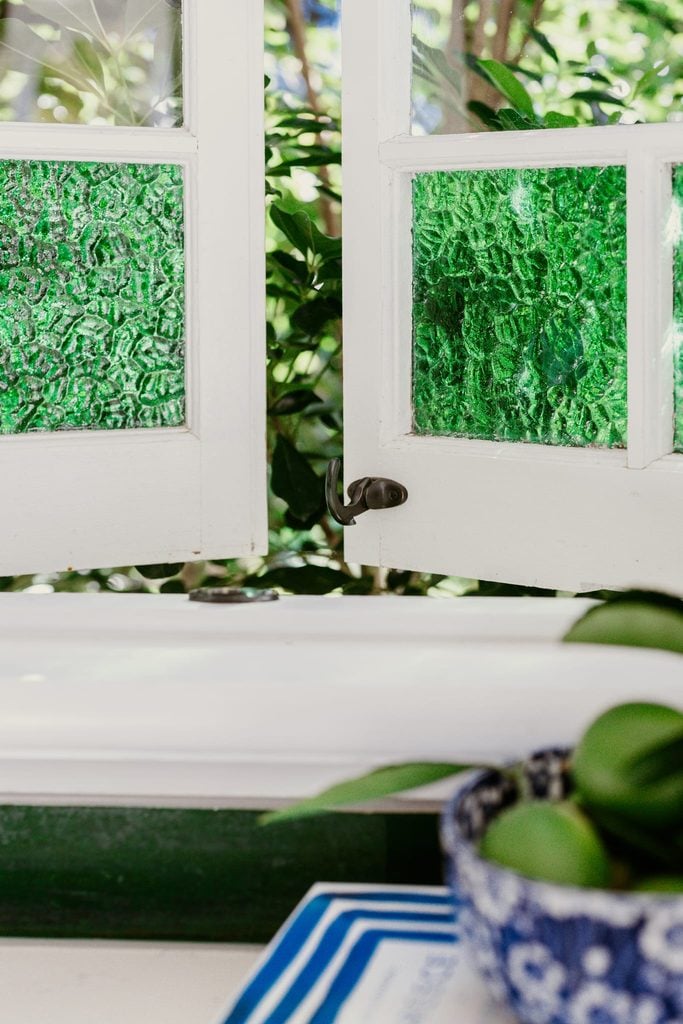
Spur Catches
Used on outward-opening awning windows, and can be paired with a quadrant stay.
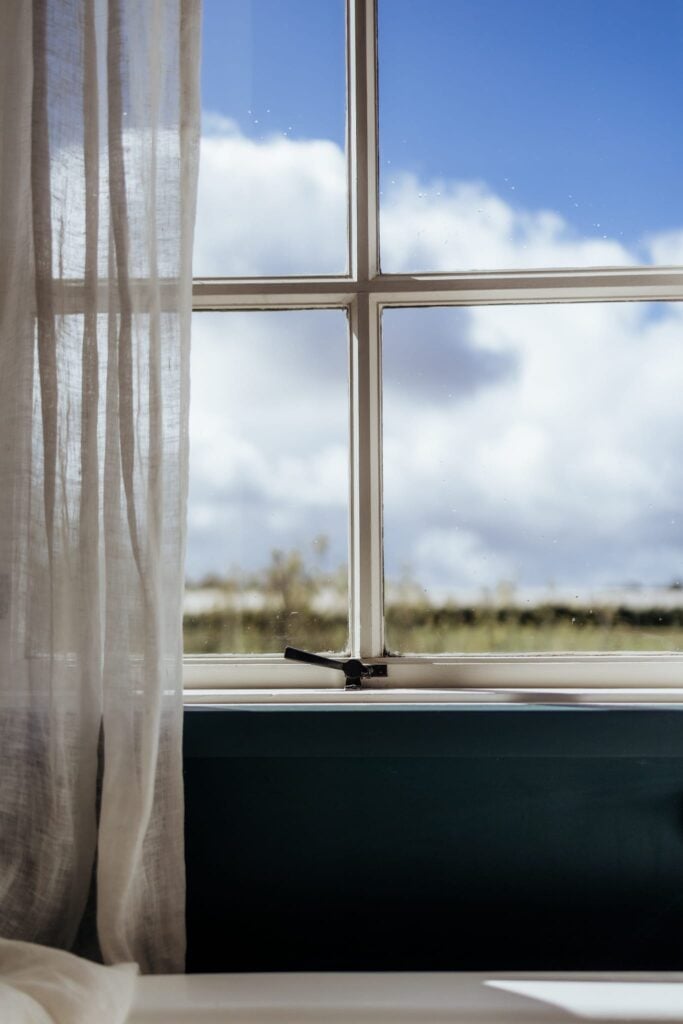
Wedge Fasteners
Secure outward-opening awning windows when closed, as an alternative to a spur catch or hopper window catch.
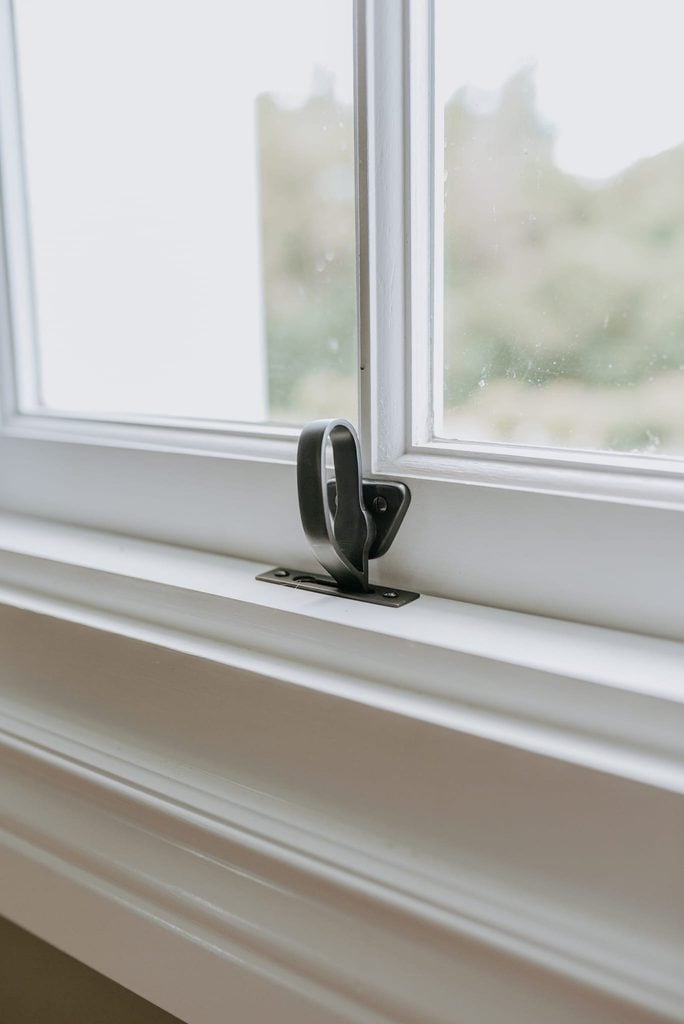
Hopper Window Catches
Used on inward-opening hopper windows. Each is supplied with both a flat and a surface-mounted keeper: the flat keeper suits a single window and sits on the frame, while the surface-mounted keeper is for hopper windows that sit flush with the frame.
Step Four: Choose a Period-Appropriate Finish
TradCo window fittings are available in a wide range of finishes, so the choice can follow your home rather than the other way around. A few principles from the era series help narrow it down.
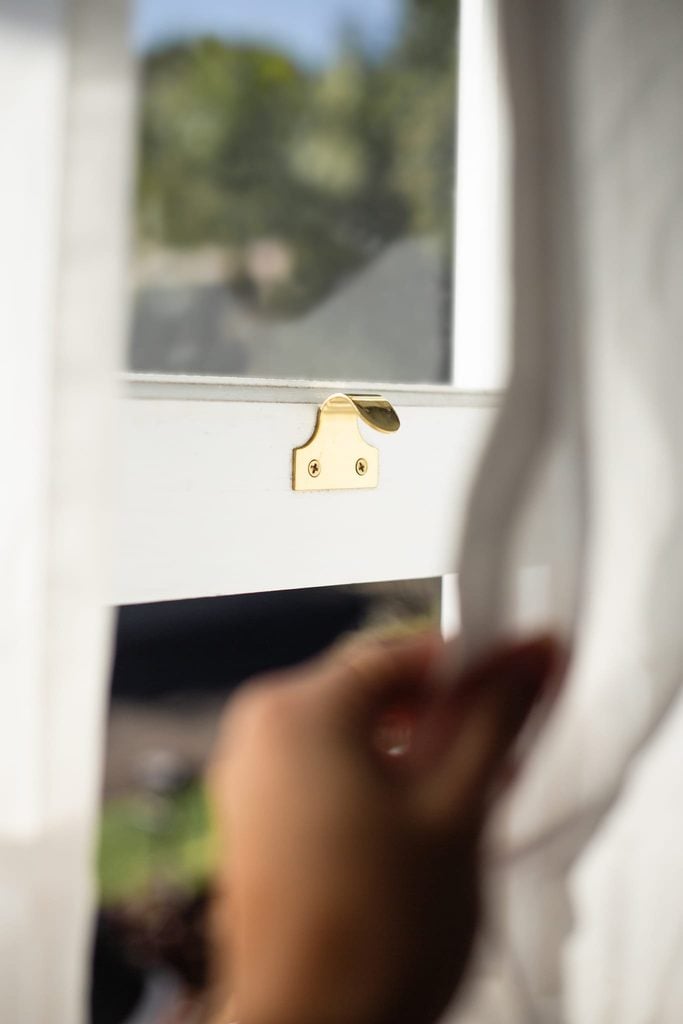
Polished Brass
Polished Brass has a long history on heritage windows. In Worker’s Cottages, sash lifts and casement fasteners were often made from brass, and a polished finish remains a faithful choice for a period-accurate restoration.
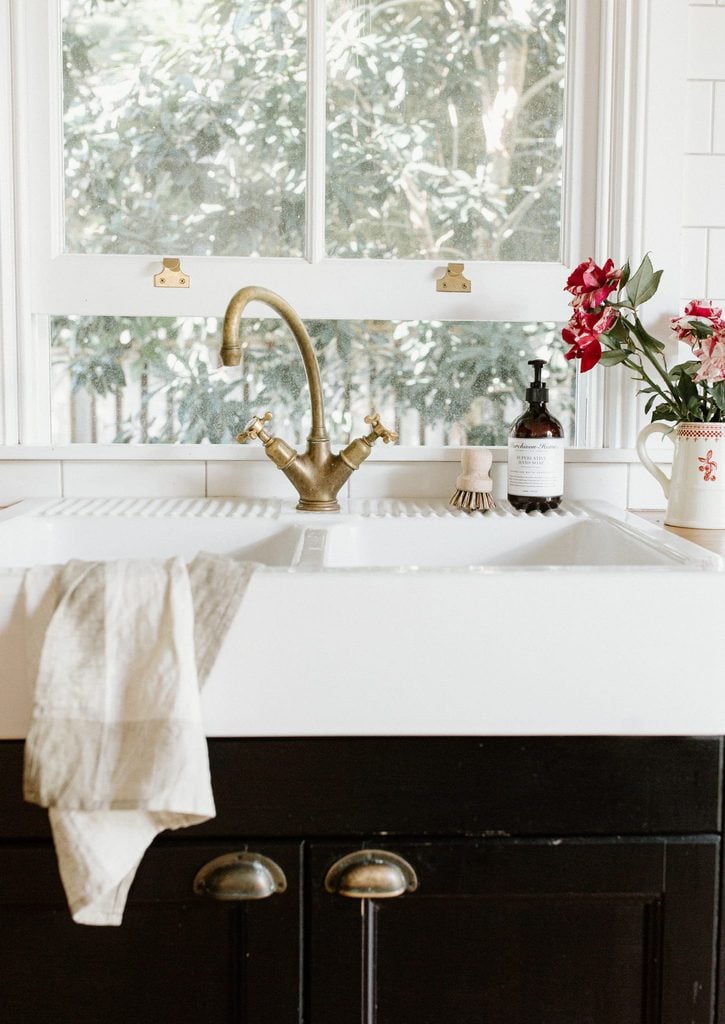
Unlacquered Polished Brass
The ideal finish for casement fasteners in a Queenslander restoration. Left unsealed, it develops a natural patina over time.
Read more in Why Unlacquered Brass is a Finish That’s Impossible to Forget.
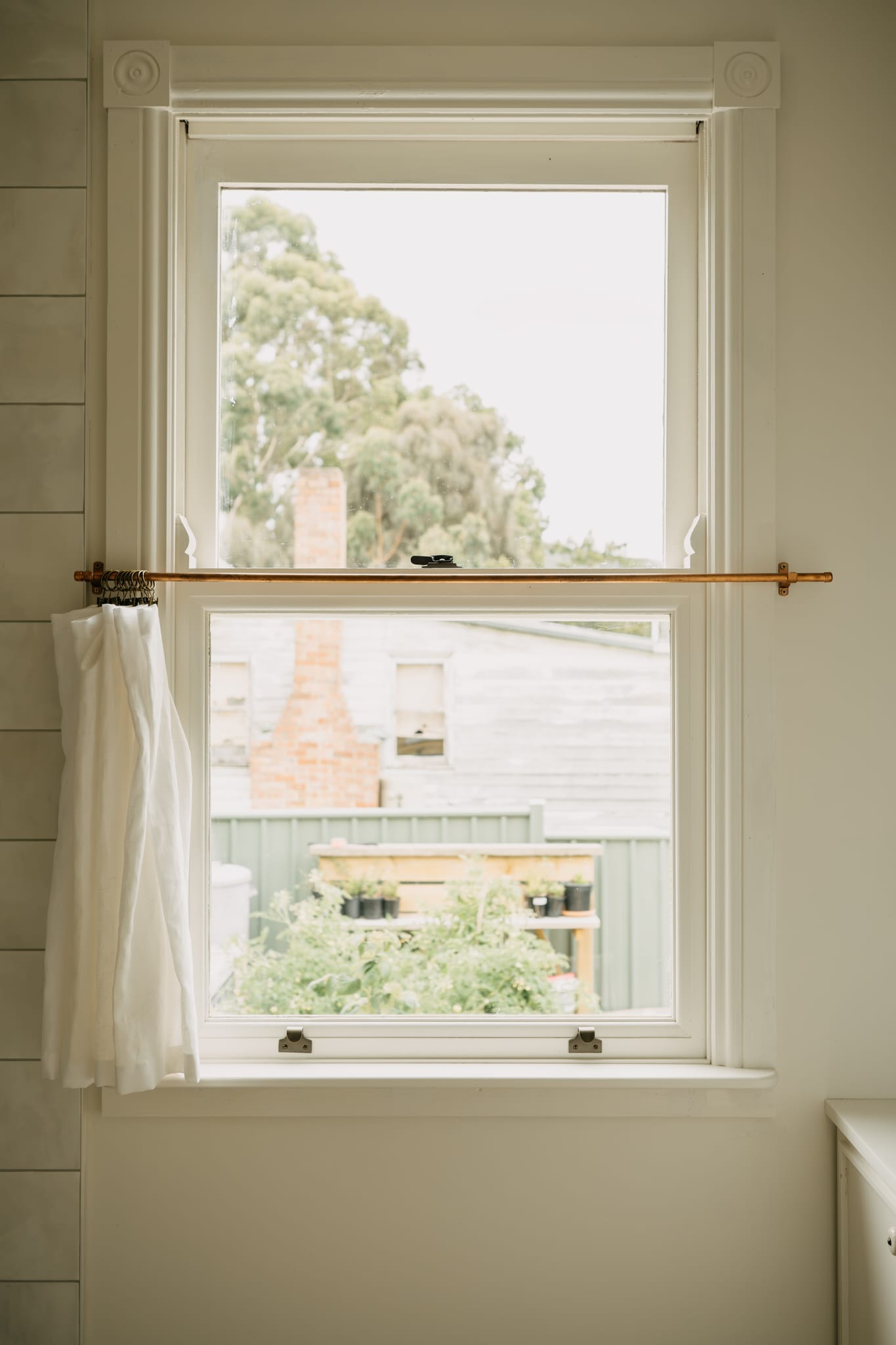
Antique Brass
Hand-aged to carry the depth and character of brass that has been in place for generations. Antique Brass suits heritage homes where new fittings should sit comfortably alongside original joinery.
For more small details that make a restoration feel complete, read The Finishing Details: Period Hardware You Didn’t Know You Needed, or explore the full range of TradCo window fittings.
Frequently Asked Questions
What hardware does a sash window need?
A sash window typically needs sash lifts to raise the sash, a sash fastener to lock it when closed, sash drops to hold it open at the desired height, and sash window pulleys where counterweights are present. Two sash lifts are normally required per window.
How does a casement stay work?
A base fix casement stay attaches to the window frame and pins to the sill. You lift the arm, push the window out, and drop one of the holes along the stay onto the sill pin to hold the window open at that position.
Do I need a casement fastener if I have a sidemount stay?
No. A sidemount casement stay holds the window open in various positions and holds it closed with its arm in a keeper on the frame, which removes the need for a separate casement fastener.
How do you open a fanlight window above a door?
A fanlight window operator opens and closes the fanlight by hand from below, and works on fanlights hinged at the top, middle or bottom, opening inwards or outwards. Alternatively, a fanlight catch, swivels and stops can be opened using a pole hook fitted to the end of a broomstick.
What windows did Queenslanders have?
Queenslanders traditionally had casement windows rather than sash windows, though double-hung sash windows feature in some homes.
What windows do Federation homes have?
Federation and Edwardian homes feature bay windows, casement-style windows and double-hung sashes. Fanlights above doors are also common, and were originally made to open.
What is the difference between an awning and a hopper window?
An awning window opens outwards and is usually held open with a quadrant stay, sometimes paired with a spur catch. A hopper window opens inwards and is secured with a hopper window catch.