
A Journey Through Australian Architectural Styles: Mid-Century (1945-1970)
03 June 2026TradCo respects the history embedded in every home and is passionate about restoring buildings to their former glory. Understanding your home’s architectural style is key to preserving its character. This series explores the evolution of Australian architecture, helping you appreciate your home’s unique history and design, and how TradCo can assist in restoring it to its original beauty.
In the wake of World War Two, Australia faced a housing crisis; soldiers were returning home and Europeans were seeking a new life elsewhere, escaping postwar Europe. Australia was seen by white Europeans as a bright new world, beaming with positivity and potential: a place looking to the future.
In order to house everyone, and in a style befitting this newly federated nation, a form of architecture emerged which rejected the high decoration of previous, European-bent styles, and led by architects like Harry Seidler and Robin Boyd, sought to favour the merits of modern Australian living, like spending time outdoors, and having houses focus on keeping themselves cool rather than retaining heat, this was not rainy England, after all.
The Mid-Century home materialised: buildings that were light and bright and intrinsically comfortable. Australian architecture was finally, truly coming into its own.
Defining Features of Mid-Century Homes
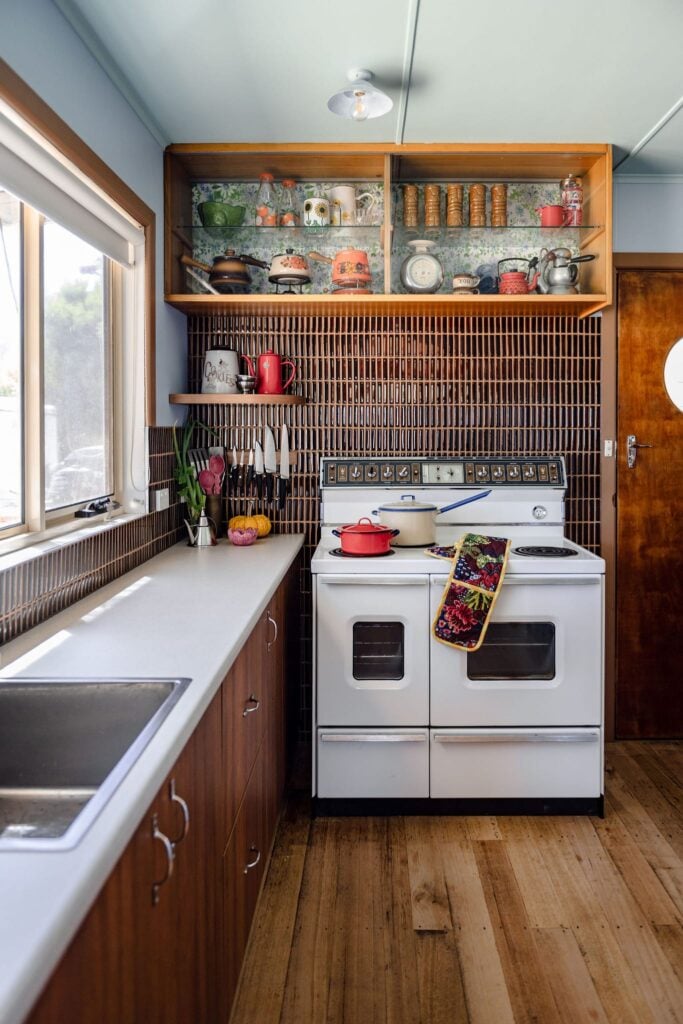
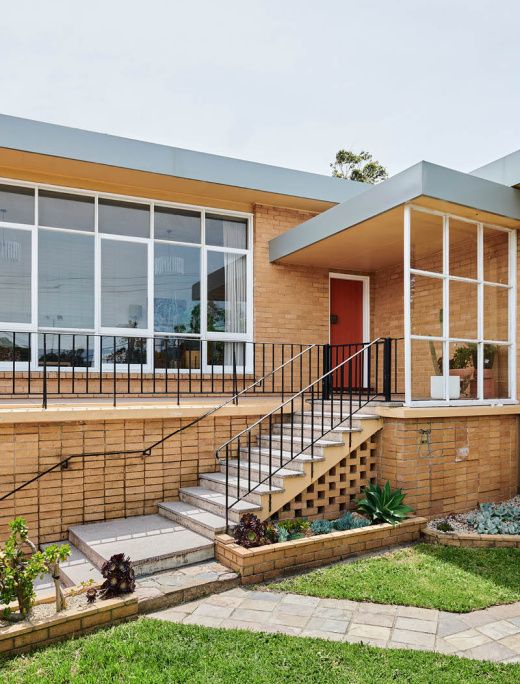
Whilst Australian architecture had been moving in this direction for a while, nothing marked a more abrupt change in the architectural landscape than the Mid-Century home. Hallmarks of the style include:
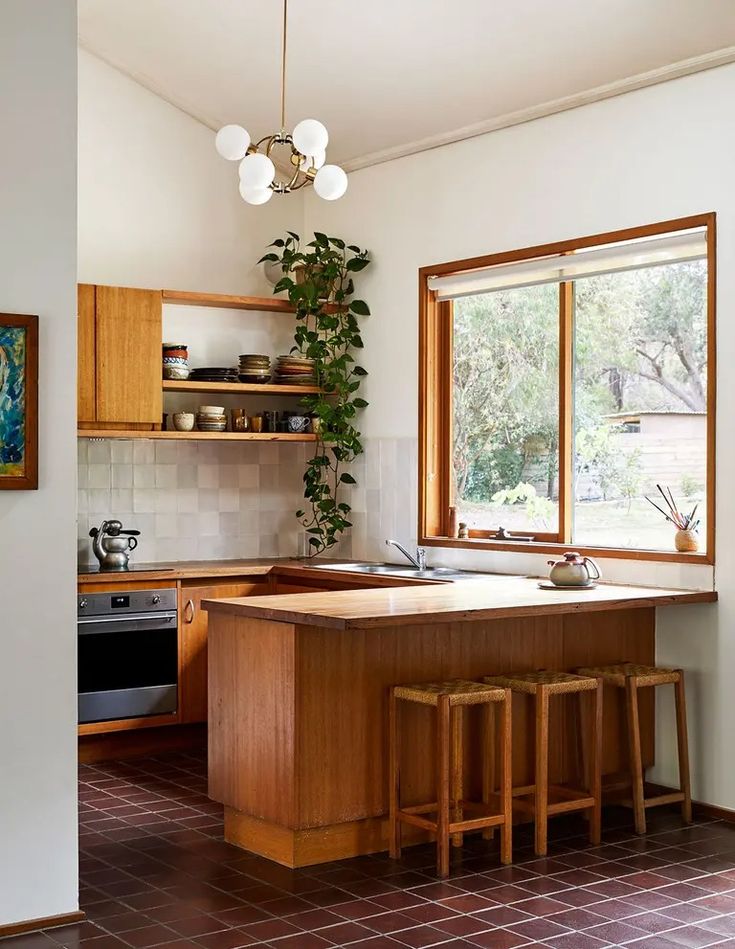
- Glass, glass everywhere. This is probably the most prominent feature of the Mid-Century home. Glass meant modernity and the capturing of light, linking the interior to the pleasures of the outdoors.
- Inspired by Europe’s Bauhaus movement, low-pitched roofs became increasingly popular, giving the impression of a flat roof from the street: itself an oppositional force against the traditional pitched roofs of yore.
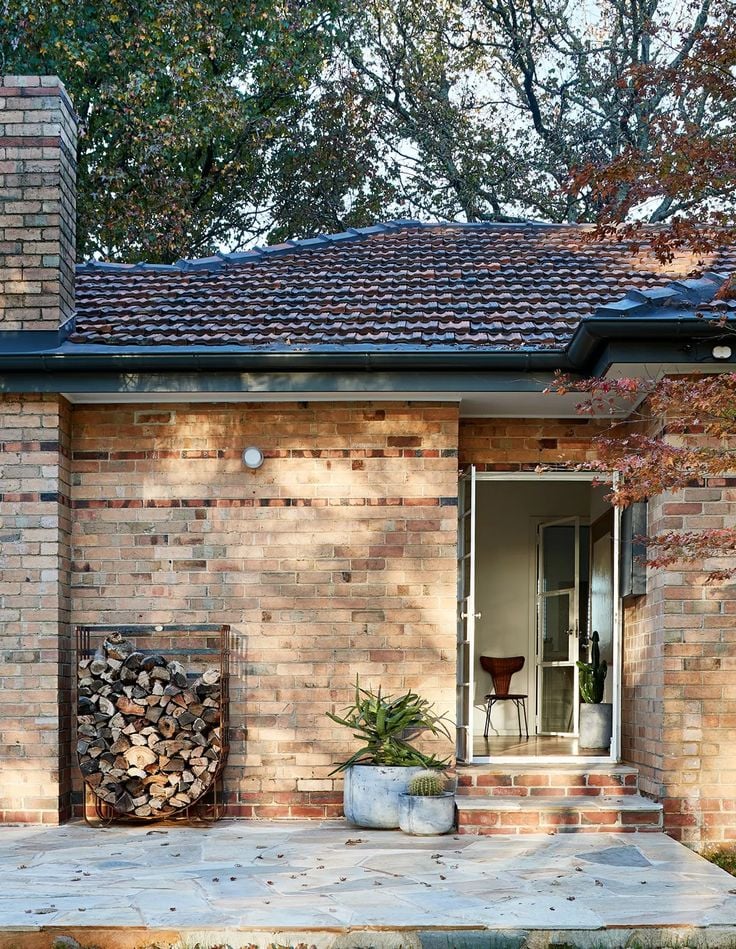
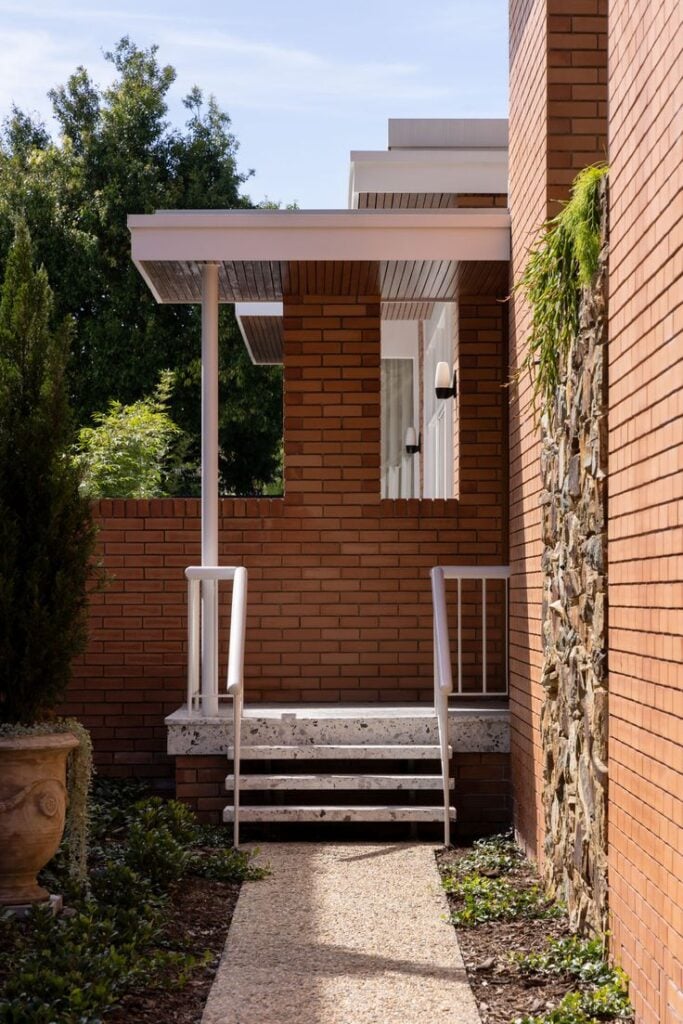
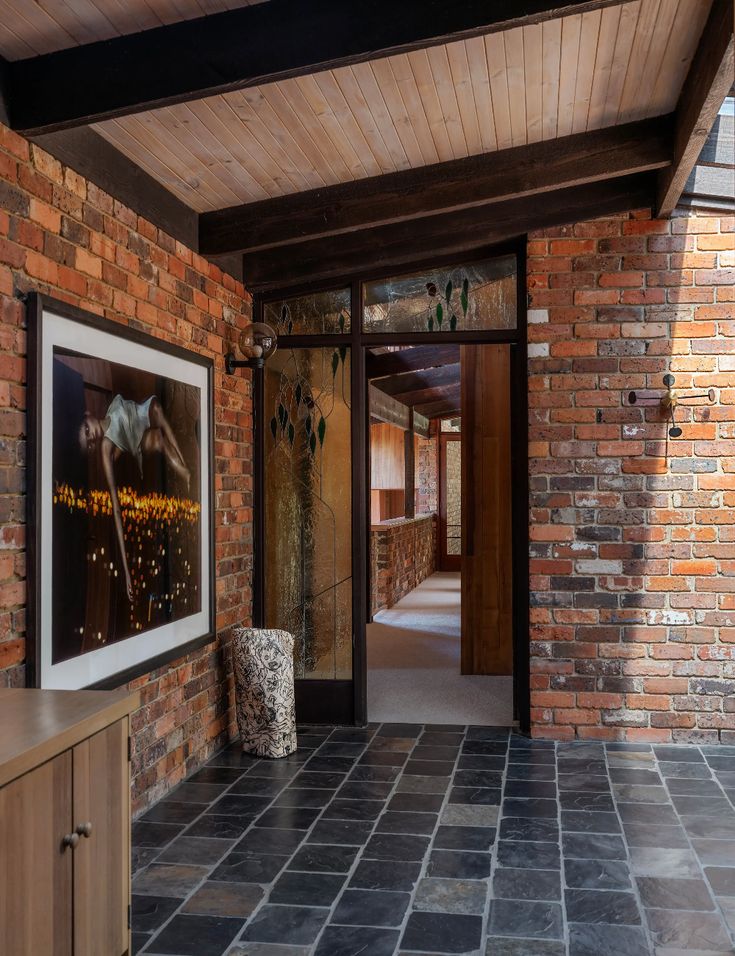
- Exposed brickwork, both inside and out, were key to the Mid-Century aesthetic.
- Steel and aluminium window frames made for slimmer outlines than timber could offer.
- Concrete, in all of its innovative robustness, was used extensively.
These materials brought practicality and restrained beauty to both urban and rural settings, and have created an architectural landscape that has lasted the test of time.
Restoring Mid-Century Homes with Heritage Hardware
Applying the word ‘restoration’ to a Mid-Century home feels odd, if only because these buildings still feel so contemporary. But, in fact, some of these buildings are over 80 years old, and so care and consideration need to be paid in order to keep their inherent heritage intact—starting with materials.
Selecting the Right Finishes
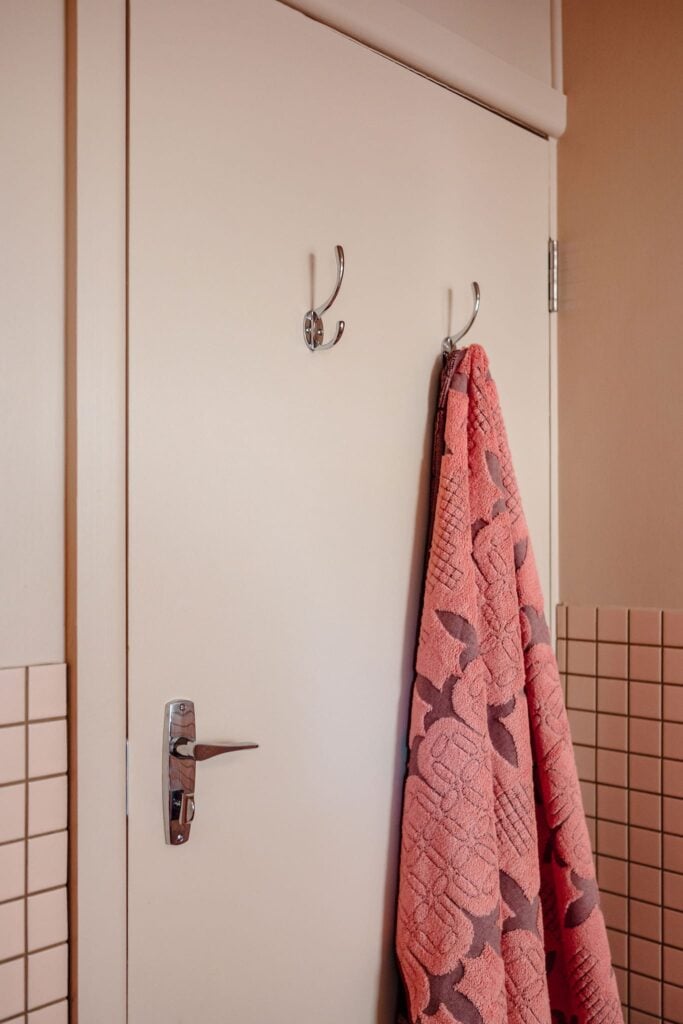
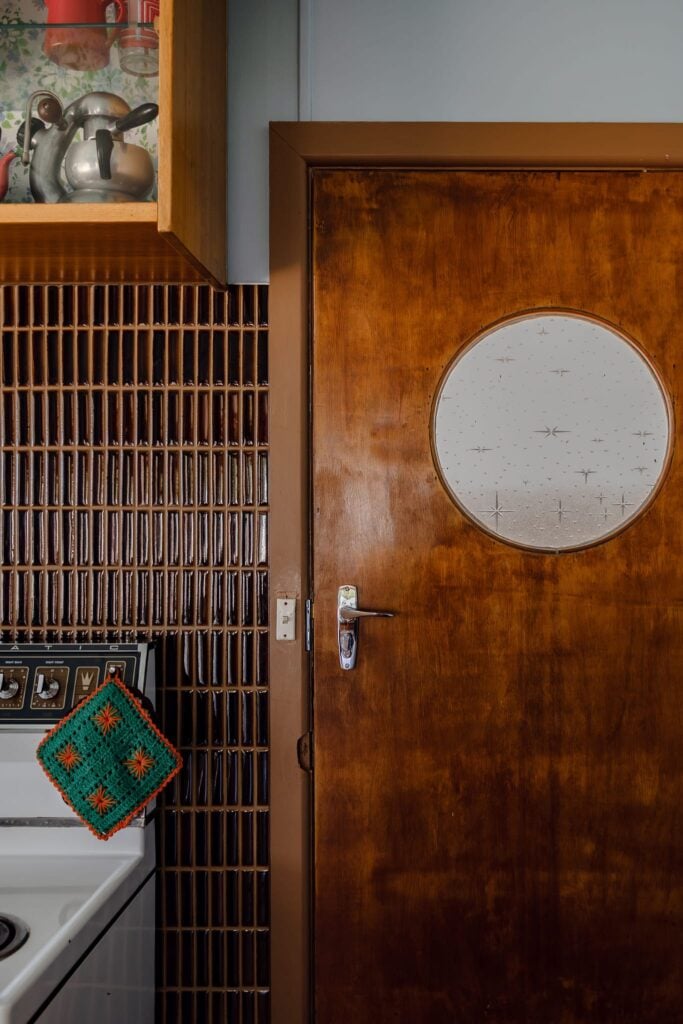
Being sensitive to the original materials of Mid-Century buildings will result in a truer, more holistic finish in your renovation. When it comes to Mid-Century hardware, here’s where to focus your attention:
- Steel: Shiny, glossy, modern metal was the way of Mid-Century design.
- Chrome: It’s all about that shine.
- Lacquered Brass: If the silvery gloss of steel and chrome don’t feel right, then lacquered brass can be used in a pinch. It was sometimes used in houses of this period, making it not inauthentic; it just wasn’t as popular as other, cooler metallic choices.
Heritage Hardware for a Mid-Century Home Restoration
Honouring the history of this architecture is part of the role of being custodian to these extraordinary buildings: here are some ways in which to do just that.
Rectilinear Door Levers
There are a few ways to go with Mid-Century door handles in a Mid-Century heritage home. One is to go down the pared-back route, adopting the period’s penchant for minimal, linear form. Something like TradCo’s Balmoral Lever on Long Backplate, either Chrome-Plated or in Satin Chrome, would fit the bill.
Explore Door Levers
Subtle Contouring
And then there is the more audacious approach to Mid-Century design language, which many designers of the era preferred. In that case, TradCo’s Solid Brass, Chrome-Plated Mid-Century Lever on Long Backplate, with a shape that merely hints at curvature, is a faithful choice.
Explore Door Levers
Chrome Doorknobs
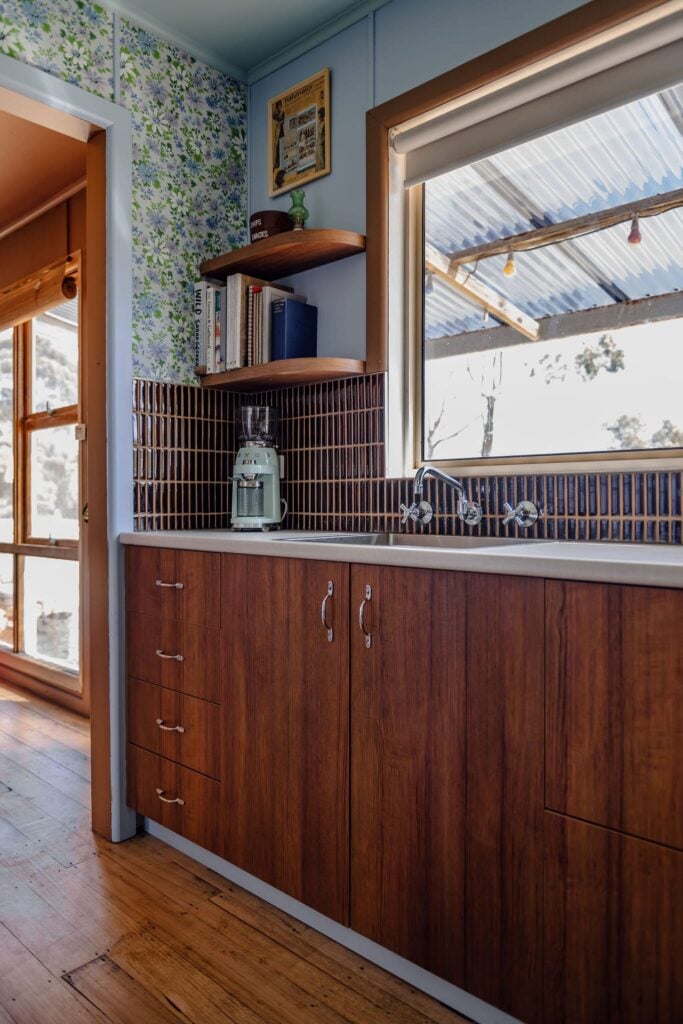
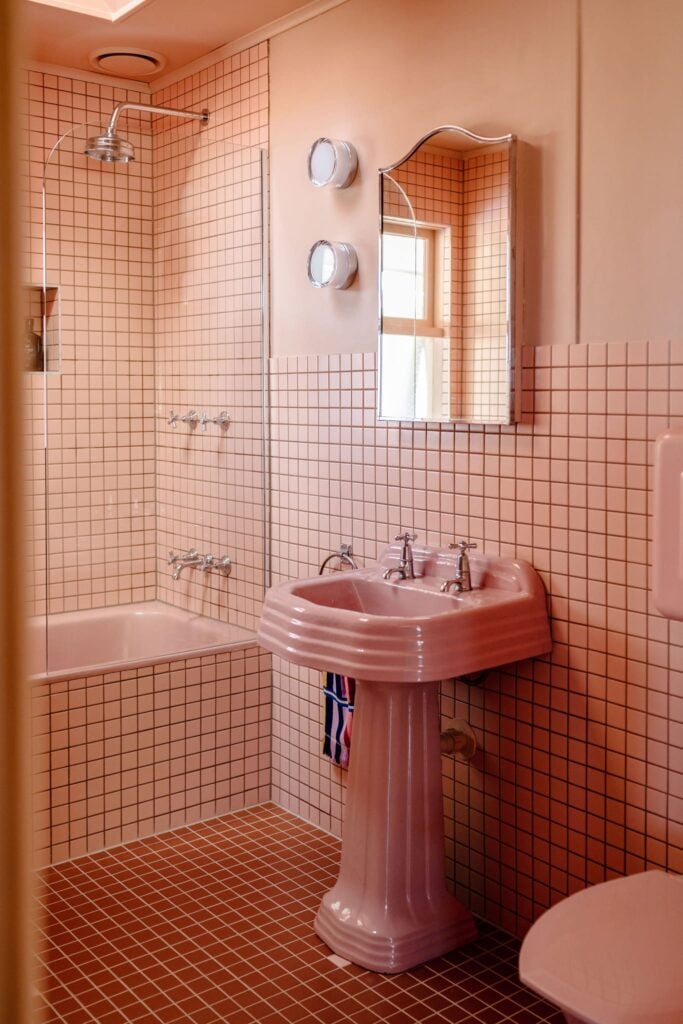
TradCo’s Retro Fit Mortice Knob on Round Rose does a beautiful job of emulating the pared-back dialogue of Mid-Century design, with the tactility that doorknobs, with their satisfying turn, offer. Its Satin Chrome finish makes a statement of modernity, while its more traditional shape keeps the heritage aspect of your home in front of mind.
Explore Doorknobs
Long Backplates
For homes that were built early on in the Mid-Century style, going a tad more traditional might work best. Step forward, Milton Knob on Long Backplate. Its Antique Copper finish works in most homes which date from the first half of the twentieth century. Try the gloss-led, Lacquered Brass option for a warm tonality, or if it doubt, the Chrome Plated version will work pretty seamlessly in most Mid-Century buildings.
Explore Long Backplates
Bringing History Home
Australia’s huge adoption of Mid-Century architecture makes it one of the best countries in the world to experience the style. Throughout the suburbs, especially in Sydney and Melbourne, Mid-Century homes can be discovered, nurtured and enjoyed for their open spaces, connection to the outdoors and simplified, elegant facades. Inside, restorers keen to be faithful to the original intentions of the architect employ small details like retro-style hardware and vintage-style door levers, and is so doing, they show respect to these innovative creatives who designed for the masses. These houses aren’t just beautiful homes; they are historical artefacts—both precious and prolific—dotted across Australian streets. They deserve to be cherished.
Mid-Century Inspiration