
A Journey Through Australian Architectural Styles: Californian Bungalow (1915-1940)

TradCo respects the history embedded in every home and is passionate about restoring buildings to their former glory. Understanding your home’s architectural style is key to preserving its character. This series explores the evolution of Australian architecture, helping you appreciate your home’s unique history and design, and how TradCo can assist in restoring it to its original beauty.
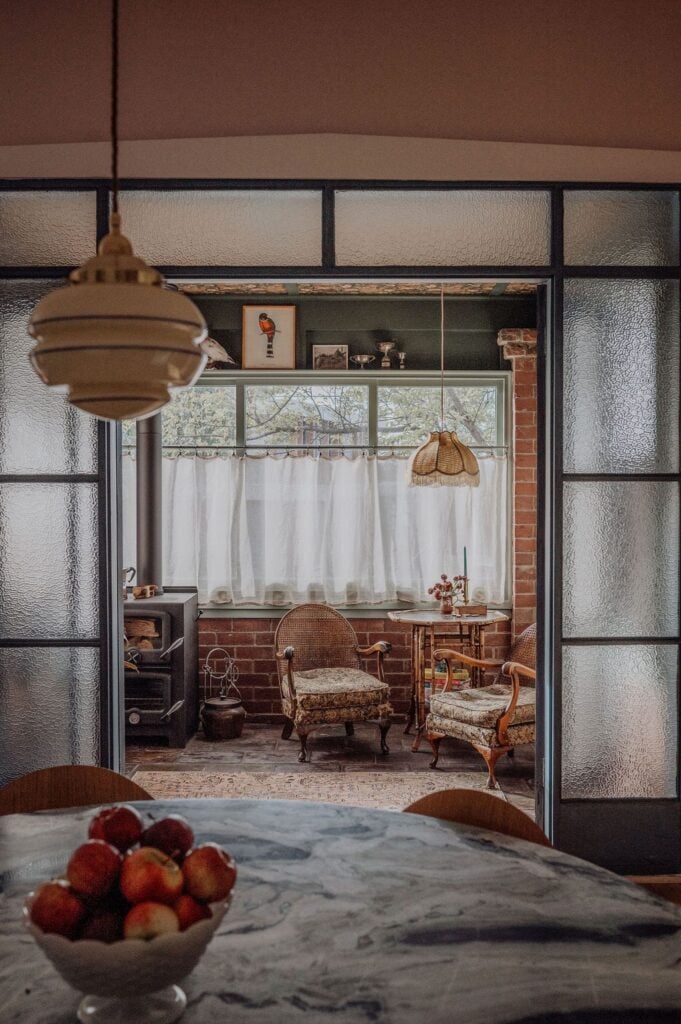
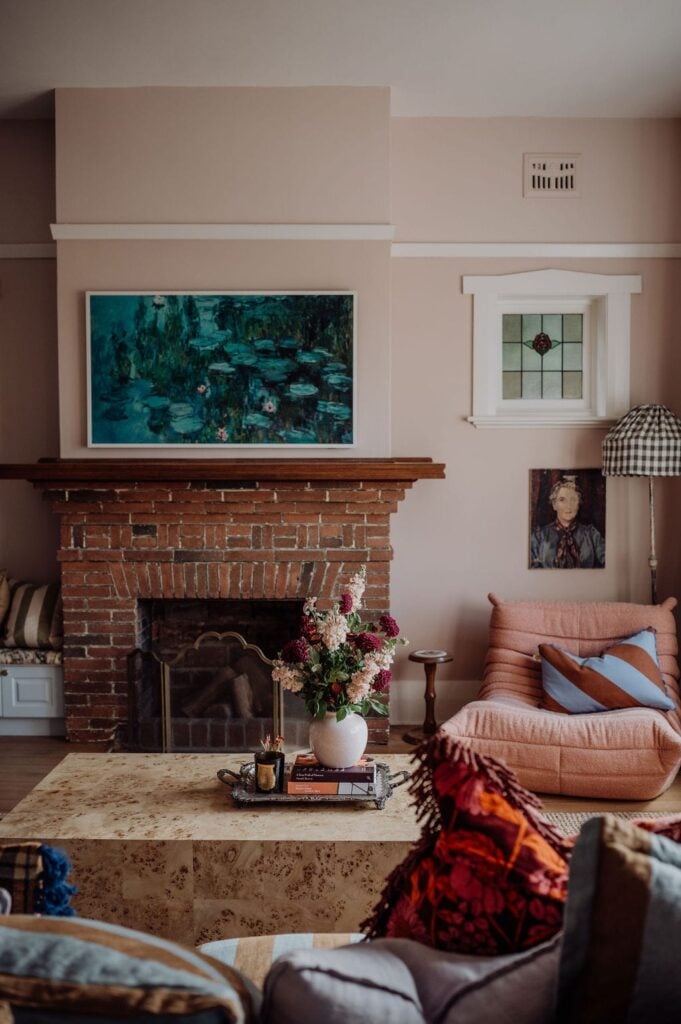
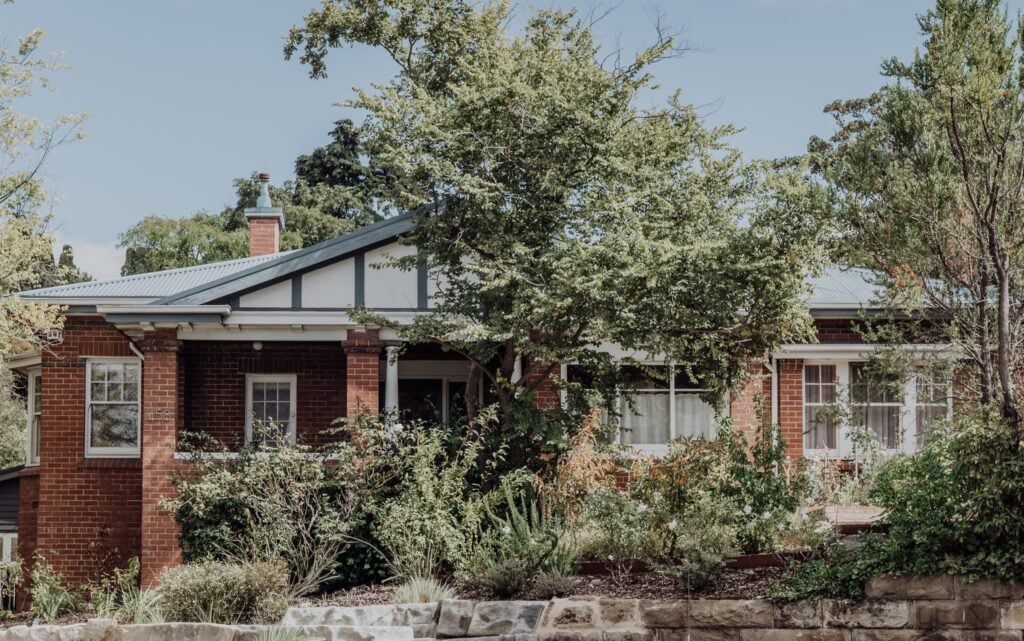
Californian bungalows populate Australian suburbia. Their simple, one-storey design made them easy to build and a delight to live in. Their gardens are generous, their ceilings high and they can be seen to be an architectural promotion of the Australian lifestyle if ever there was one, encapsulating the notion of indoor-outdoor living; and the rambunctious nature of kids racing between the two.
Built to house the rapidly increasing populations of California at the turn of the twentieth century, Californian bungalows were designed in a style that consciously went against Victorian excess, which didn’t serve the hot climate. The style would soon get exported to Australia shortly afterwards, where the weather is similar and the populations, too, were booming. Californian-style bungalows soon took hold, remaining popular in Australia throughout the first half of the 20th century. Today they remain key to the Australian suburban aesthetic.
Defining Features of Californian Bungalows
Despite sharing similarities with Federation architecture and even Queenslanders, which were being built around the same time, there are specific markers that made Californian bungalows what they are. Here are some of the key indicators:
- One level is a key facet to the Californian bungalow-style, which favours squat, horizontal design over tall, Victorian-bent architecture.
- Minimal detailing is a Californian bungalow design classic—think of this as the anti-Victoriana house.
- A low-pitched, gable roof with wide eaves is an easy way to spot a Californian bungalow.
- Californian bungalows tend to have verandahs—an unbeatable method of the age to create shady, outdoor living space for the summer months, when Australian interior temperatures tend to rocket.
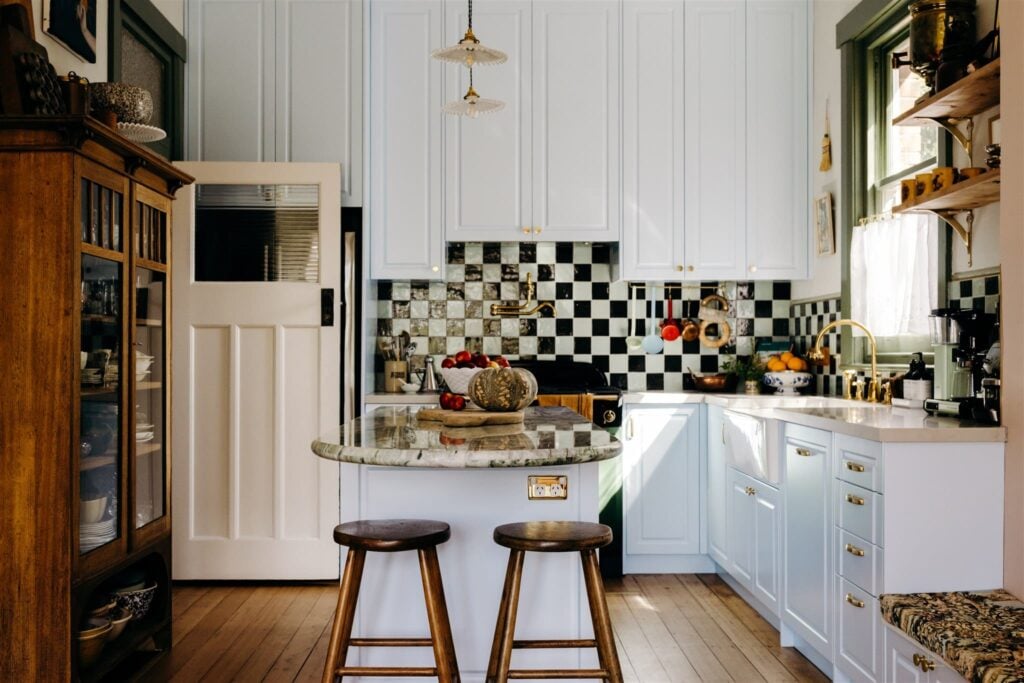
Restoring Californian Bungalows with Heritage Hardware
Californian bungalows have become so entrenched in the Australian architectural vernacular that it can be hard to see their restoration as important: they are almost too common. But as unit blocks are being put up more and more, buildings like these are becoming increasingly crucial in the maintenance of the Australian architectural landscape. Preserving their historic value is more important than ever.
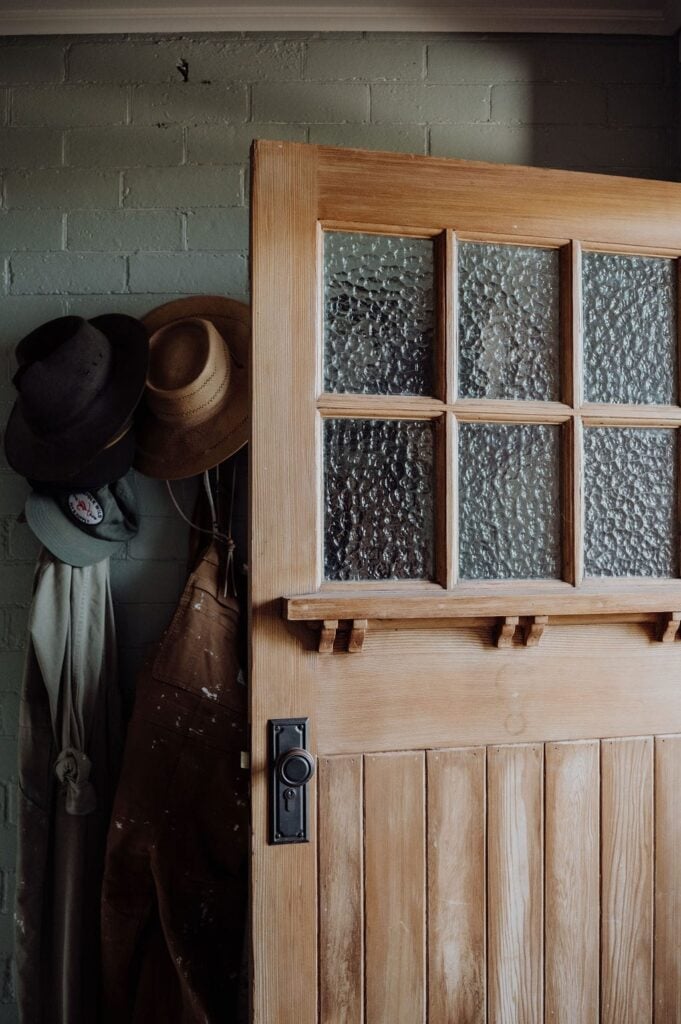
Selecting the Right Finishes
By choosing finishes that reflect the Californian bungalow aesthetic, you are investing in the value of the building to which you are custodian.
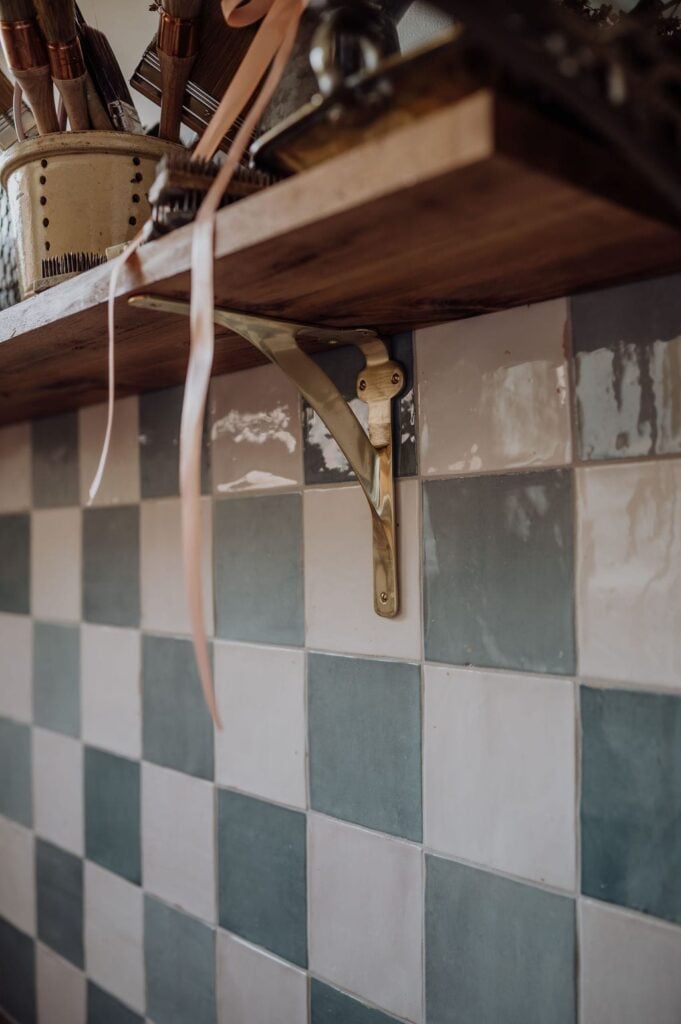
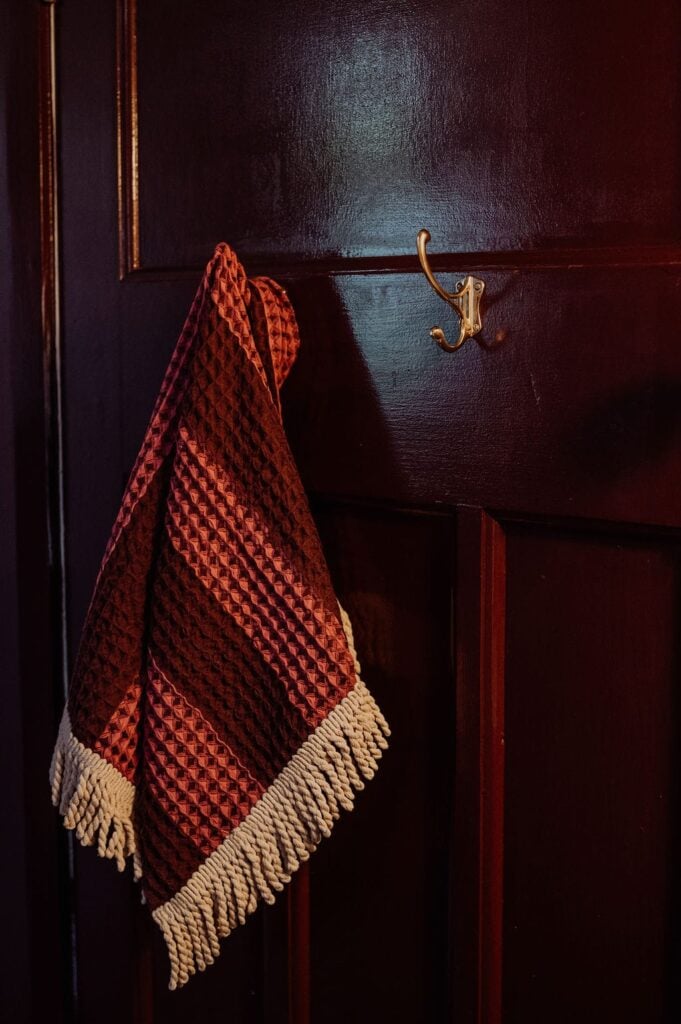
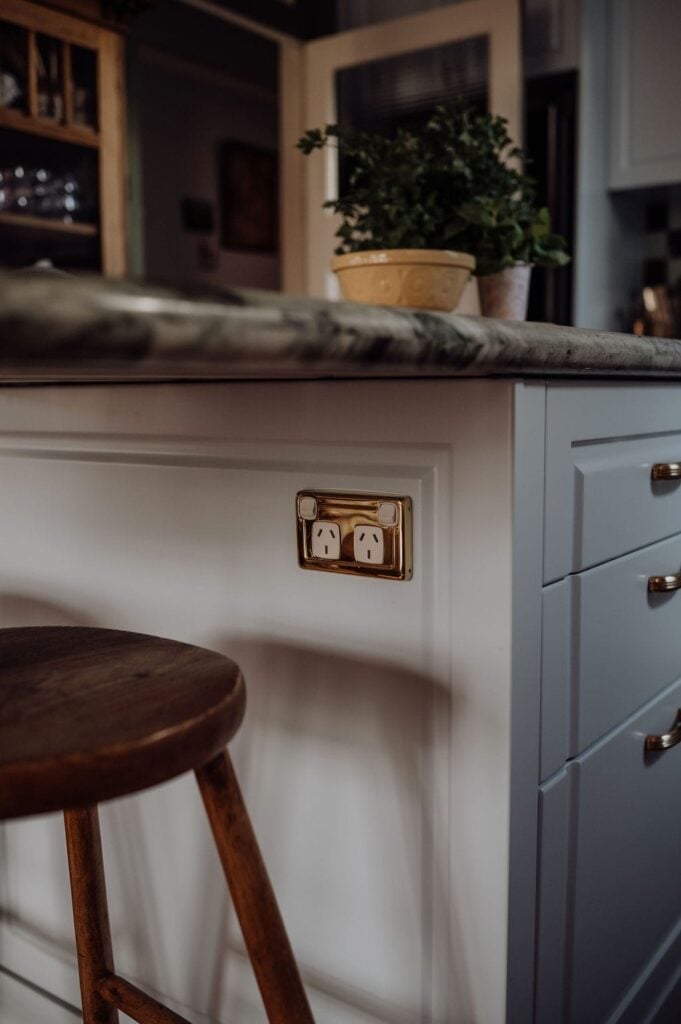
- Brass: Like many styles of this era, brass comes in hot as one of the most commonly used materials for the Californian bungalow’s traditional hardware.
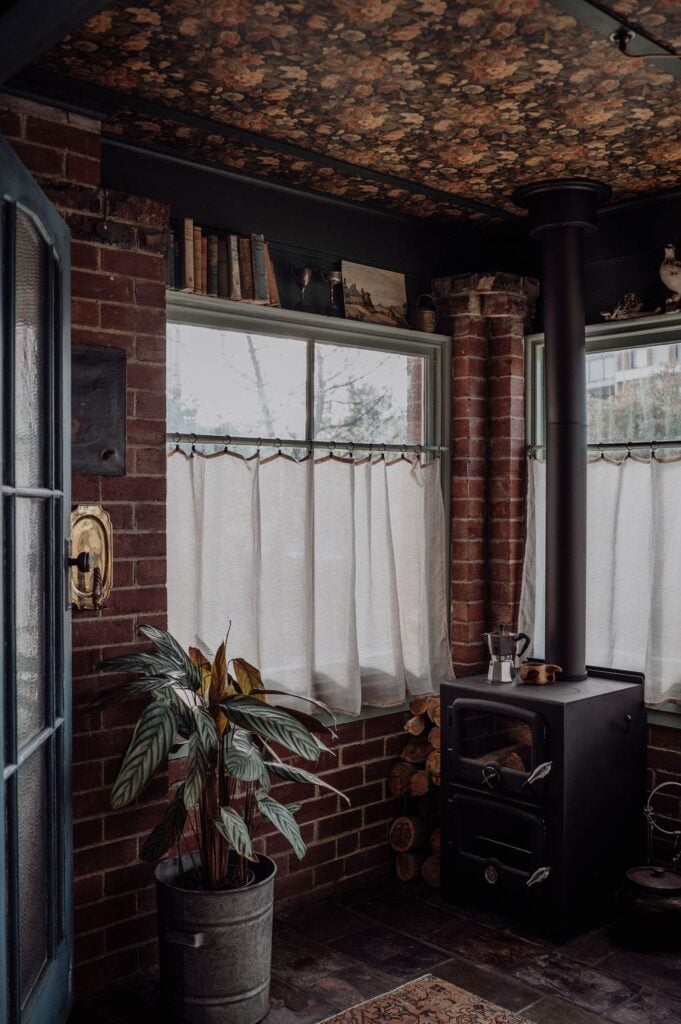
- Iron: Iron was used extensively, thanks to its strength and durability.
- Porcelain: Hygienic and a showcase of modernity, porcelain was a popular choice, especially for light fixtures and fittings.
Heritage Hardware for a Californian Bungalow Restoration
Toggle Switches
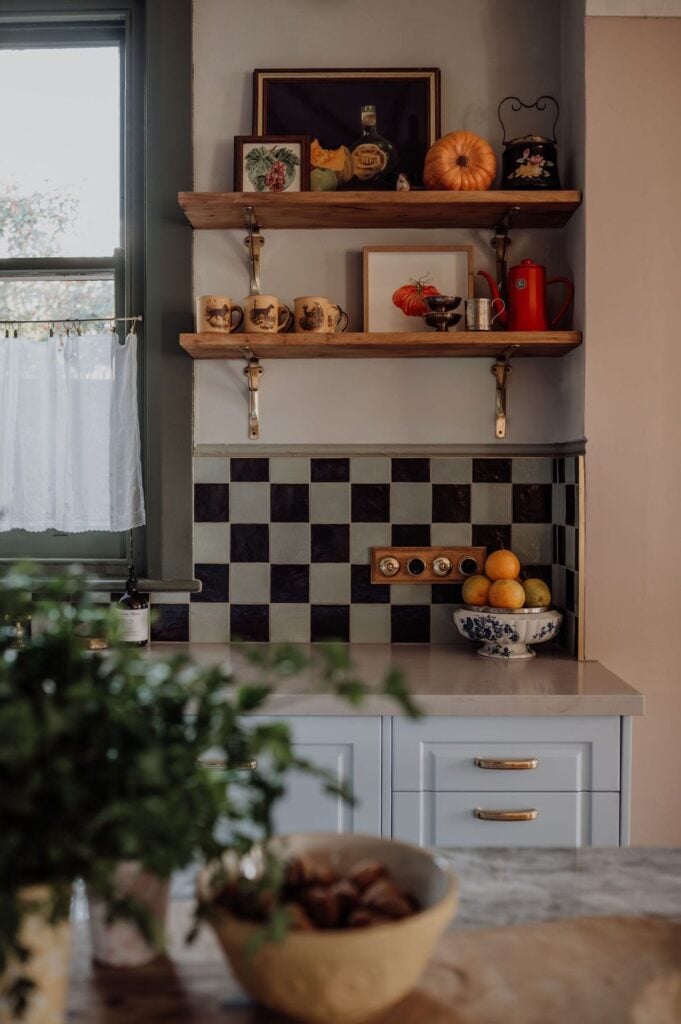
Toggle switches were widespread in Californian bungalows, at first made in brass, and as time went on, in porcelain and then Bakelite. Adding brass light switches is a simple way to celebrate those original forms.
Explore Traditional Light Switches
Door Knobs
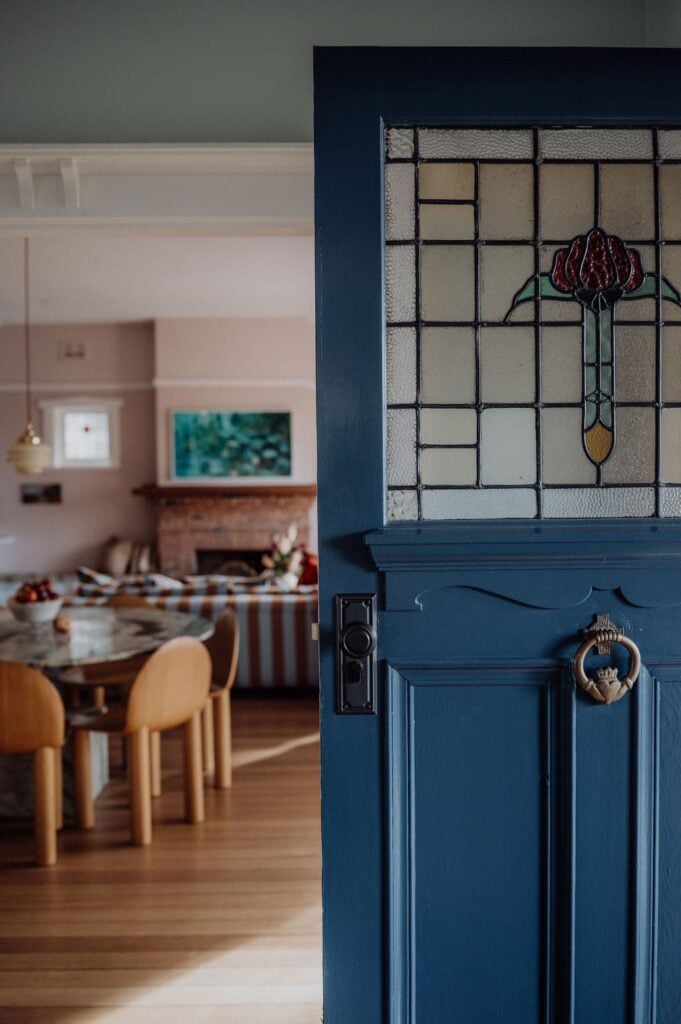
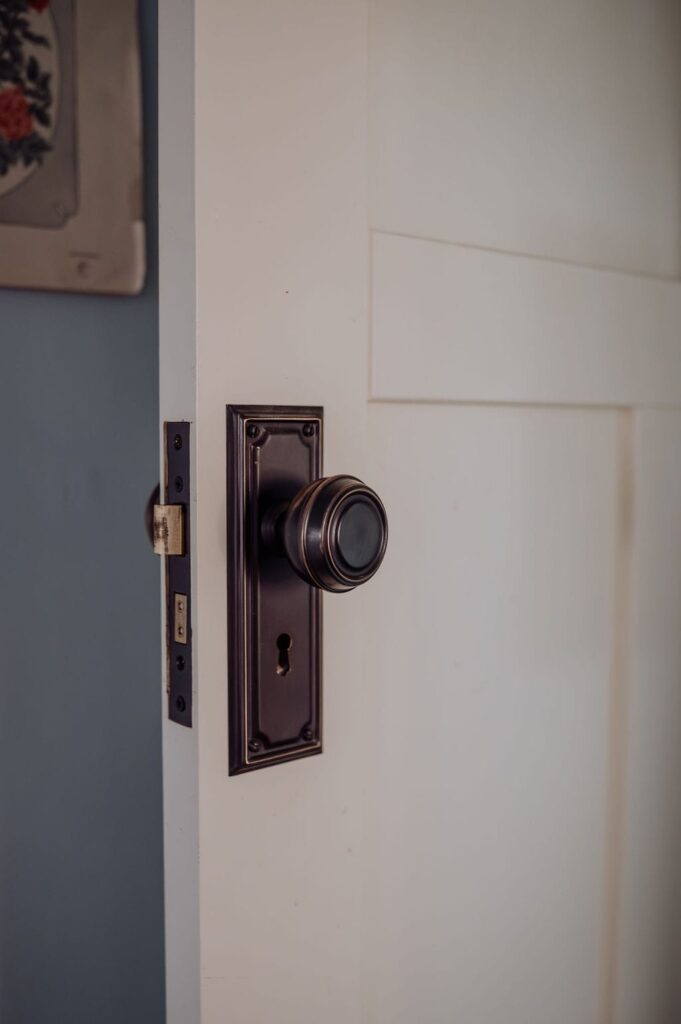
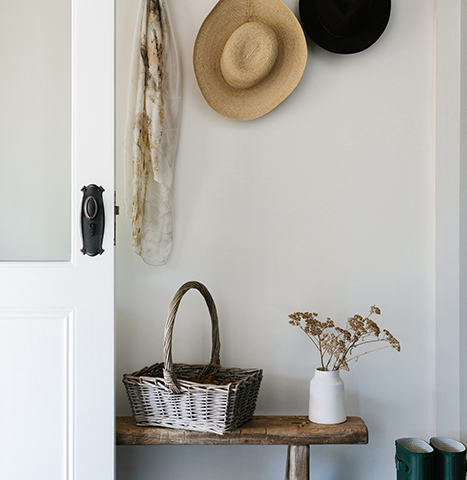
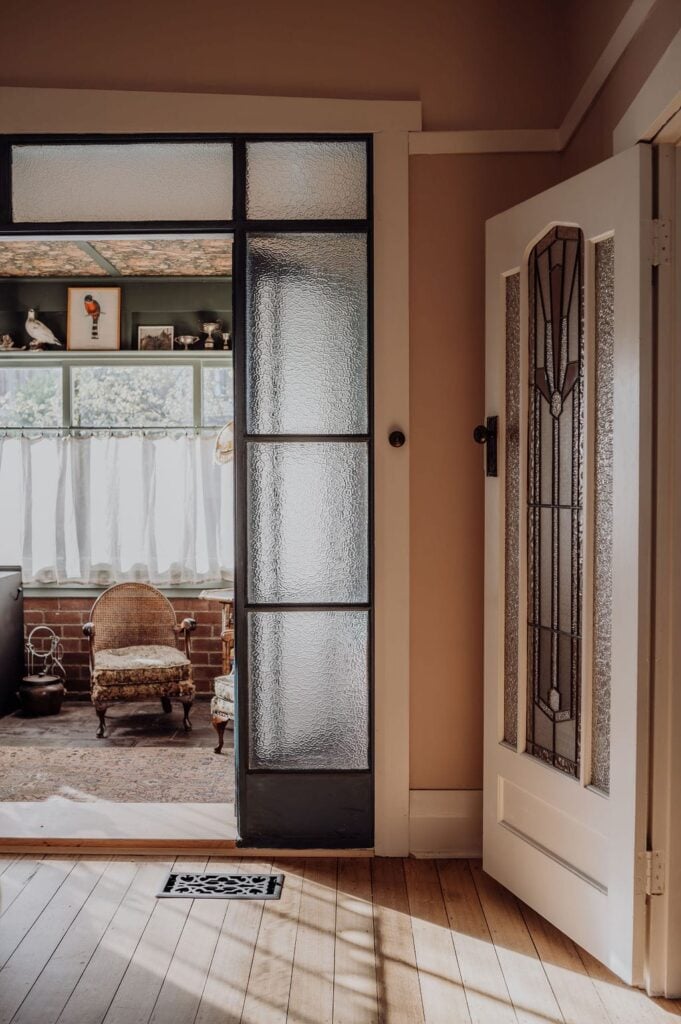
For internal doors, porcelain knobs were popular originally, and so a thoughtful way to renovate your Californian bungalow is by reinstalling this charming, tactile form of doorknob.
For Californian bungalow homes, door knobs on backplates are often positioned at the higher 1050 mm mark to suit the proportional aesthetics and heritage character of the style.
Brass doorknobs became the more prevalent choice as time went on, as the material was in fashion around this period and was relatively affordable. But most importantly brass was hardwearing and resisted rust, making it ideal for the salty air of Australia’s many seaside cities. Something simple like the Milton Knob on Long Backplate would serve as an appropriate replacement knob, or try the TradCo Bungalow Doorknob on Long Backplate for something with a bit more detail.
Explore Door Knobs
Cupboard Knobs
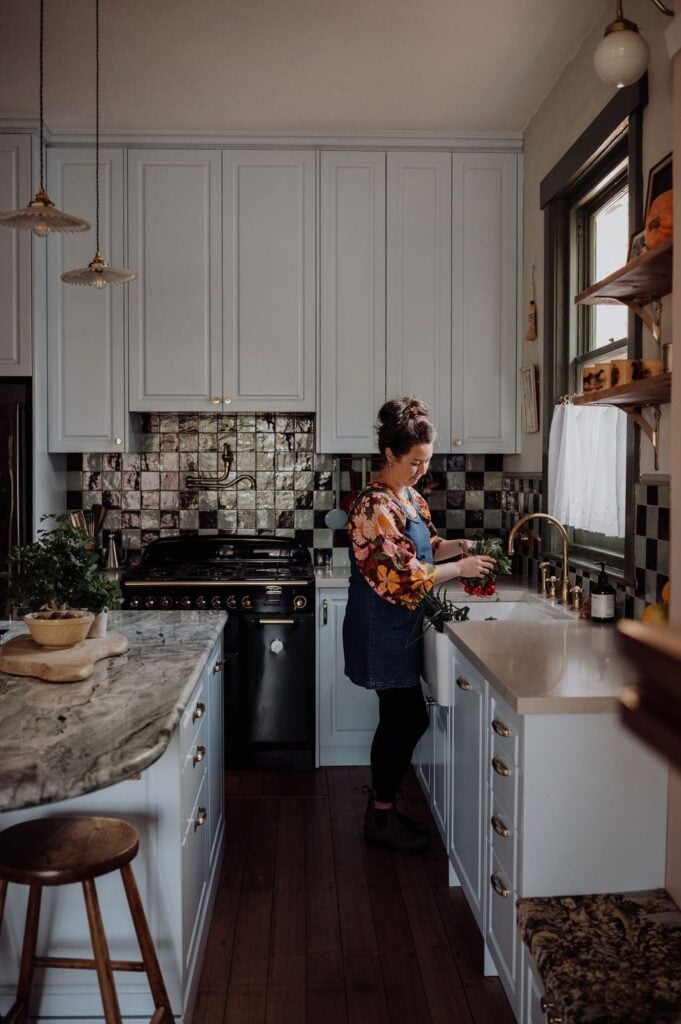
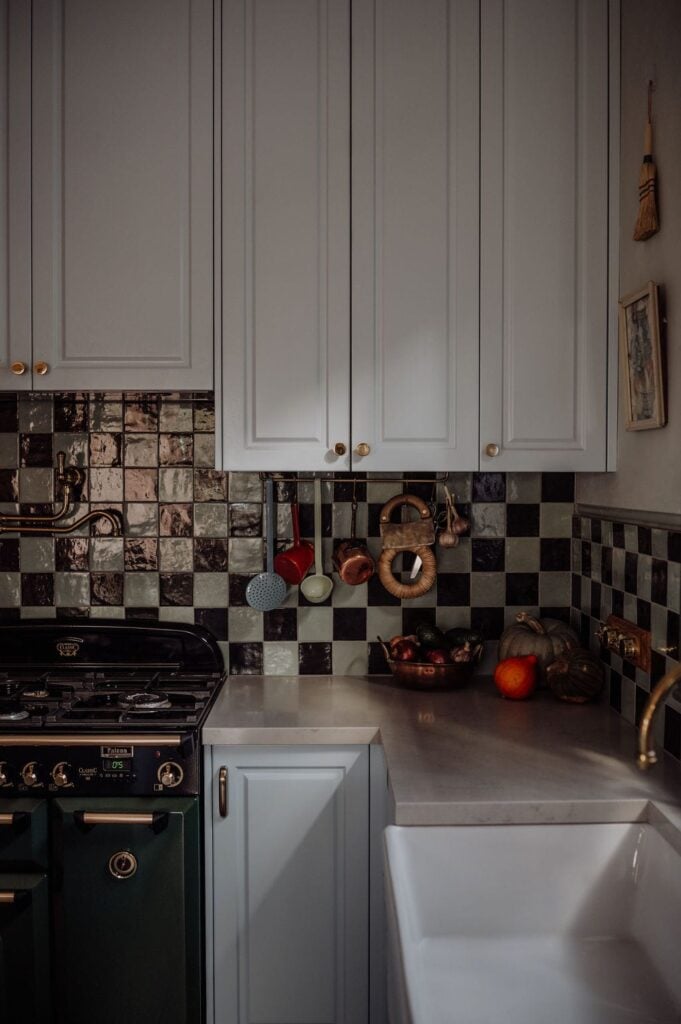
A subtle way to imbue the original spirit of the Californian bungalow into your home is via cupboard knobs—be it in the kitchen or on cabinetry around the house. The understated, but still present, ring detailing on TradCo’s Domed Cupboard Knob works beautifully to signify heritage design values, without being ostentatious. For earlier styles of Californian bungalows, porcelain knobs, either in simple, round format, or domed design, fold into the whole seamlessly.
Explore Cupboard Knobs
Bringing History Home
The Californian bungalow was key in helping to shape the Australian architectural aesthetic, and their sympathetic renovation helps preserve them for future generations. Doing so can be achieved with inclusions as minimal as traditional cabinetware, ornate doorknobs, or vintage light switches on the walls, or be as extensive as a whole-house renovation. Even installing small, heritage details, though, is an act of historical preservation: one that your house, with its century of history housing families and folk, playing children and beloved pets, deserves.