
A Journey Through Australian Architectural Styles: Art Deco (1920-1939)

TradCo respects the history embedded in every home and is passionate about restoring buildings to their former glory. Understanding your home’s architectural style is key to preserving its character. This series explores the evolution of Australian architecture, helping you appreciate your home’s unique history and design, and how TradCo can assist in restoring it to its original beauty.
When the First World War ended in 1918, a year after the Russian Revolution had begun, the world was left in disarray. What followed was a period of intense rebellion; of the Jazz Age, when the Bright Young Things were Charlestoning their way across glossy dancefloors, eschewing the restrictions of Victorian and Edwardian values. Hemlines were lifted; corsets relinquished. This is the period of flapper girls, The Great Gatsby, of Poirot and the Weimer Republic: it was wild and unhinged. Modernity was at the fore, representing a move away from conscription and war. This was an age about choice. Art Deco encapsulates this in design form: the old was out; new was everything.
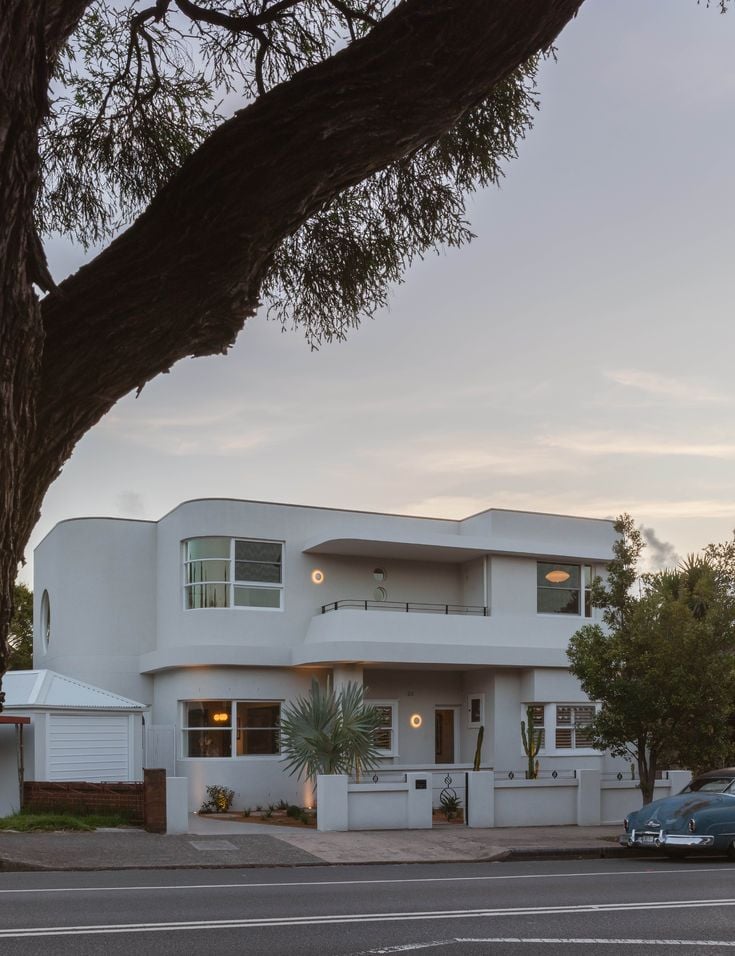
But there is Art Deco and there is Art Deco. One is the simplified style of the everyman, an interwar building style constructed from new, cheaper materials creating buildings that were more affordable than many previous iterations. Then there is the other kind: the jubilant, frothy, opulent form—the flapper girl of architecture, if you will. These buildings are expressive and fantastical, featuring chevron patterning, stucco reliefs and slick creations made from glossy chrome.
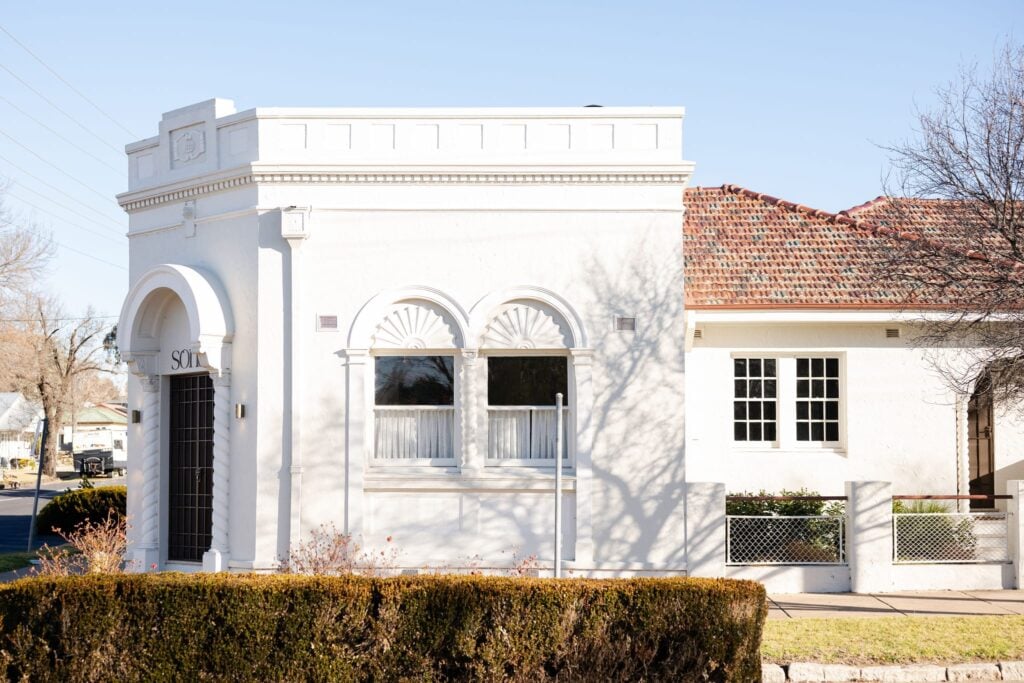
Both styles feature across the Australian architectural landscape, and both, specifically, in Australian homes of this period. Art Deco style is beloved and revered, so while many of the buildings built in this style have been protected and taken care of, it’s not the case for all of them. When renovating one, it’s important to take care of the details, because so much of Art Deco’s unique style lies within these tiny moments. Here’s how to do it.
Defining Features of Art Deco Homes
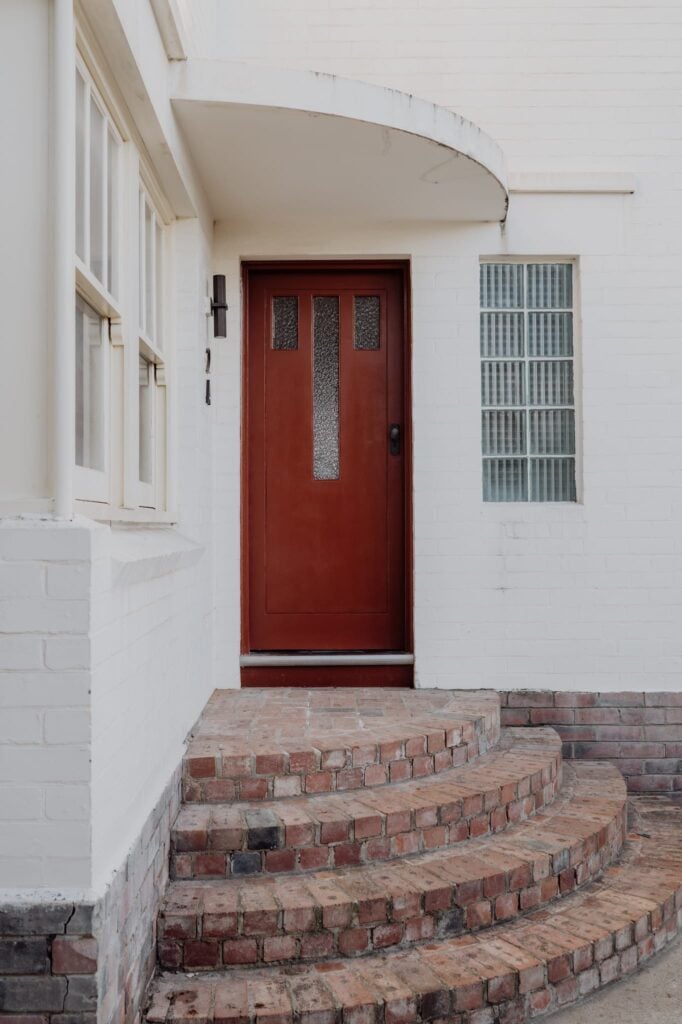
Art Deco represents a major shift away from other styles of the period: where they used stone, Art Deco used concrete or brick. Gable roofs had been dominant, but Art Deco preferred the flat roof option: distinction and modernity were paramount. Key features of Art Deco homes include:
- Flat roofs signified a new era for architecture, with Art Deco a major contributor to the uprising of the trend.
- Concrete, although ancient, suddenly felt new again in the 20th century when it began to be reinforced with steel. This allowed for wild architectural moves like cantilevers and flat roofs in Art Deco buildings.
- Brick façades were popular—they were manmade, modern and structurally strong. Decorative brickwork features often in the Art Deco home.
- Chrome features—the gloss! The reflection! So modern; so Art Deco.
- Steel-framed windows replaced the wooden ones of yore: the futuristic feel of them appealed to the Art Deco language.
- Although the use of terrazzo in flooring goes back millennia, Art Deco reembraced the trend. Thanks to its clever use of small pieces of leftover stone, rumbled through concrete, it was affordable in a time when materials were expensive, giving a luxurious look without the price tag.
Restoring Art Deco Homes with Heritage Hardware
Art Deco is not a style you want to mess around with, it’s one of the most beloved and iconic architectural movements of all time. The New World, in particular the USA and Australia, were able to embrace it with more vigour than the Old World: there was less architectural baggage, and a keenness to house increasing numbers of immigrants. It was also a way to rejoice in the newness of these places. The result is some of the world’s best Art Deco, right here in Australia. If your home is an Art Deco one, celebrate it; don’t hide it. The little details matter, so choosing the right Art Deco hardware ensures you are doing your renovation right.
Selecting the Right Finishes
Preserving the architectural integrity of an Art Deco home is key to its success. Finishes to help you do so include:
- Chrome: This is the big cheese. If you want your home to positively reek of vintage Art Deco, give it some chrome.
- Nickel: Early Art Deco loved it some nickel, often plated over brass, on features like traditional door handles, escutcheons and window latches.
- Brass: In early examples of Art Deco brass was still popular, so it works well in an Art Deco renovation.
- Bakelite rose to fame in the Art Deco era, and proved popular for light switches and power points. It’s no longer made, and modem plastic can look cheap and unattractive, but porcelain hardware can offer a similar aesthetic in a pinch.
Heritage Hardware for a Art Deco Home Restoration
Art Deco fittings give the wow factor in an Art Deco home, seamlessly slotting into the fold as if they had always been there. TradCo offers a range that both feel, and look, original.
Door Knobs
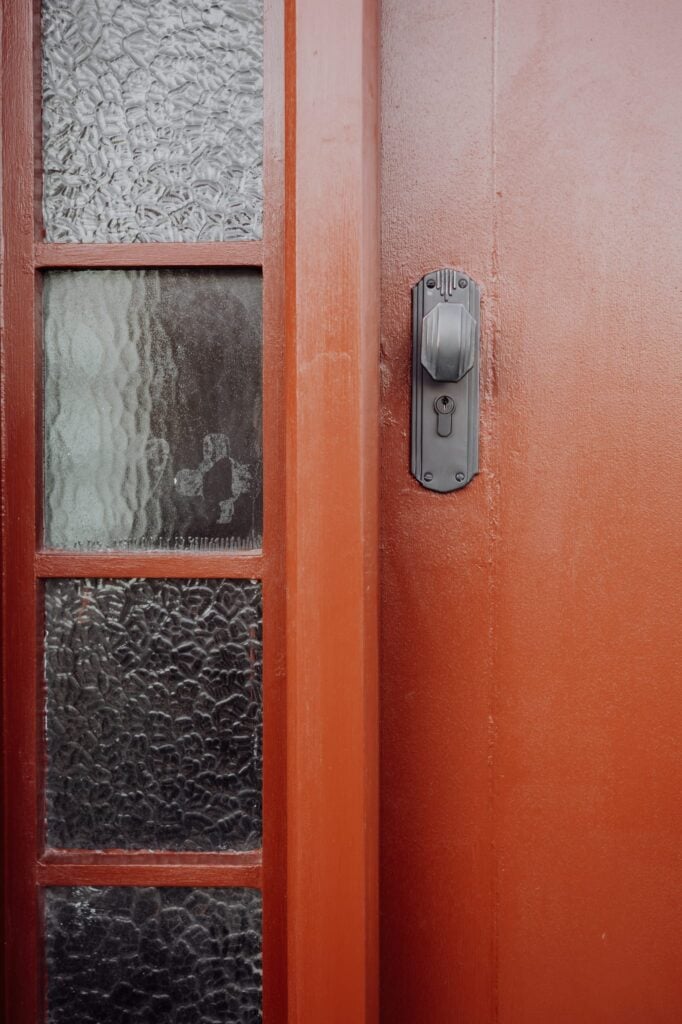
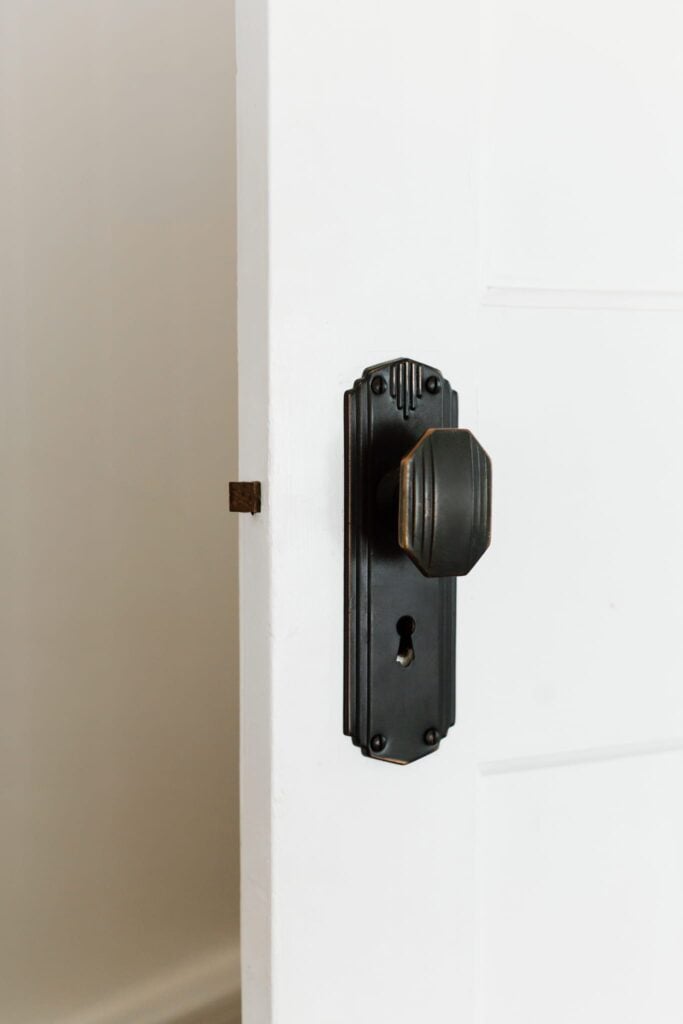
Art Deco doorknobs went from pared-back, minimal, geometric designs all the way to the ultra-extravagant. A way to create that Art Deco vibe in spotlighted moments throughout your home is via the latter, like with TradCo’s elaborate, fanned-out Elwood Art Deco Doorknob, or the slightly more muted Napier Art Deco Doorknob, inspired by one of the world’s most famous Art Deco cities: Napier in New Zealand.
Explore Art Deco Door Knobs
Cabinet Pulls
Evocations of Art Deco in your home don’t need to be monumental. Features as minimal as Art Deco cabinet handles and cabinet pulls can be used to signify the history of the space. The long ridges of TradCo’s Deco Cabinet Pull recall Art Deco design, but without being over the top. It’s available in plated chrome, antique copper or polished brass to match other elements in the room.
Explore Art Deco Cabinet Pulls
Flush Pulls
Flush Pulls gained popularity in the Art Deco era, particularly in modern, sliding doors—again, their sleek, inset design breathed newness, and so was deeply attractive to this modernity-driven generation of designers. TradCo offer a range of flush pulls that help to complete an Art Deco home’s detailing. Even their Traditional Flush Pull fits the bill.
Explore Flush Pulls
Bringing History Home
With most of Australia’s urban world built in the 20th century, and Art Deco considered one of the world’s greatest architectural movements, an Australian Art Deco home should be treated with sensitivity, care and celebration. This can be achieved with grand gestures like restoring flat roofs and ornate brickwork, or via small moments like Art Deco door hardware or Deco cabinetware. Your building is one that people stop on the street to admire—give them something to look at.