TradCo’s Guide to Selecting Heritage Door Hardware
20 October 2026TradCo has supplied authentic heritage hardware since 1982, from door levers and hinges to light switches. Our door hardware is available as complete sets or individual components.
Choosing door hardware for a heritage home or restoration comes down to a few decisions: the era, the function of each door, the hinge and the finishing details. Here’s how to work through them step by step, and where TradCo’s range fits.
- Identify your home’s architectural era
- Select your products (lever or knob, finish, and lock type)
- Select your hinges
- Select your accessories
- Install your hardware
Step One: Identify Your Architectural Era
The period your home was built in shows in its architraves, doorways and façade. Identifying that era first is the most reliable way to choose hardware that is authentic to the house.
We’ve mapped out the defining features of Australia’s major residential styles, from Colonial/Georgian homes through to the Modern Farmhouse, in our journal series A Journey Through Australian Architectural Styles. Each instalment covers the history behind the style and the hardware that suits it, including Colonial/Georgian, Victorian, Worker’s Cottage, Federation/Edwardian, Californian Bungalow, Art Deco, Mid-Century and Modern Farmhouse. If you’re not yet sure which era your home belongs to, start there. Once you know, everything else in this guide will be easier.
-
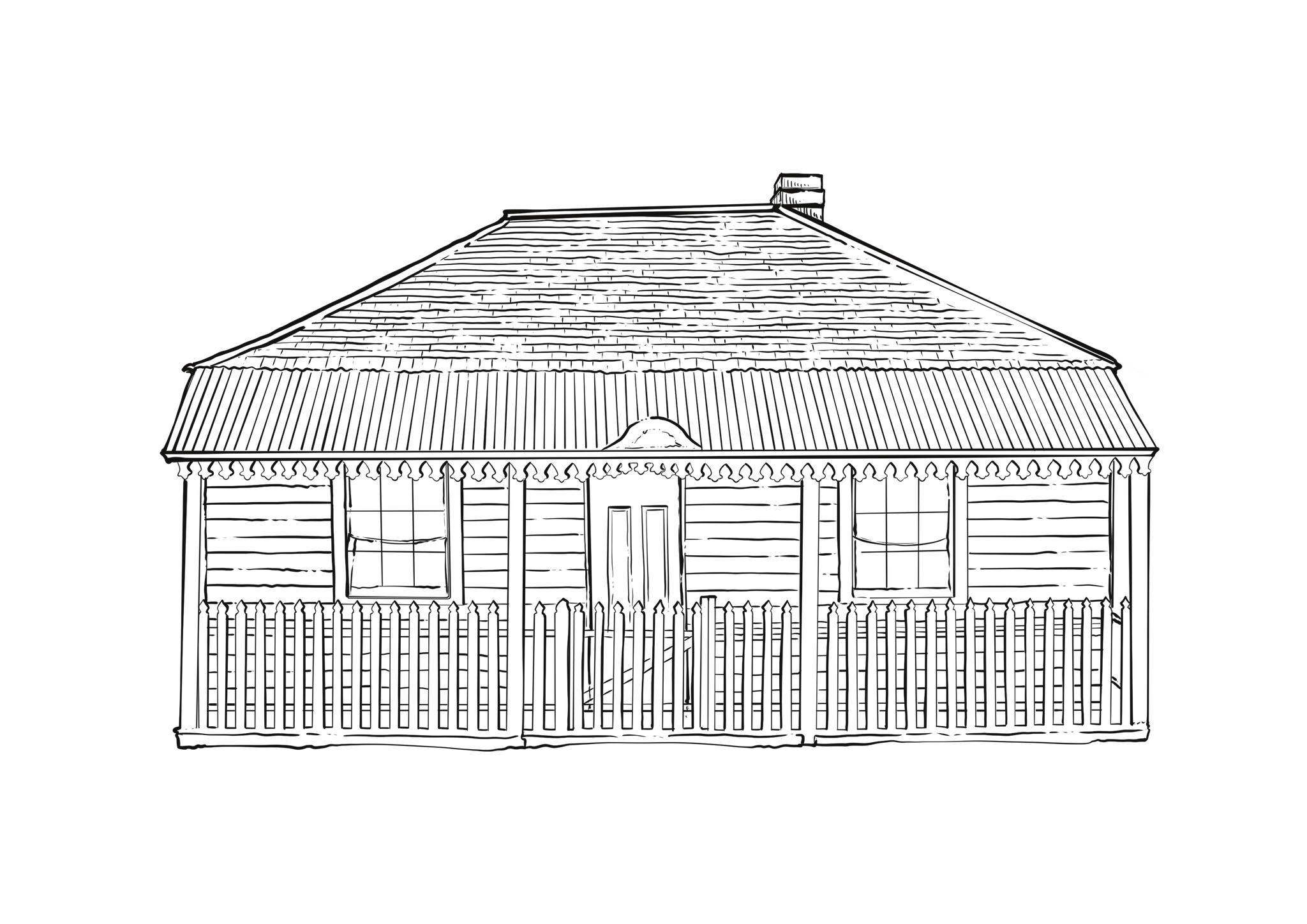
Colonial Georgian
1788–1850
Read the article
-

Victorian
1837–1901
Read the article
-
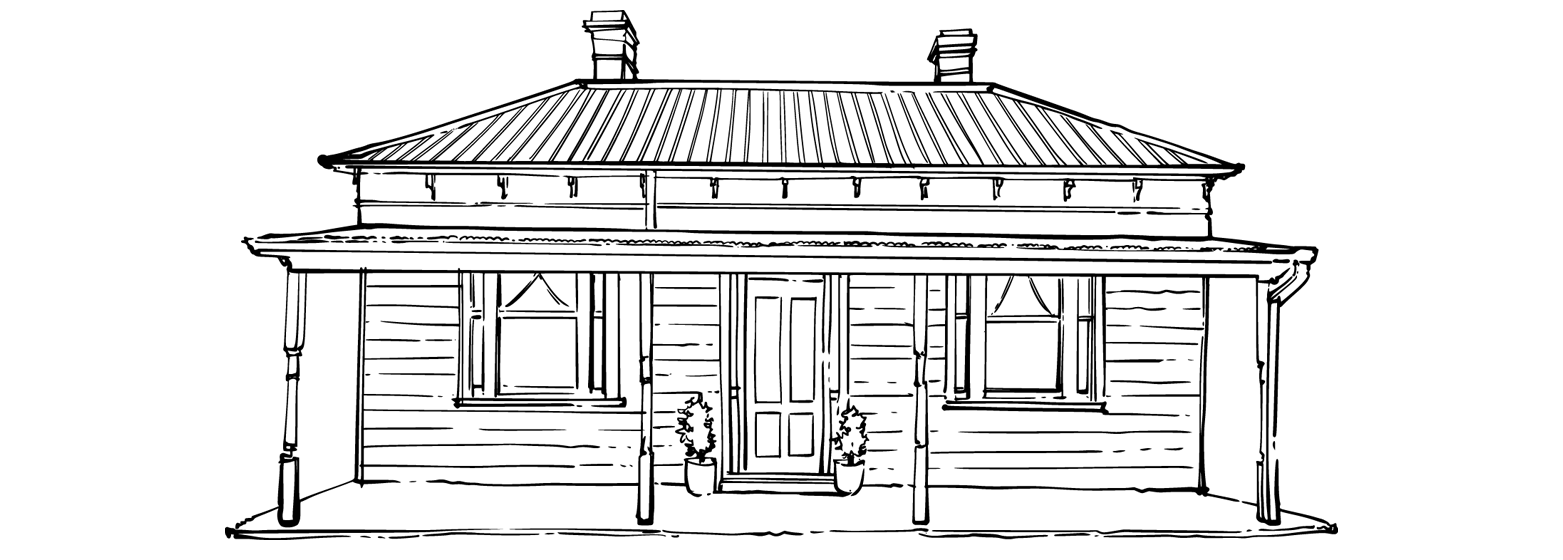
Worker’s Cottage
1840s–1930s
Read the article
-

Queenslander
1840–1939
Read the article
-

Federation/Edwardian
1901–1920
Read the article
-
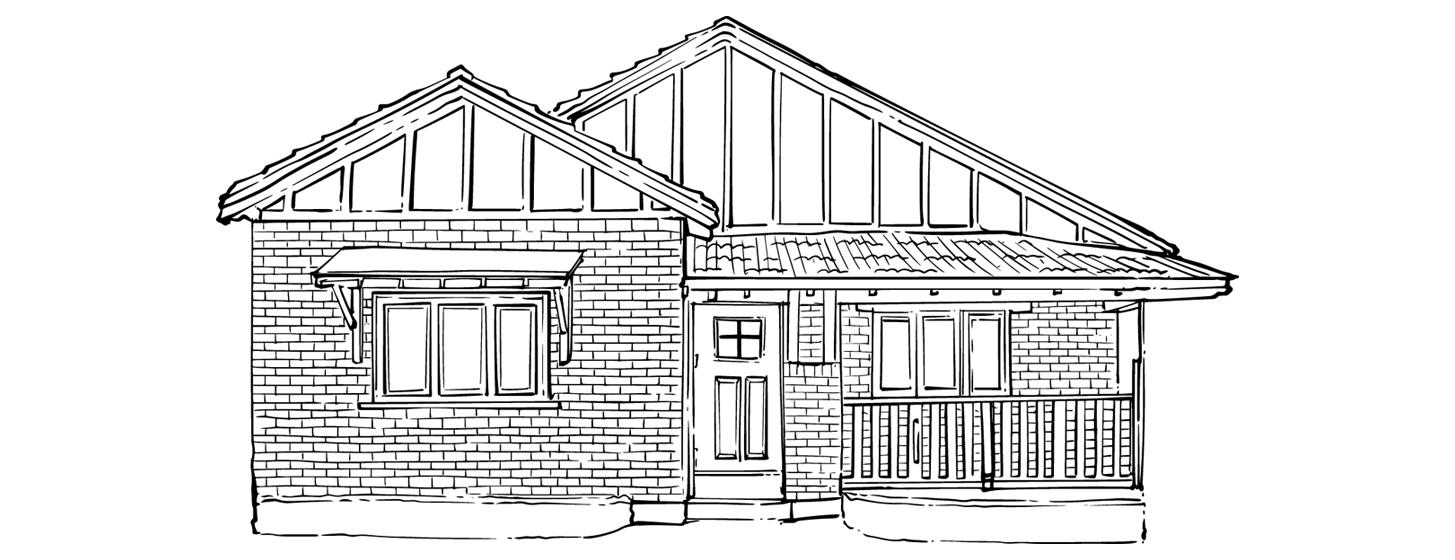
Californian Bungalow
1915–1940
Read the article
-
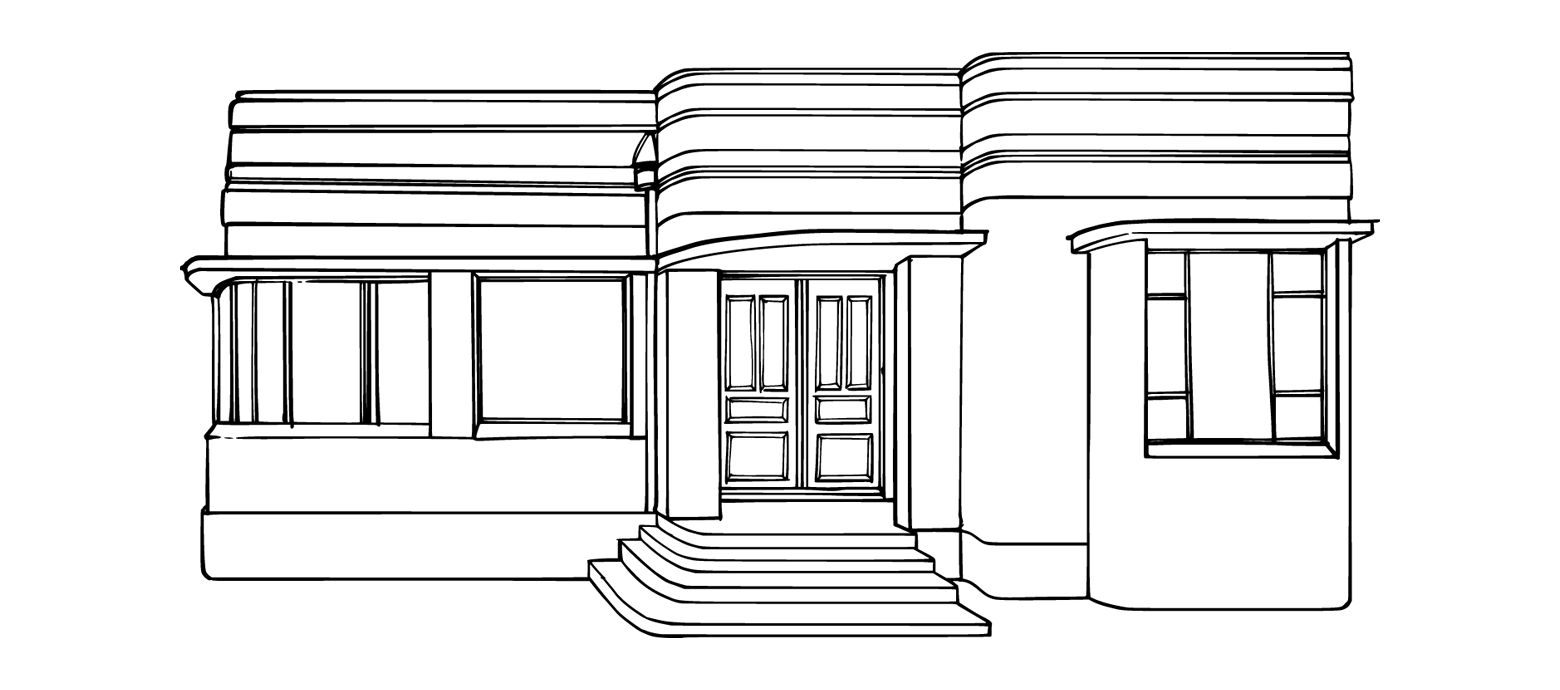
Art Deco
1920–1939
Read the article
-
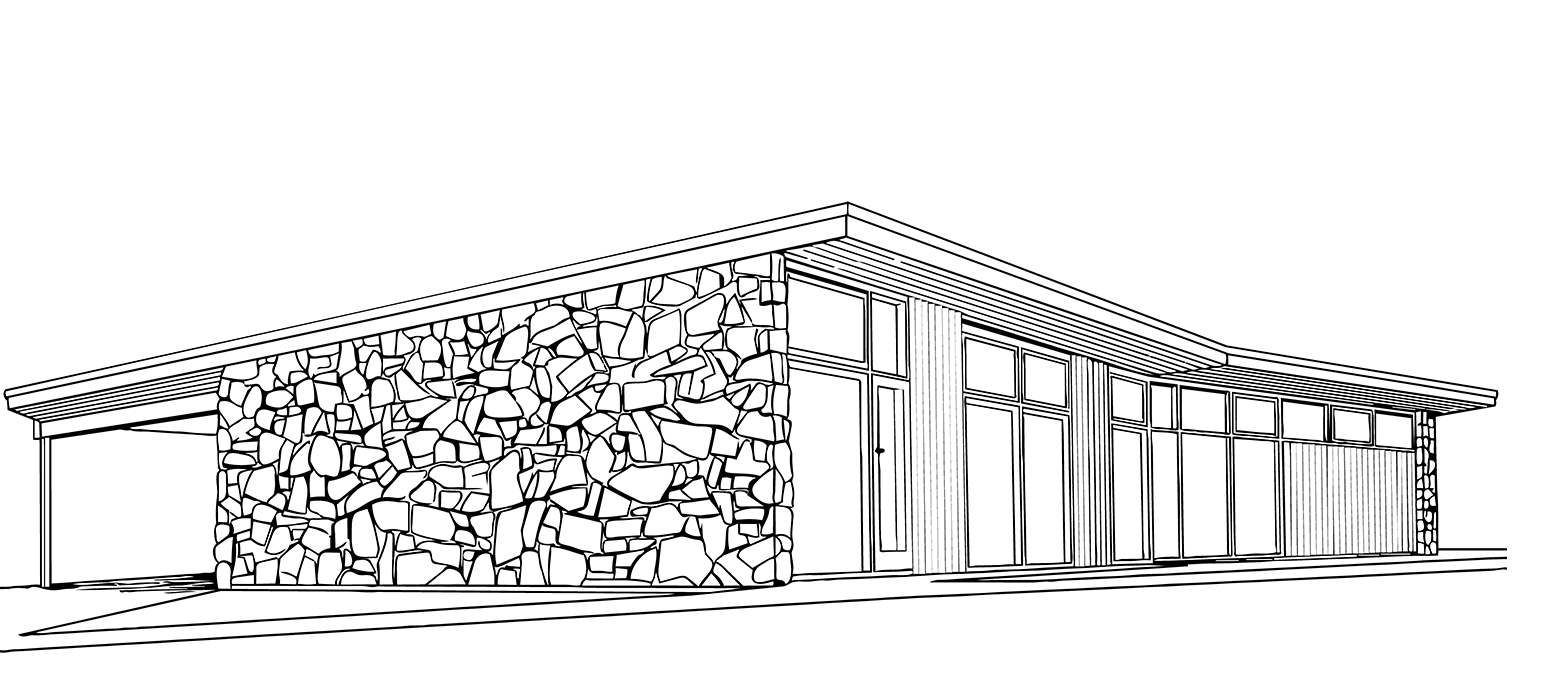
Mid-Century
1945–1970
Read the article
-

Modern Farmhouse
2010s–present
Read the article
Step Two: Select Your Products
With your era in mind, it’s time to choose the hardware itself: your lever or knob, its finish, and the lock components that sit behind it.
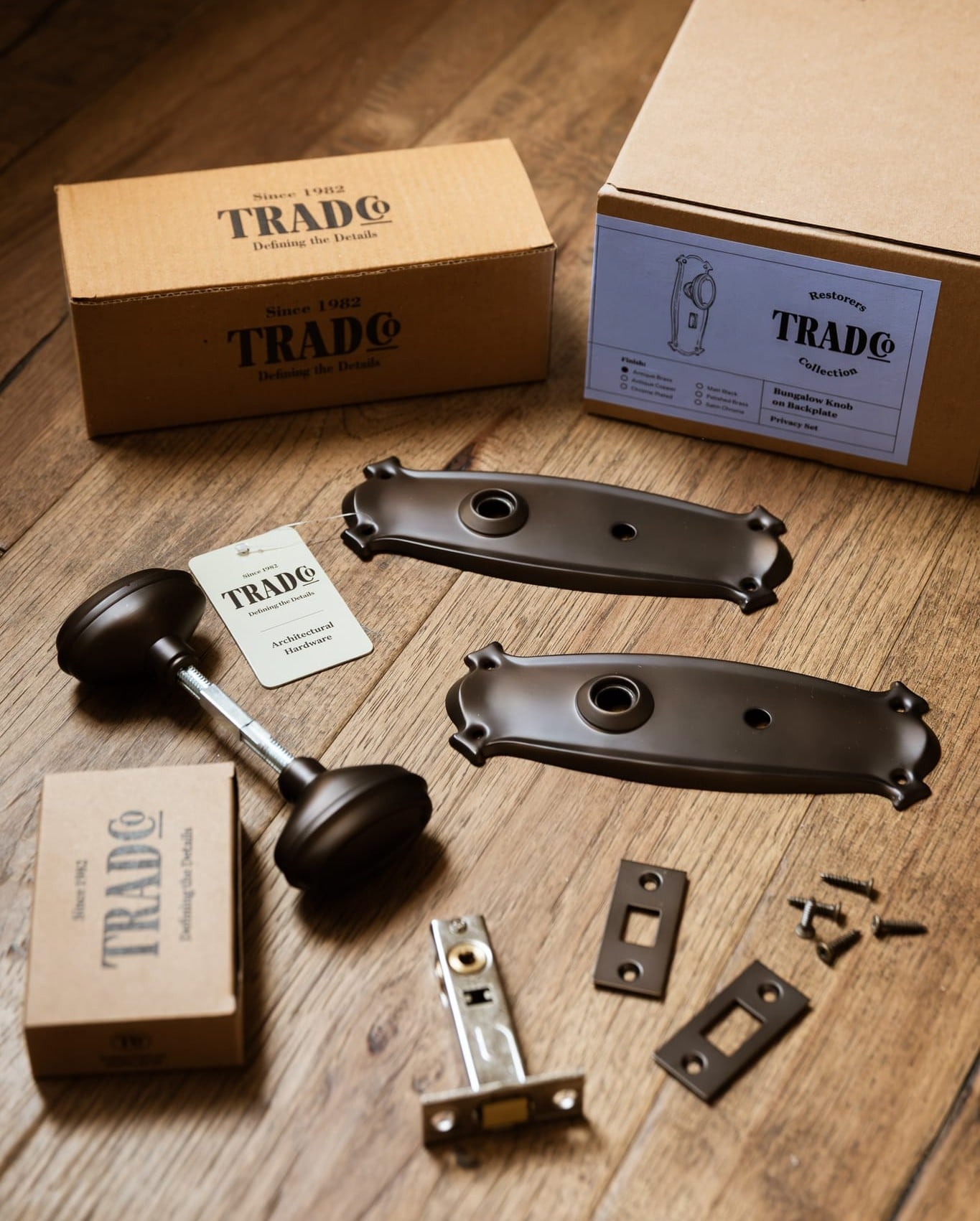
Door Hardware Sets
Start with a complete set, if you’d like to simplify the process. Our Restorers Collection Door Hardware Sets pair a lever or knob with the matching locking accessories and components your door needs to function, in one box. They come in three types: Passage Sets for internal doors that don’t need to lock (hallways, lounges, kitchens), Privacy Sets for internal doors that do (bathrooms, ensuites, bedrooms, offices), and Entrance Sets for front doors where a high-security lock is required. Each lever and knob set is available in six styles and six finishes, so the whole house can stay consistent from the front door in.
Explore SetsOr build your own, lever by lever. If you’d rather choose each piece individually, start with the style: a knob or a lever, on a backplate or a rose.
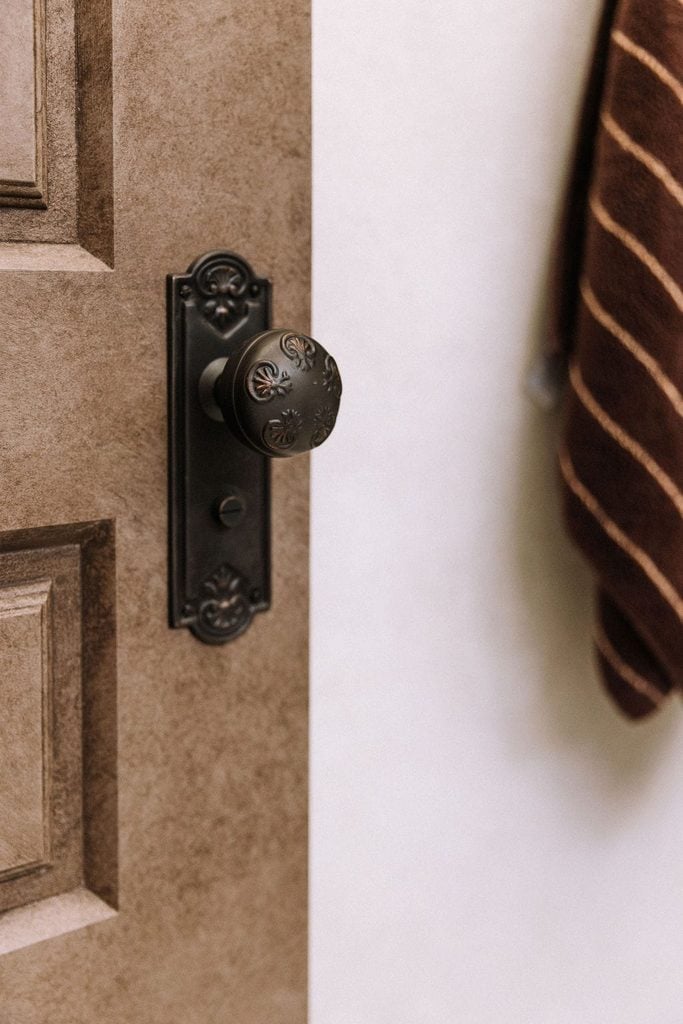
Then choose a finish to suit. Polished Brass and Satin Brass are warm, golden brass finishes, and Polished Brass is the original finish heritage homes were built around; Antique Brass and Antique Copper are hand-aged, and Antique Copper is made to keep changing, with brass showing through where it is handled most; Matt Black, Chrome Plated and Satin Chrome, all plated or powder coated over solid brass, are built to keep their colour and lustre; Satin, Polished and Rumbled Nickel sit warmer than chrome, with Rumbled Nickel aged using a traditional finishing method.
Even lacquered Polished Brass will gradually change with wear, but our Unlacquered finishes are living finishes that age faster, darkening and developing a natural patina over years of use. Whichever you choose, our Finish Care Guide covers how each one is made and how to look after it over time.
With your style and finish chosen, the next step is the components behind them: the latch, lock and fittings each door needs to work as it should.
-
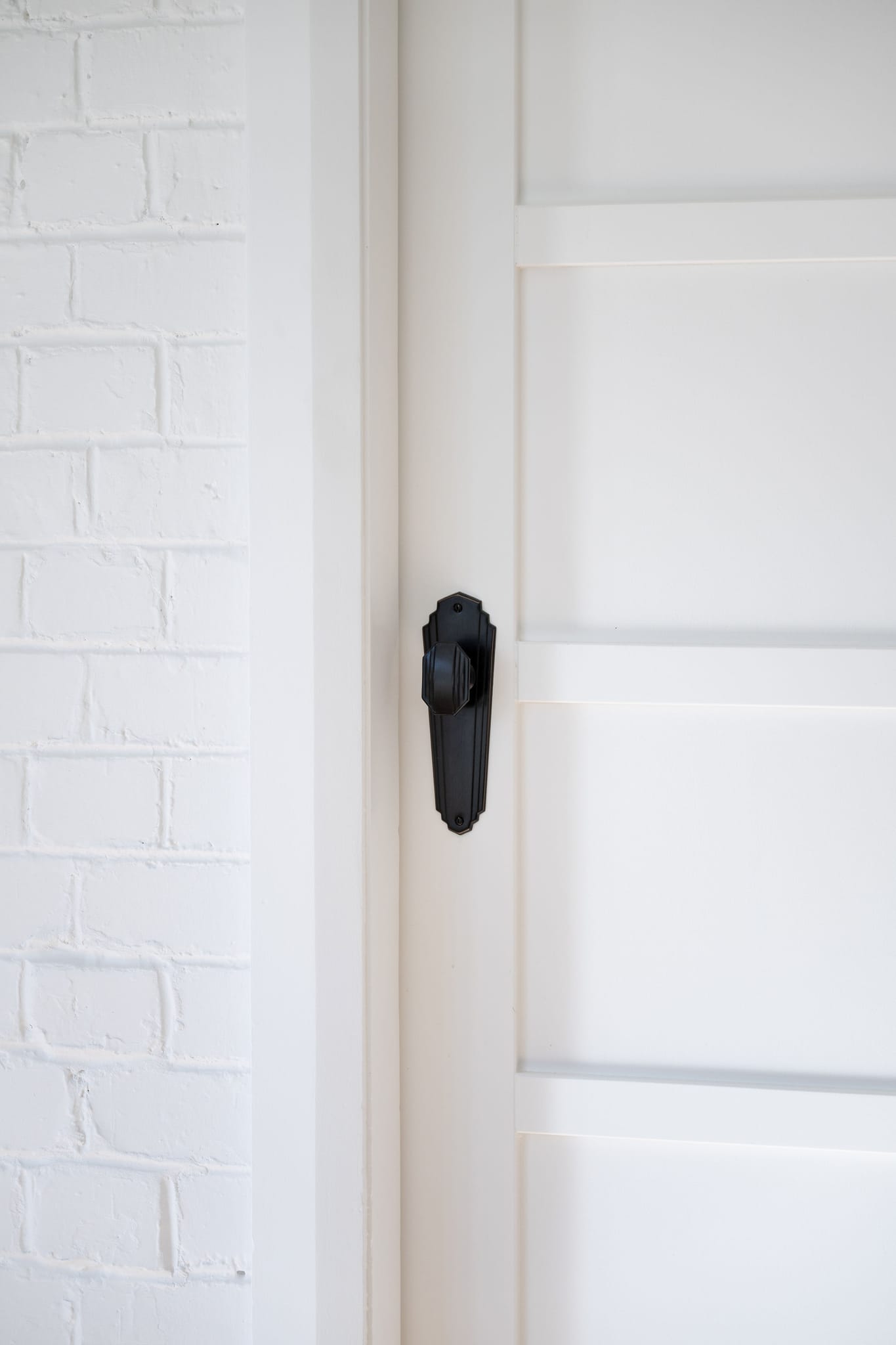
Passage Doors
Passage doors, which don’t need to lock, simply need a lever or knob paired with a tube latch.
-
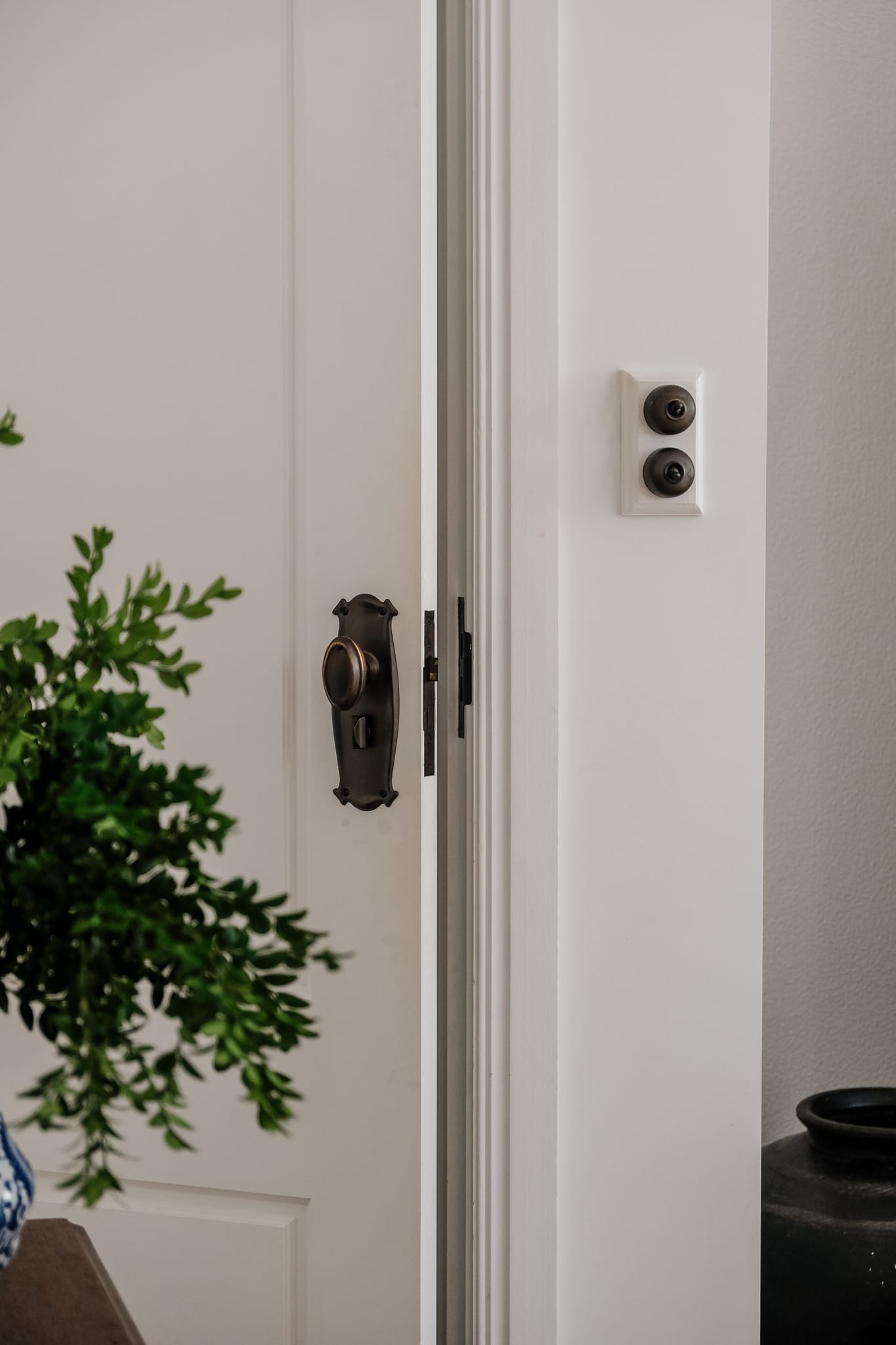
Privacy Doors
Privacy doors (bathrooms, bedrooms) add a privacy bolt (and, on a rose, a privacy turn) alongside the tube latch, giving the door a thumb turn & emergency release.
-
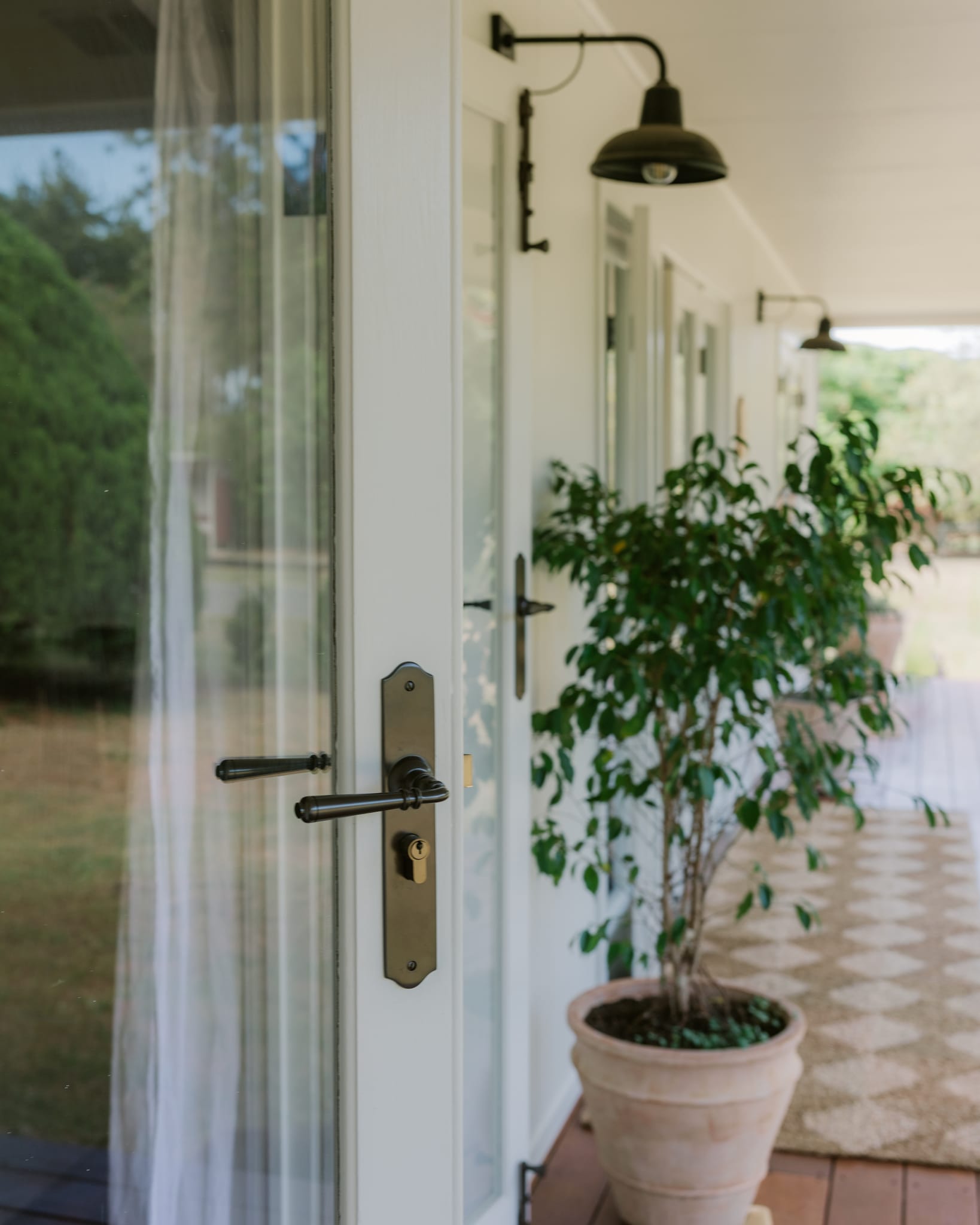
Entrance Doors
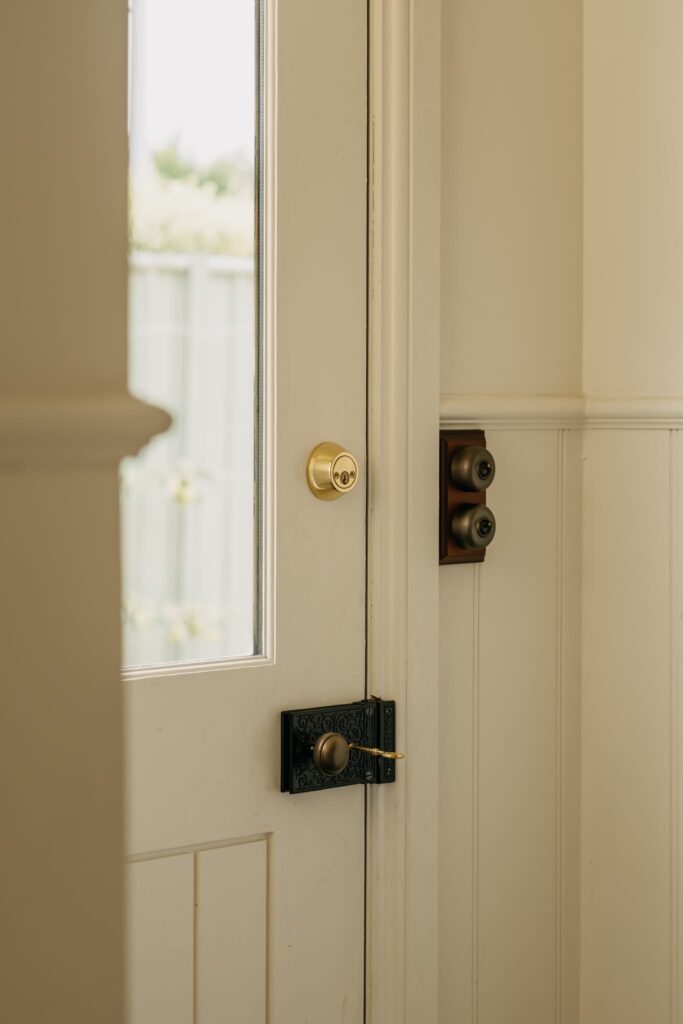
Entrance doors need a full locking mechanism, typically a mortice lock. The type of lock decides what goes with it.
Euro Mortice Locks need a euro cylinder. On a round rose, they also take a euro escutcheon.
Skeleton Key Mortice Locks don’t need a euro cylinder. On a round rose, they take a keyhole escutcheon.
A Restorers Collection Set covers this for standard single doors: choose your lever or knob, and the matching components arrive with it. For rebated or French doors, choose the lock components individually.
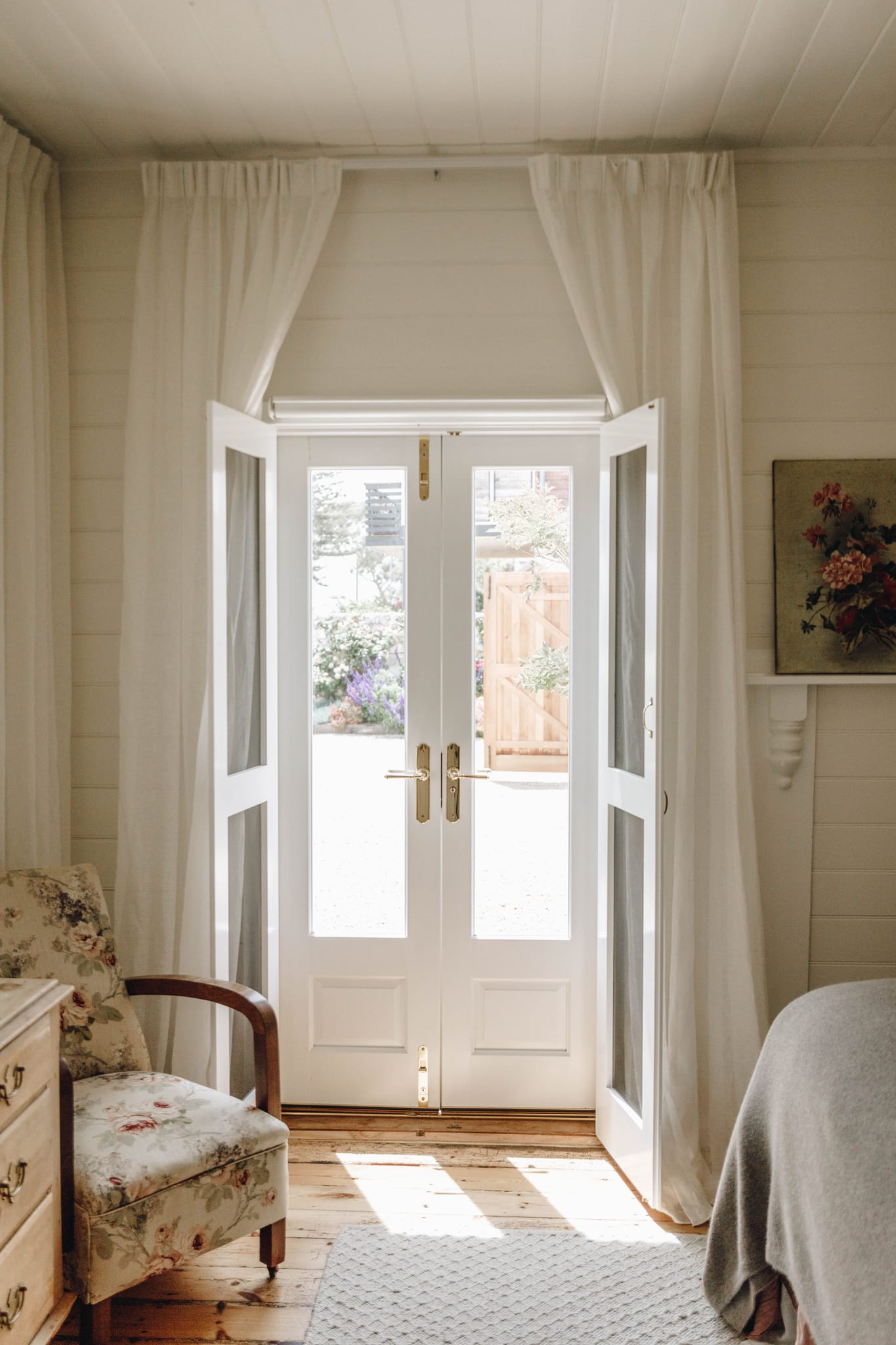
French Doors
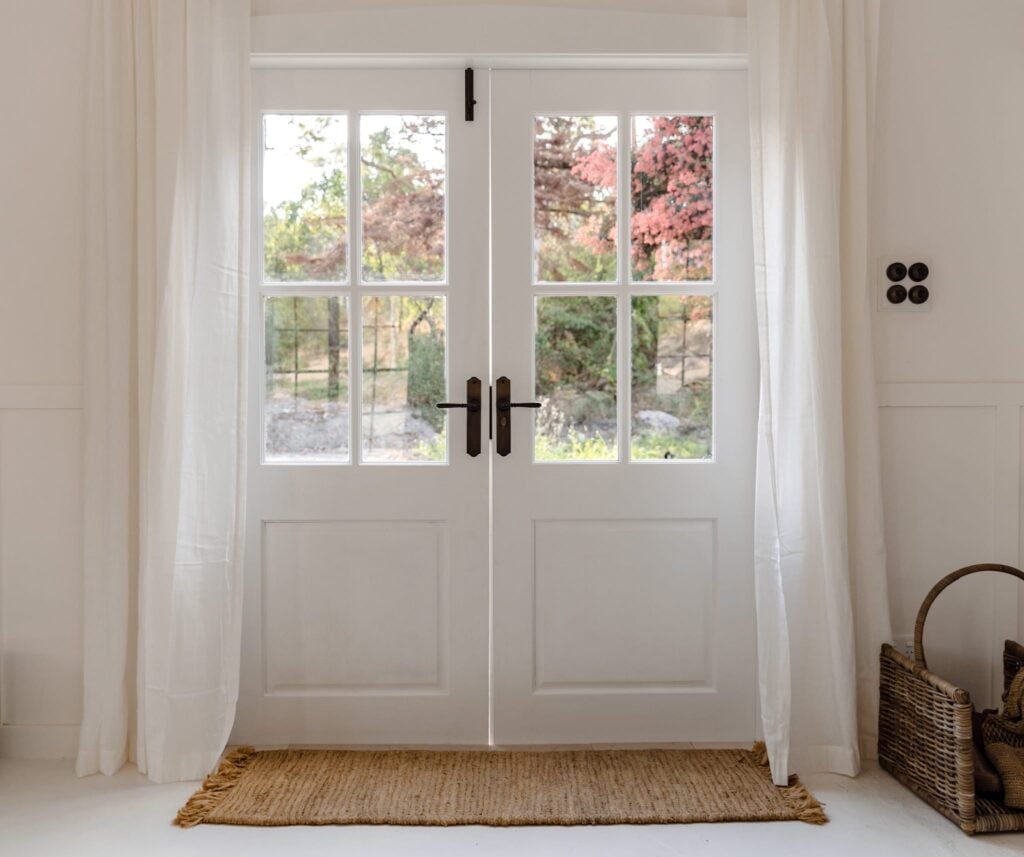
French doors are a pair of doors, often rebated so the two leaves interlock and can’t swing open. One door opens and closes as normal, while the other is bolted in place and fitted with a dummy set so the pair looks symmetrical.
External French Doors
- 2 flush bolts (top and bottom) to hold the inactive door secure
- 6 hinges
- 1 functional set (lever or knob on a backplate or round rose)
- 1 dummy set* for symmetry
- 1 mortice lock, or a rebated lock if the doors are rebated
- 1 euro cylinder, if a euro lock is specified
- 1 euro escutcheon, if a round rose is specified
- 2 doorstops
Internal French Doors
- 1 flush bolt (top or bottom) to hold the fixed door secure
- 6 hinges
- 1 functional set
- 1 dummy set* for symmetry
- 1 tube latch
- 2 doorstops
*To create a dummy door, 2 Taylor Spindles must be used to fix the knobs or levers on the inactive door.
For more information on how to choose the right lock for your door, use our guide on How to Select your Door Lock.
Step Three: Select Your Hinges
The right hinge determines how well a door hangs and operates over time. When selecting hinges, weigh up the door’s height, weight and thickness.
For more information, read our simple guide to selecting hinges for your heritage restoration.
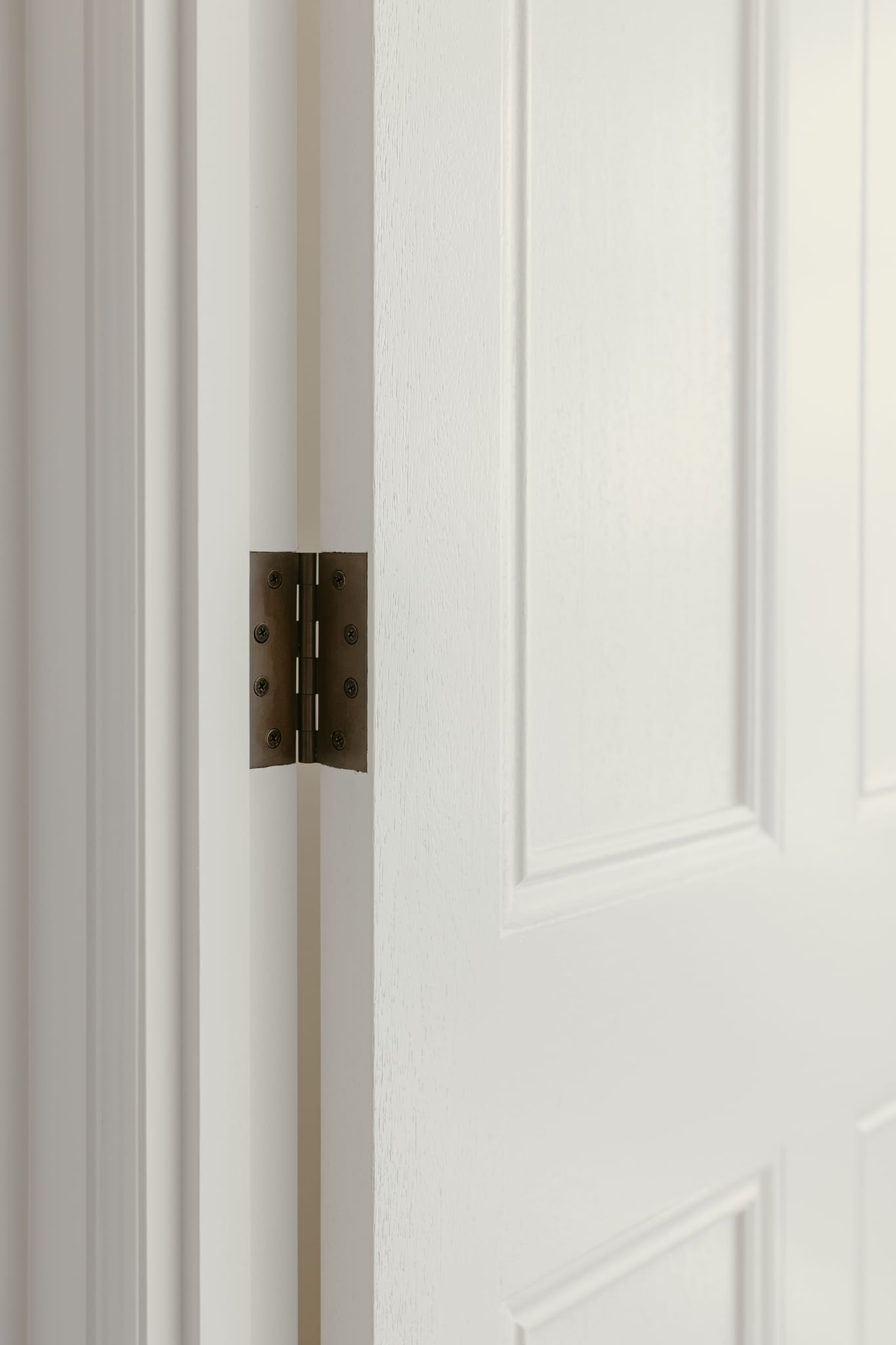
Ball Bearing Hinges
Ball Bearing Hinges suit solid and hollow core, external and some oversized doors, where the extra load needs steady support.
Suits: Solid core, external and oversized doors
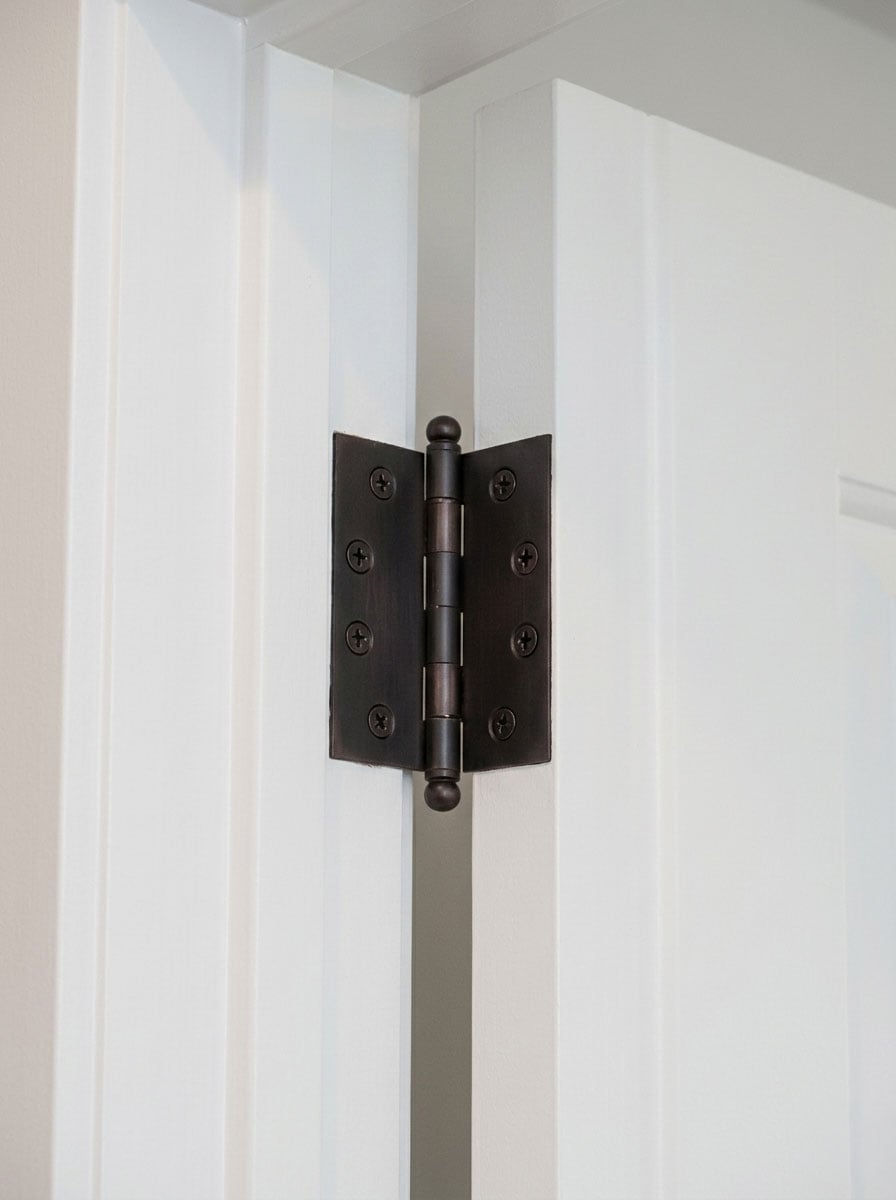
Loose Pin Hinges
Loose Pin Hinges allow the pin to be removed for easy door removal, but are for internal use only.
Suits: Internal doors only
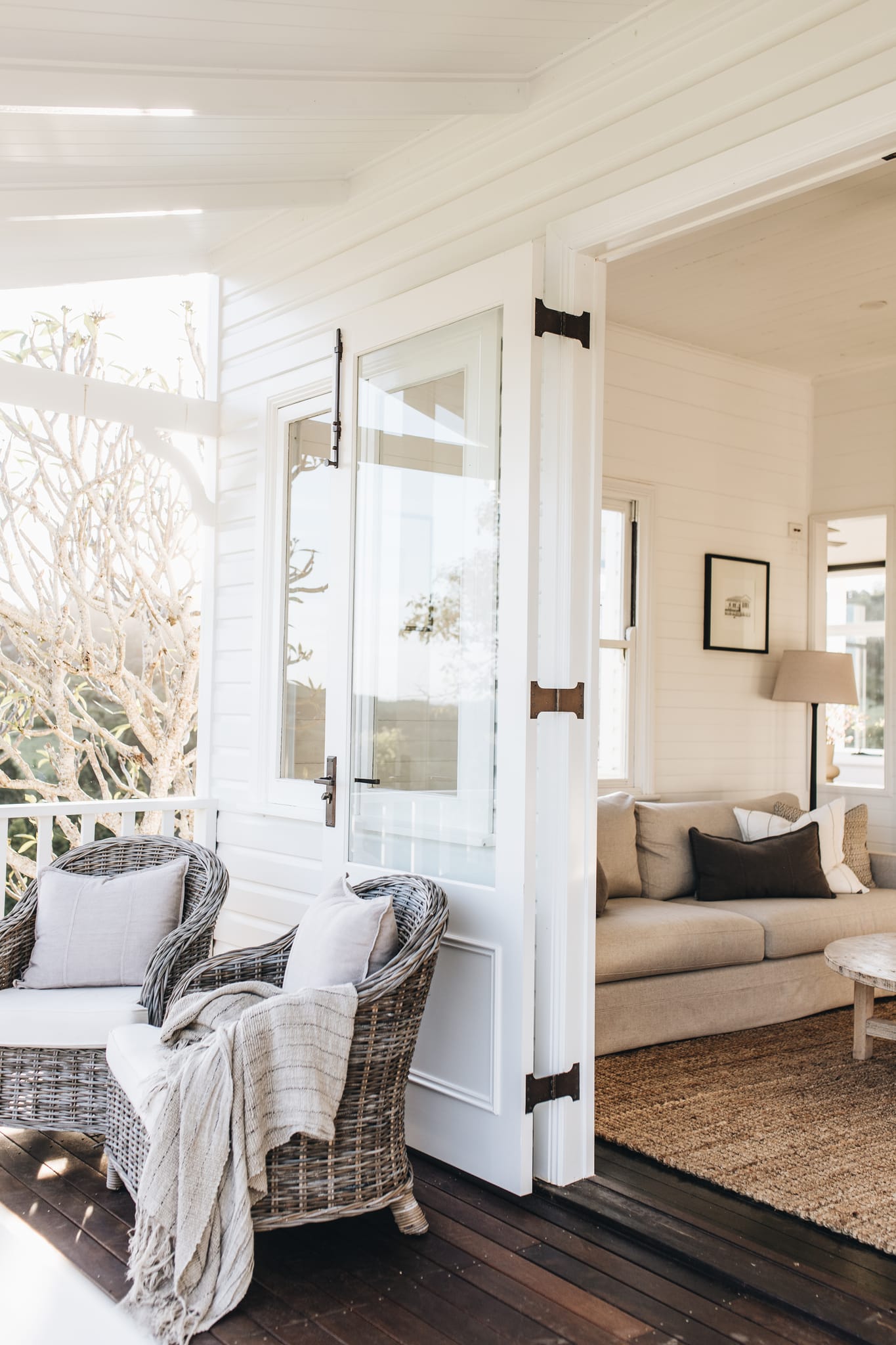
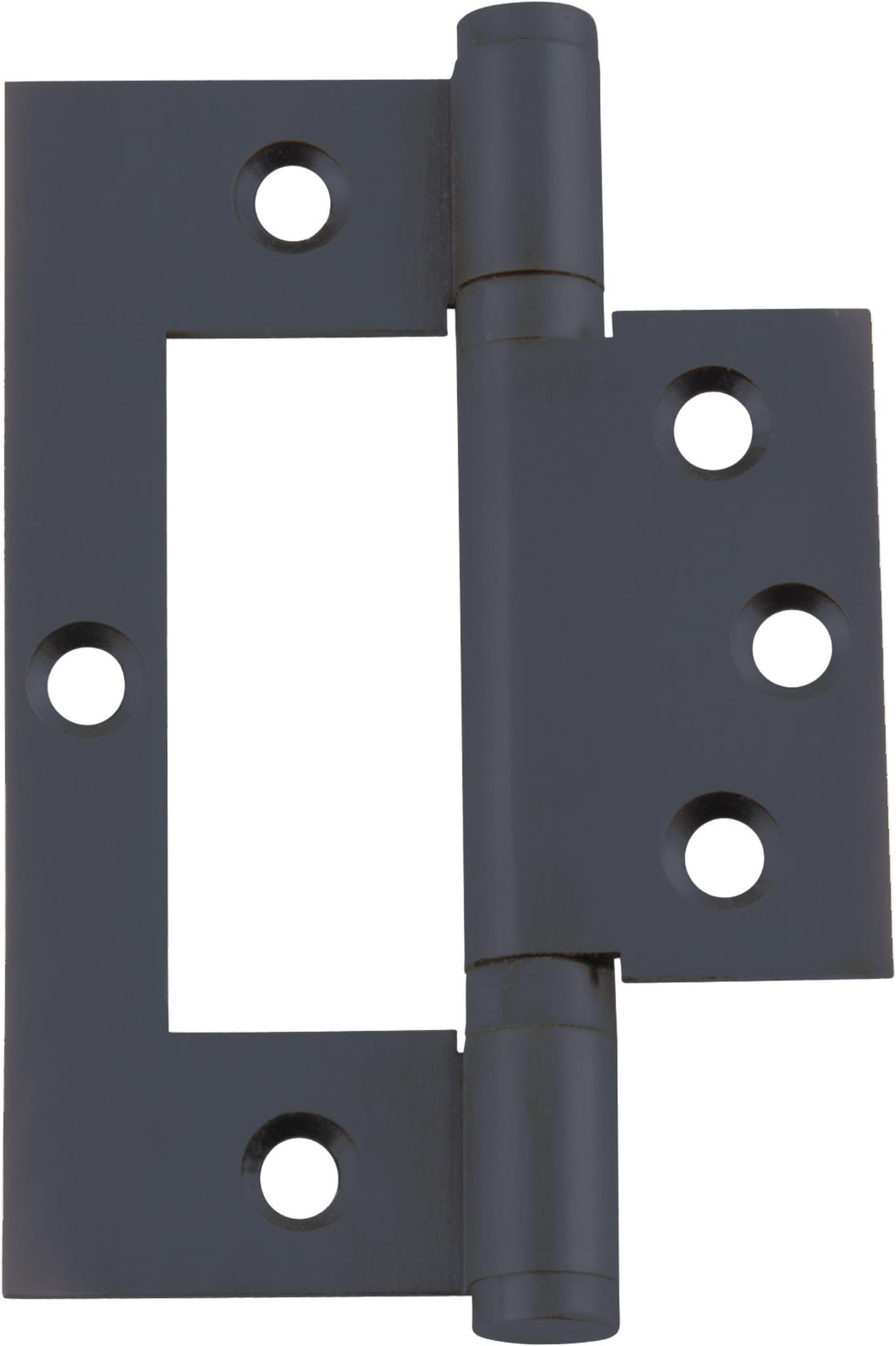
Broad Butt & Parliament Hinges
Broad Butt Hinges, or their more traditional counterpart, the Parliament Hinge, give wide-throw doors such as French or double doors the extra clearance needed.
Suits: French and double doors
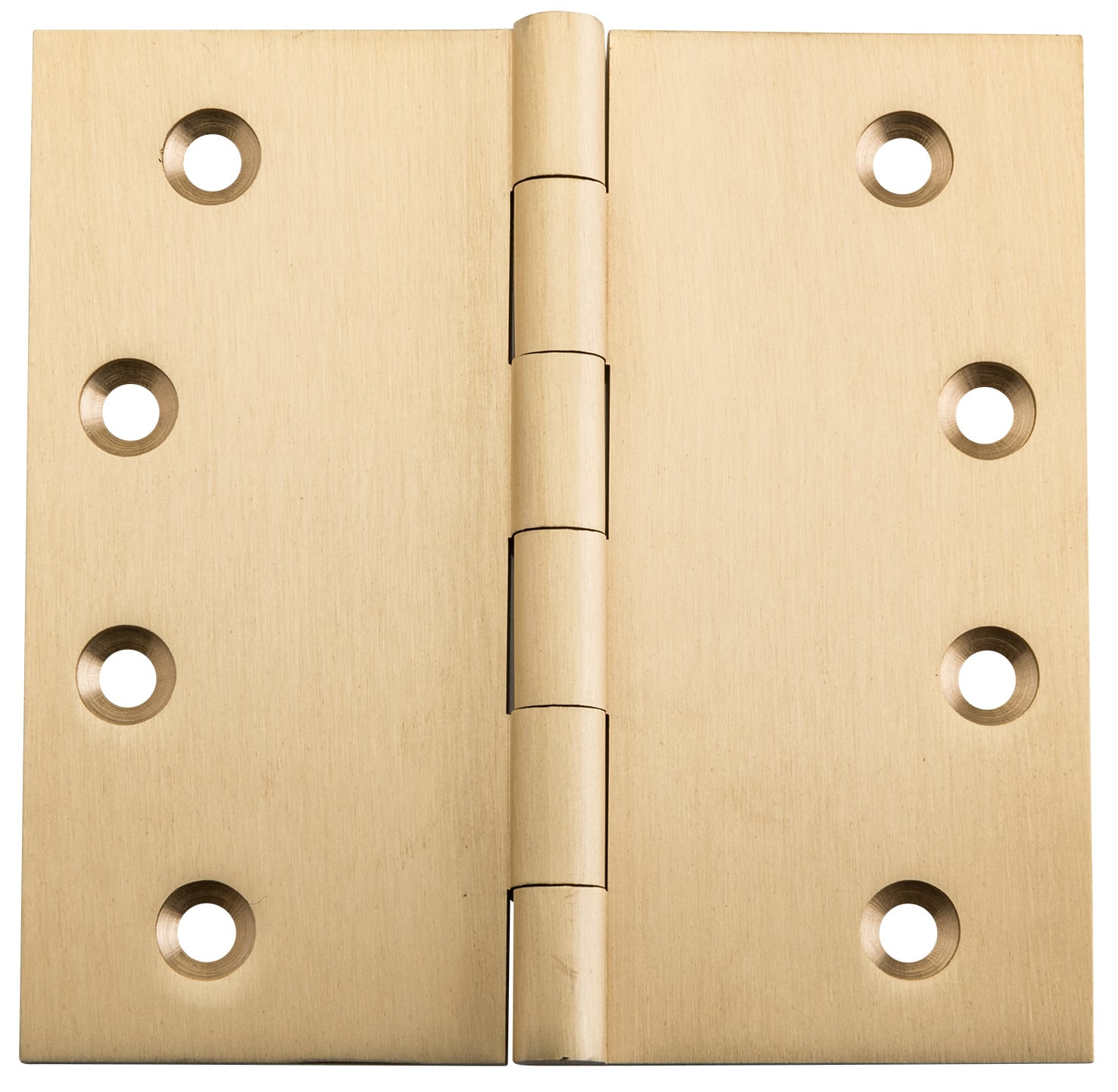
Fixed Pin Hinges
Fixed Pin Hinges are a good fit for internal or external doors that aren’t too heavy.
Suits: Internal and external doors of standard weight
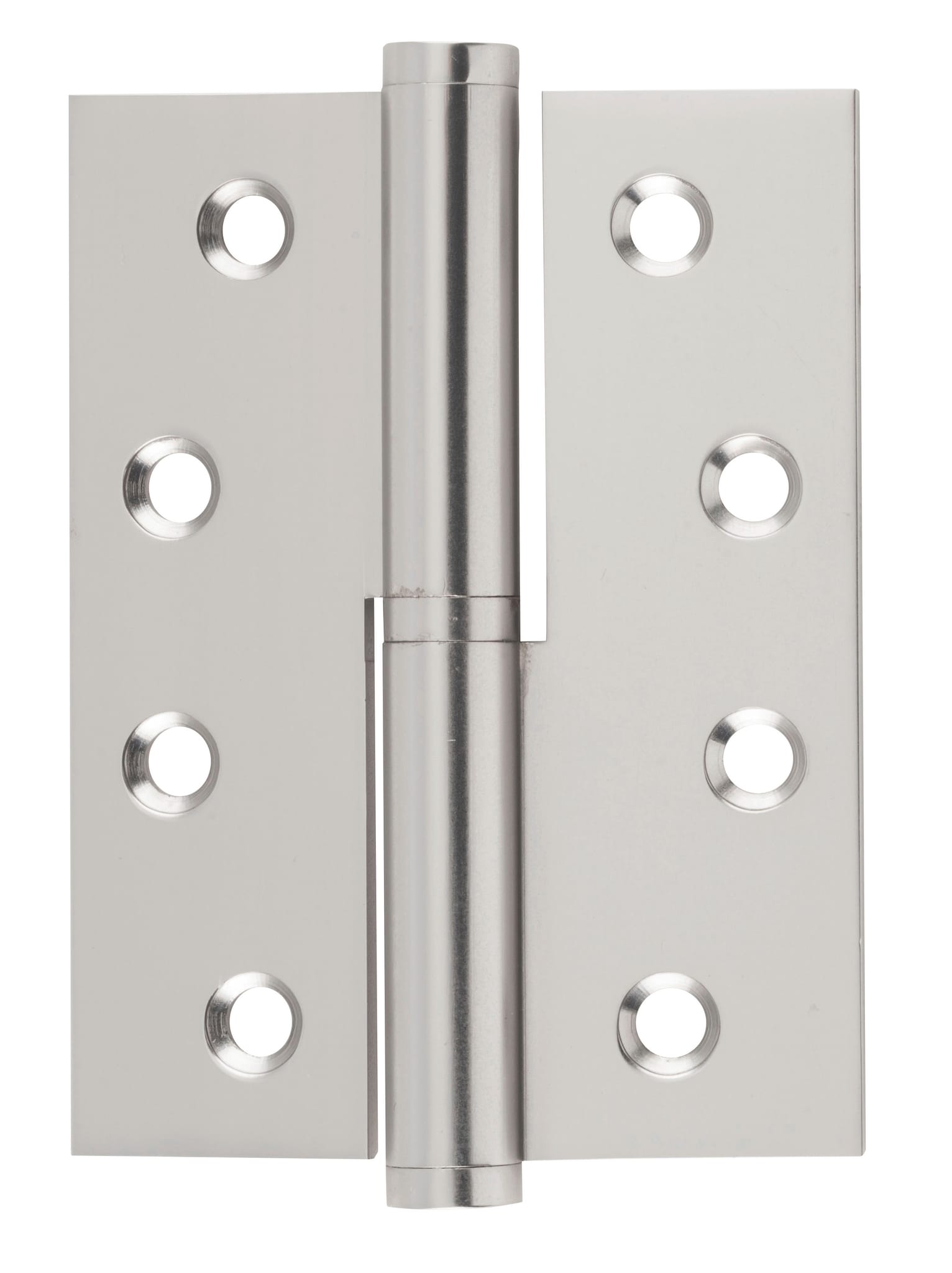
Lift-Off Hinges
Lift-Off Hinges are ideal for toilet and bathroom doors that need to come off easily.
Suits: Toilet and bathroom doors
Step Four: Select Your Accessories
Accessories should suit the same era and finish as your lever or knob. Knockers, bells and centre door knobs complete the front entrance; door stops and bolts protect the doors you’ve just hung; and lock components like euro cylinders, escutcheons and privacy turns support the hardware you’ve already chosen.
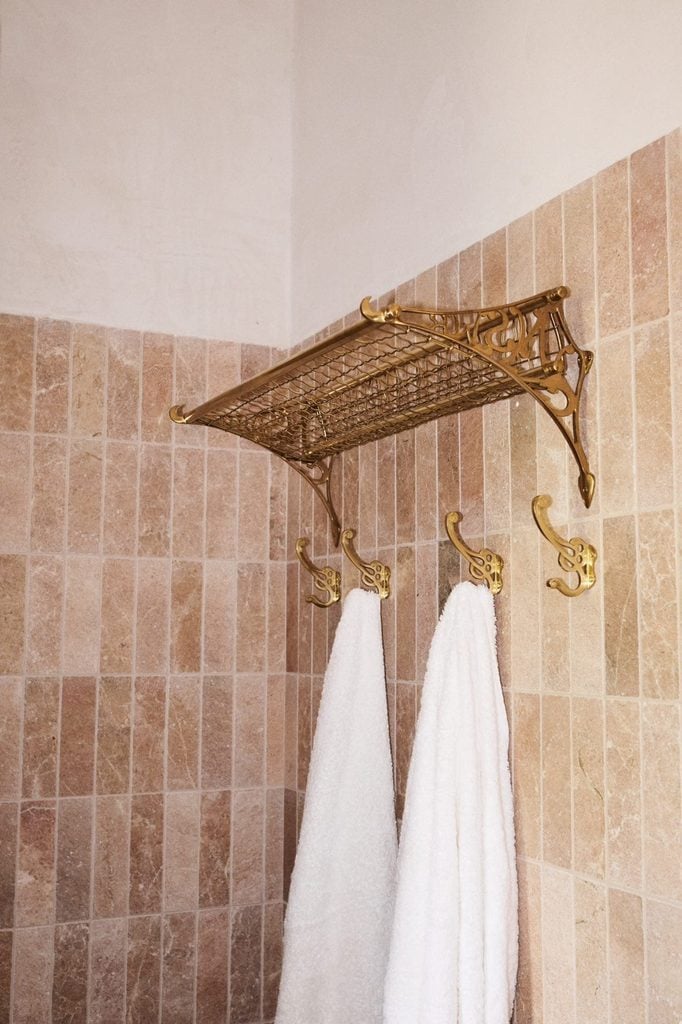
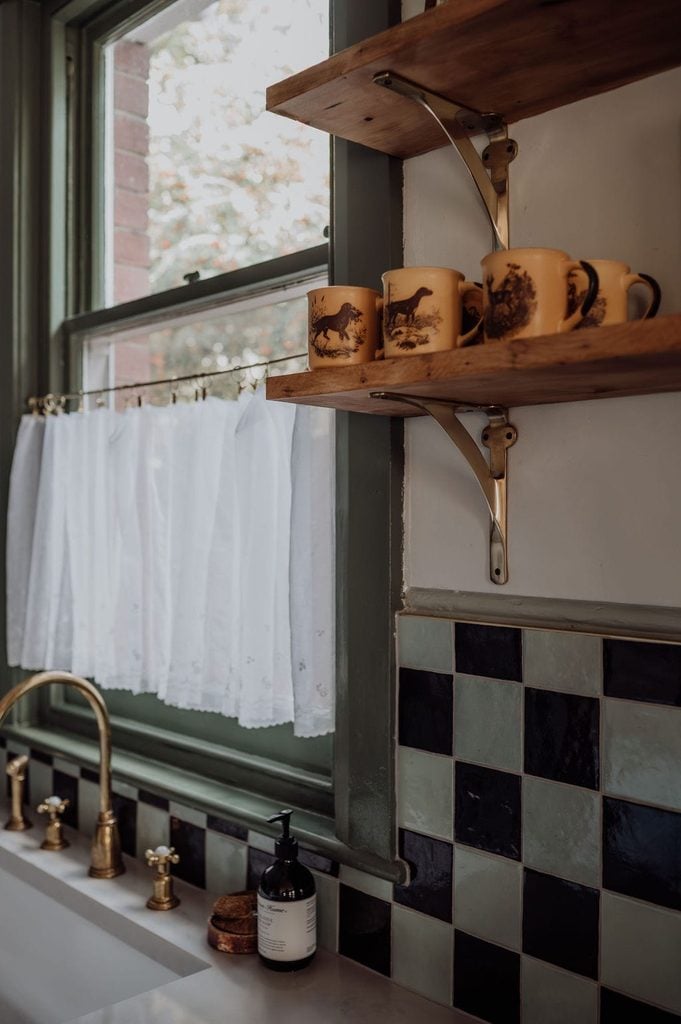
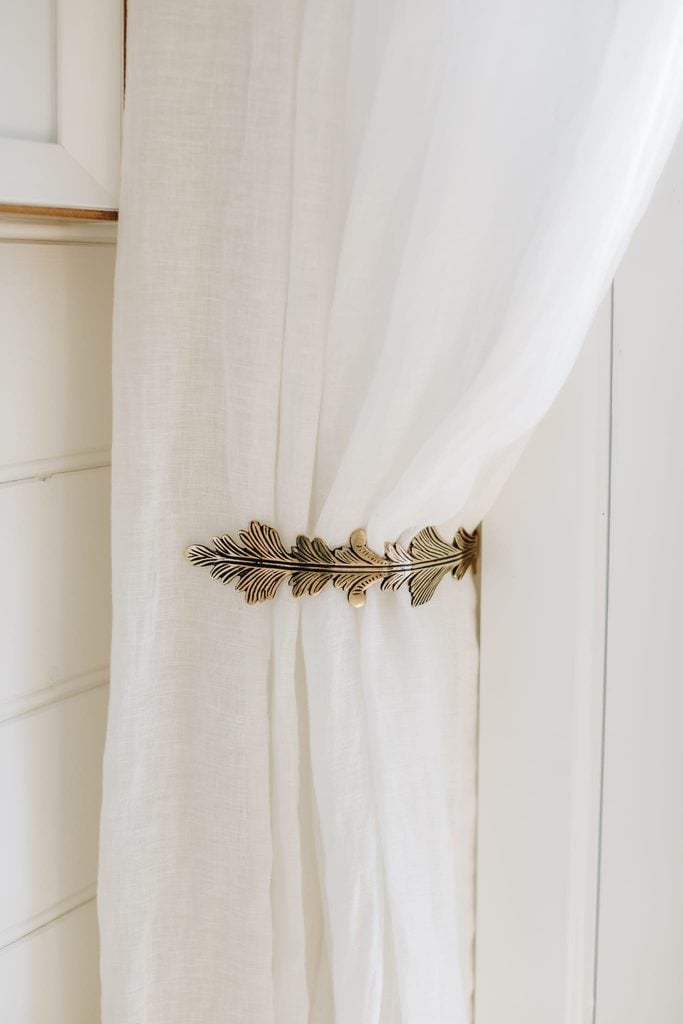
From there, it’s worth carrying the same finish through the rest of the home. Our Home Fixtures & Fittings range covers the smaller details that are easy to overlook, from letter plates, numerals and door bells to curtain fittings, robe hooks and cabin hooks. For windows, our Window Fittings & Bolts range includes sash lifts, casement stays and fasteners, and fanlight fittings to match your door hardware. And our Light Switches & Sockets range, along with cabinetware for the kitchen or bathroom, can be matched to most lever and knob finishes, so one finish carries through from the front door to the cupboard handle.
For more on the small details that pull a restoration together, read The Finishing Details: Period Hardware You Didn’t Know You Needed on our journal.
Step Five: Install Your Hardware
Choosing the right hardware is only half the job: fitting it properly is what makes it last. For the best result, we recommend having your hardware installed by a licensed professional, such as a carpenter or locksmith. This matters most for mortice locks, rebated doors and anything that affects your home’s security.
If you’d like to understand the process or brief your installer, our Video Guides cover installing mortice locks, tube latches, privacy bolts and euro lock furniture, including rebated doors, step by step. Our Instructions & Templates page has printable fitting instructions and drill templates for locks, latches and strike plates. Our Guides page and Finish Care Guide cover everything from choosing the right lock to caring for your finish long after installation.
Whatever era your home belongs to, and however far along your restoration is, we’d love to see how it comes together. Tag us on Instagram at @tradco_architectural_hardware as your restoration progresses. To see the range or place an order, find your nearest stockist on our Where to Buy page.
Frequently Asked Questions
How do I know what era my home is?
Look at the defining features of your home’s façade, roofline and materials, and compare them against our journal series, A Journey Through Australian Architectural Styles. If your home was built in stages or added to over the years, use the era of the original structure as your starting point.
What’s the difference between a Passage, Privacy and Entrance set?
A Passage set suits doors that don’t need to lock, such as hallways and living areas. A Privacy set adds a thumb-turn & emergency release privacy bolt for bathrooms and bedrooms. An Entrance set includes a high-security lock for front doors.
Do TradCo hinges suit external doors?
Yes. Ball Bearing Hinges are designed for solid and hollow core and external doors carrying extra weight, while Fixed Pin Hinges suit lighter internal or external doors. Choose based on your door’s height, weight and thickness rather than its location alone.
Can I match my door hardware finish to my kitchen and window fittings?
In most cases, yes. Most of our core finishes are available across our door, window, cabinet and electrical ranges, so you can carry one finish through the whole home. Check availability by product.