Types of Door Locks for Period Homes: A Restoration Guide
29 September 2026Choosing the right hardware for a home shouldn’t require a locksmith’s vocabulary. But between euro cylinders, rebated locks and skeleton keys, the terminology around door furniture can leave even a confident renovator second-guessing themselves. This guide walks through the main types of door locks for homes, so you can choose with the same confidence you bring to the rest of your restoration.
Door furniture is the collective term for everything fitted to a door to make it functional: handles, knobs, back plates, latches and locks. The lock does the security work; the furniture is how you interact with it day to day. Understanding how the two work together is the key to getting the combination right for each door in your home.
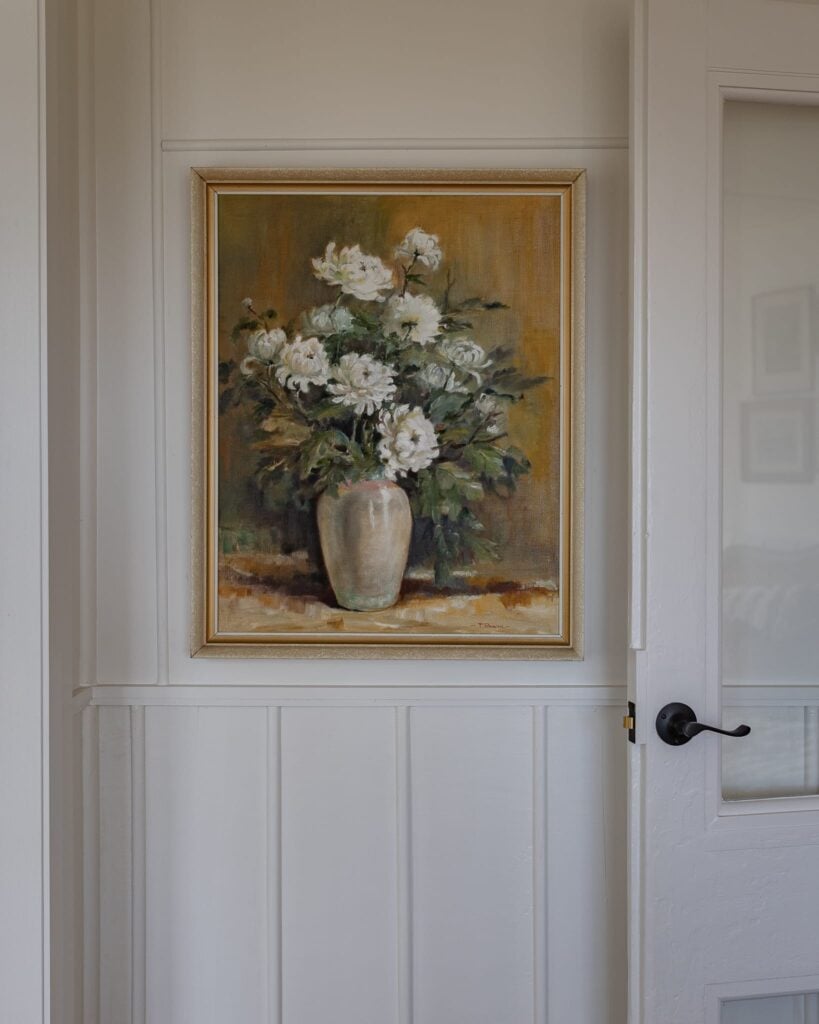
Tube Latches: For Passage Doors
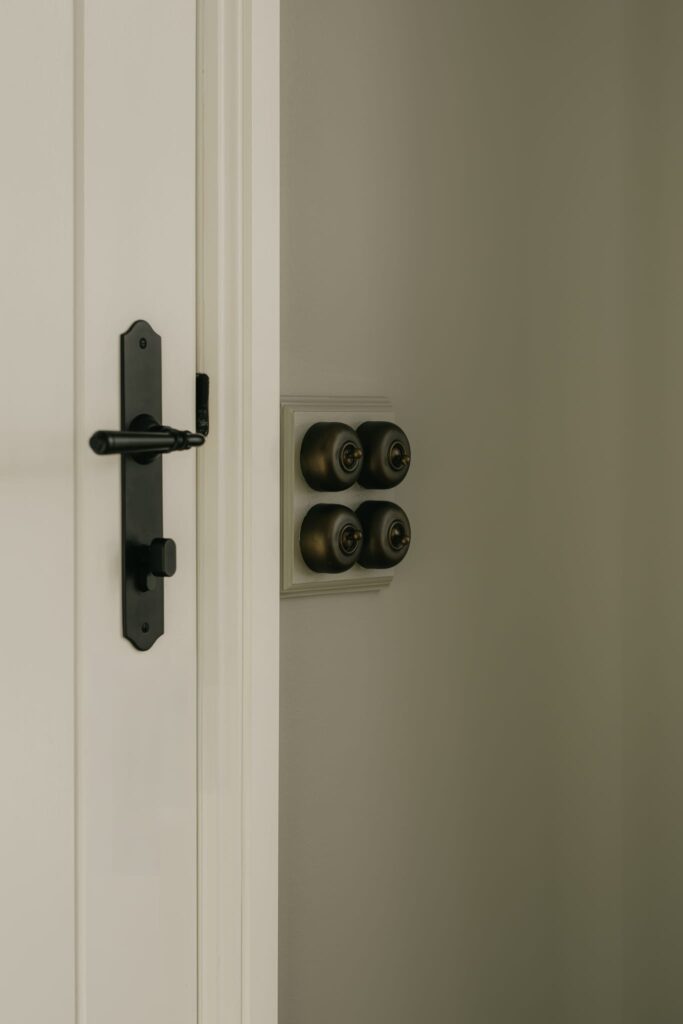
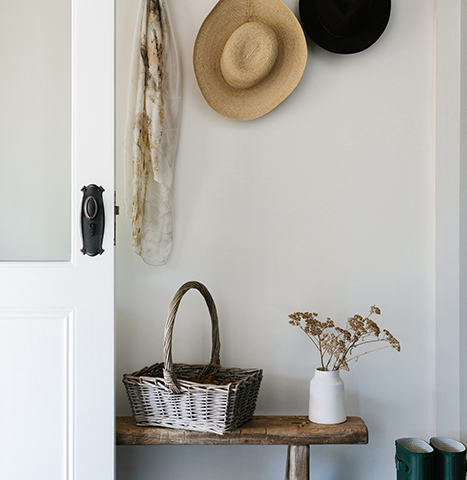
A tube latch is used on doors that don’t need to be locked at all: internal doors where privacy or security isn’t a concern. Latches work with any style of door furniture, whether that’s a long or short back plate, a lever, or a knob on a rose. All you need is a tube latch to make the furniture functional.
Privacy Locks: For Bedrooms and Bathrooms
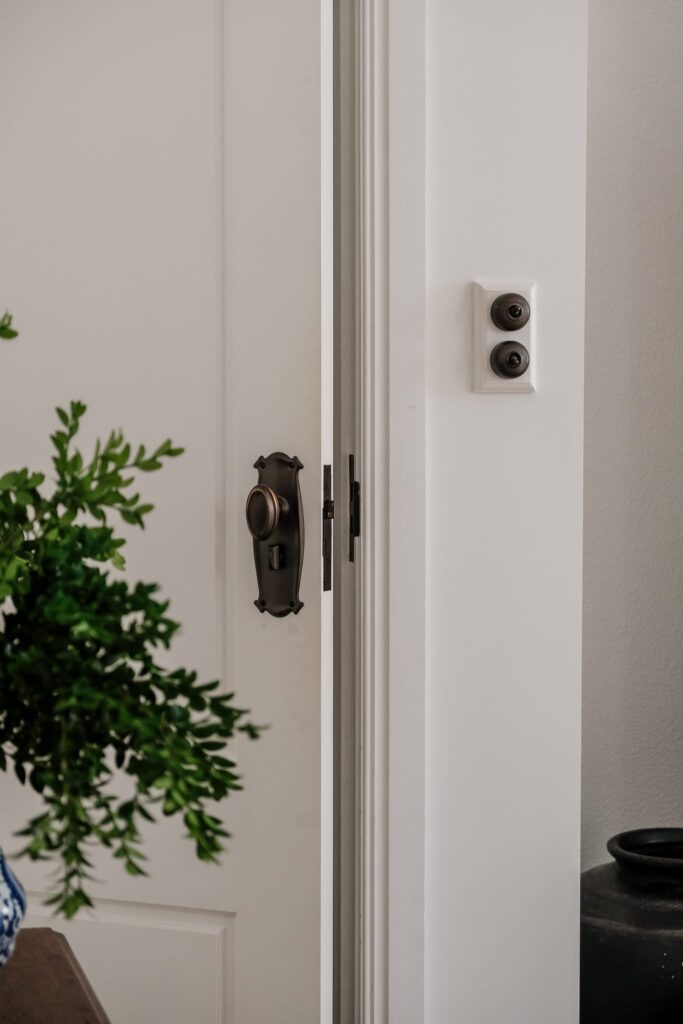
Designed for doors that need occasional privacy rather than full security, privacy locks have a thumb turn on one side and a safety release on the other, so the door can always be opened from outside in an emergency. Look for door furniture marked with a “P” (for privacy) to identify suitable options.
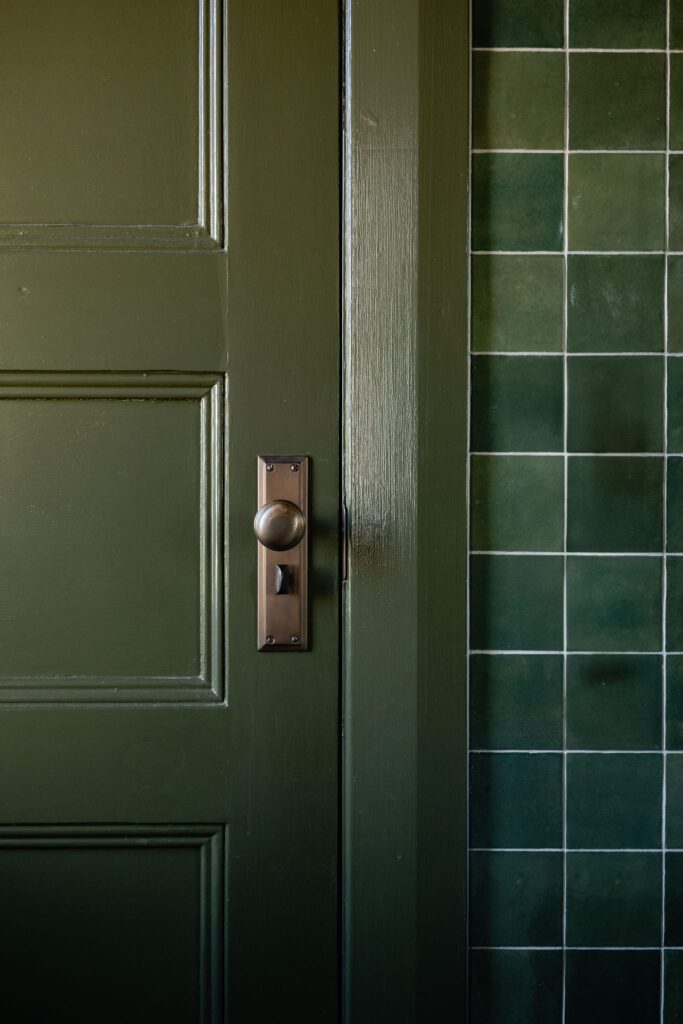
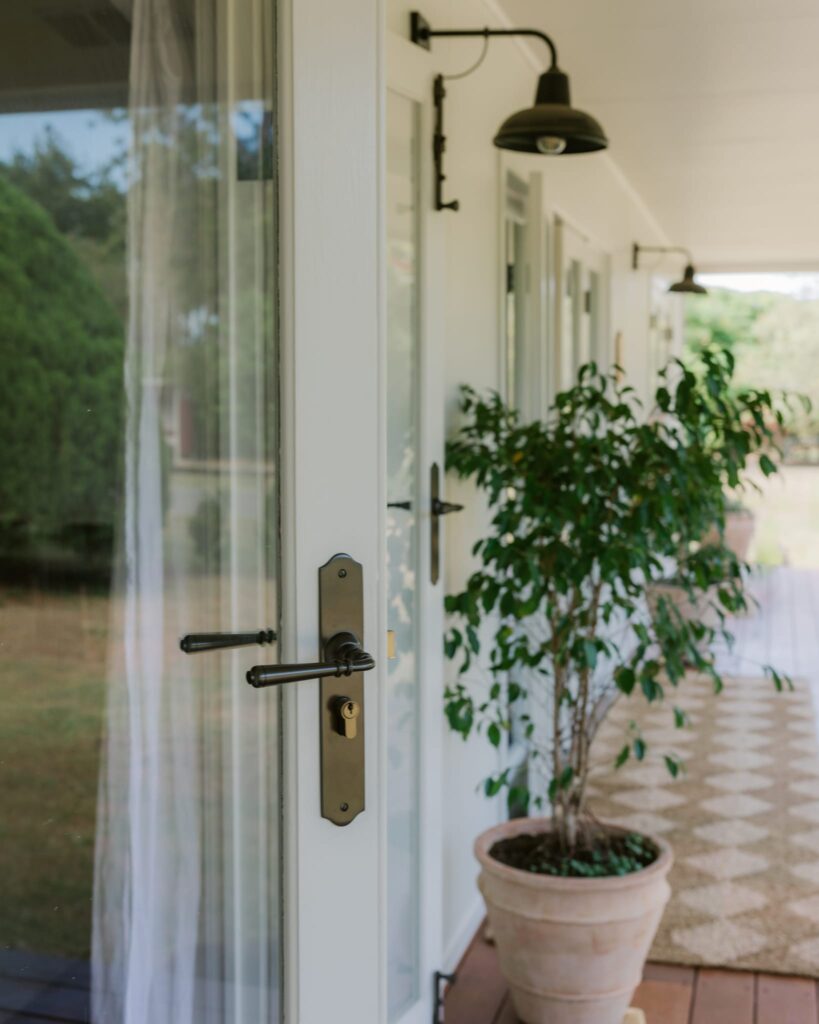
Euro Locks: The Standard for External Doors
Euro locks are the high-security option for any door leading to the outside of the home. They pair with door furniture labelled with an “E” (for euro) and require a euro cylinder, available as either double-ended (a key operates both sides) or thumb-turn (key outside, thumb turn inside). Euro cylinders can be keyed alike across multiple doors and are easily rekeyed by a locksmith if needed.
Skeleton Key Locks: Traditional Security for Period Homes
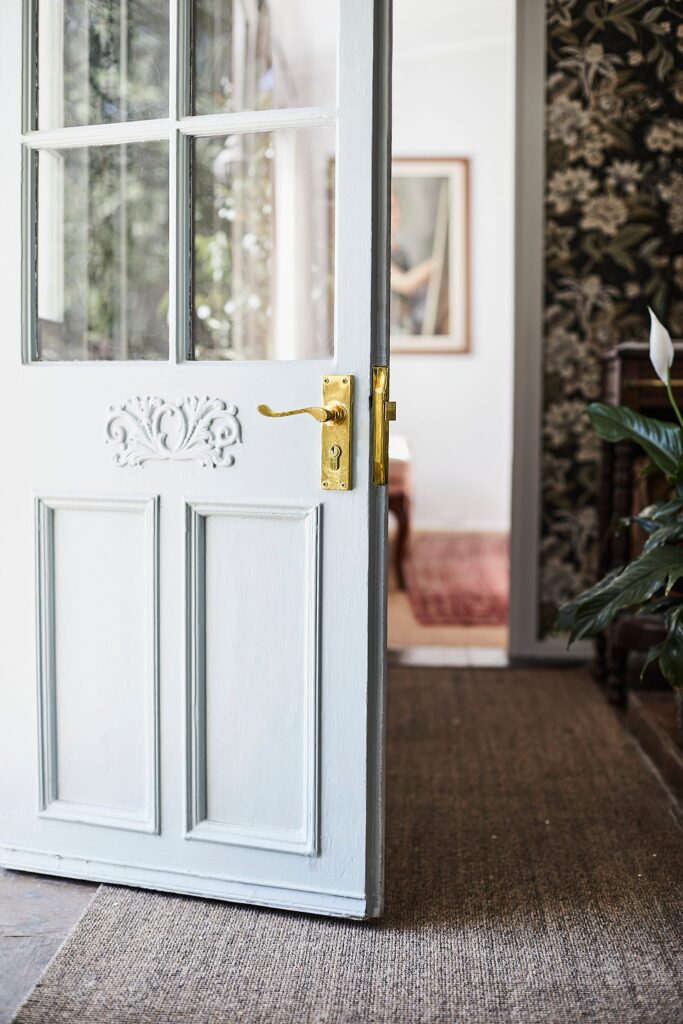
For homeowners restoring a period property, skeleton key locks offer the same level of security as euro locks but in a form that suits traditional architecture. They come in two grades: 5 lever (high security, for external doors) and 3 lever (lower security, for internal use). Five lever locks also include an anti-pick curtain and reinforced steel pins for extra protection. Both are supplied with the “skeleton” key associated with heritage hardware, and are suitable with any door furniture labelled “Lock.”
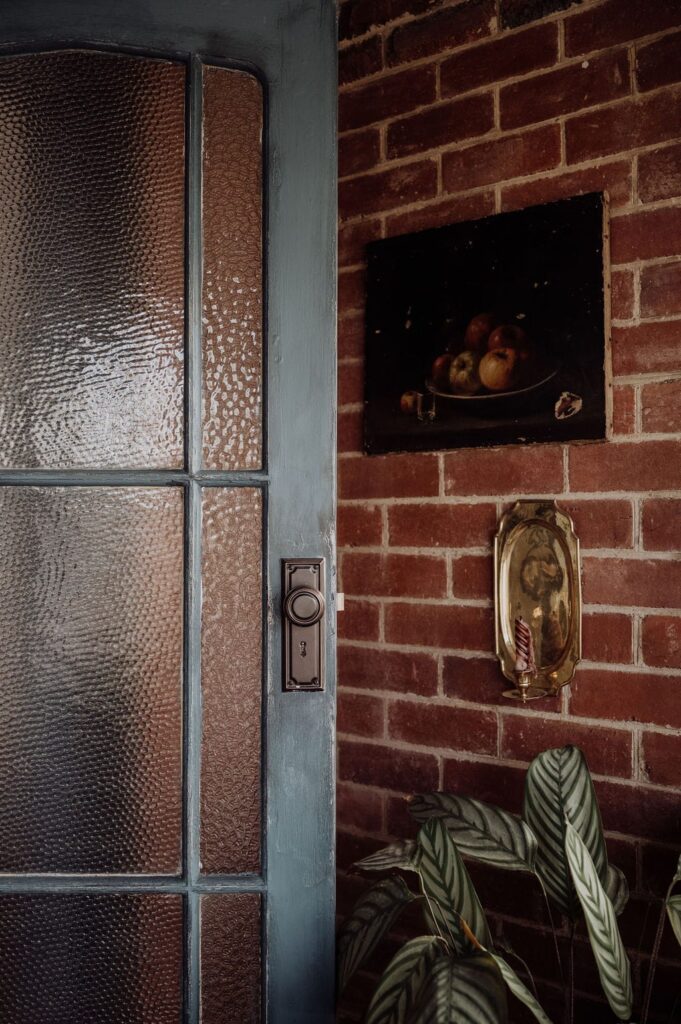
Rebated Locks: Built for French Doors
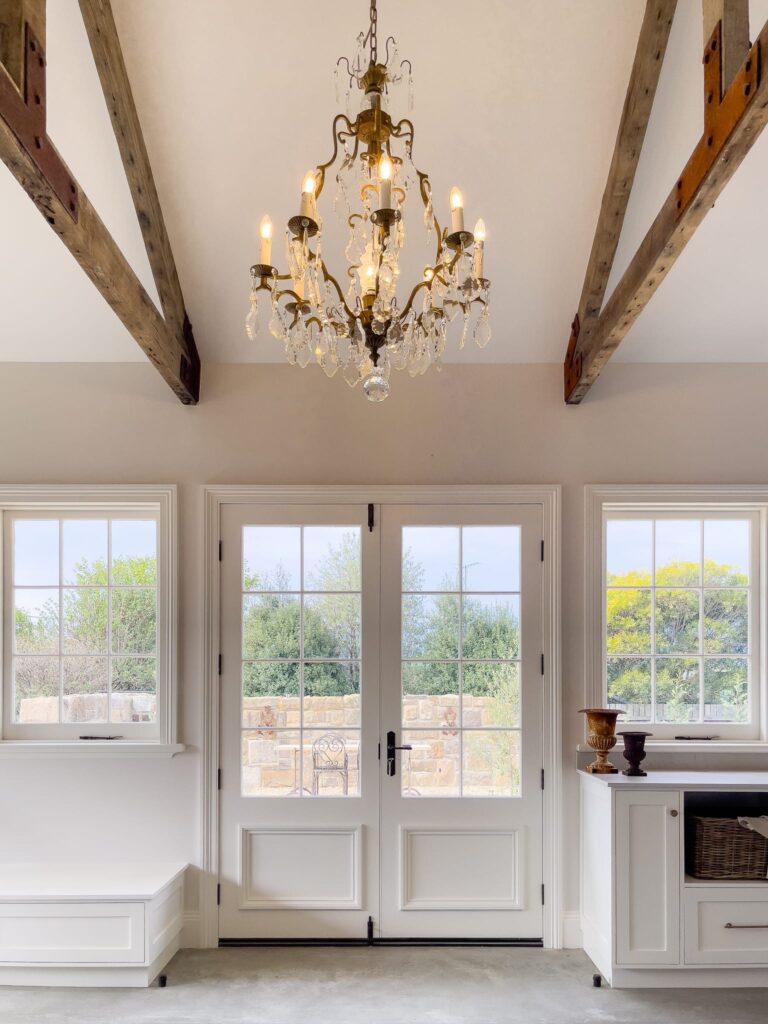
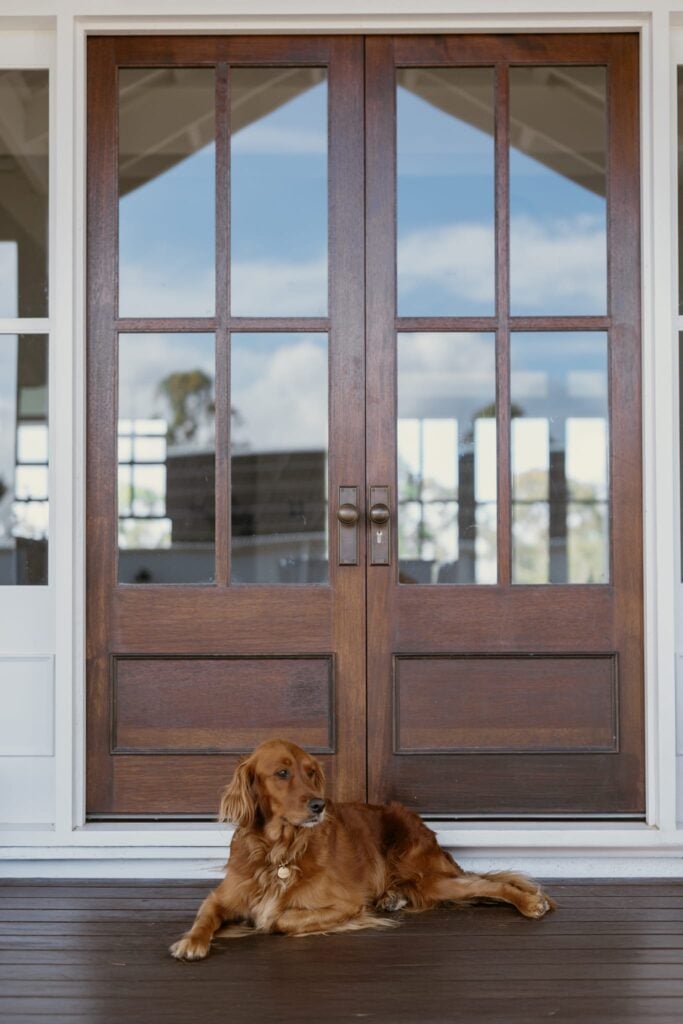
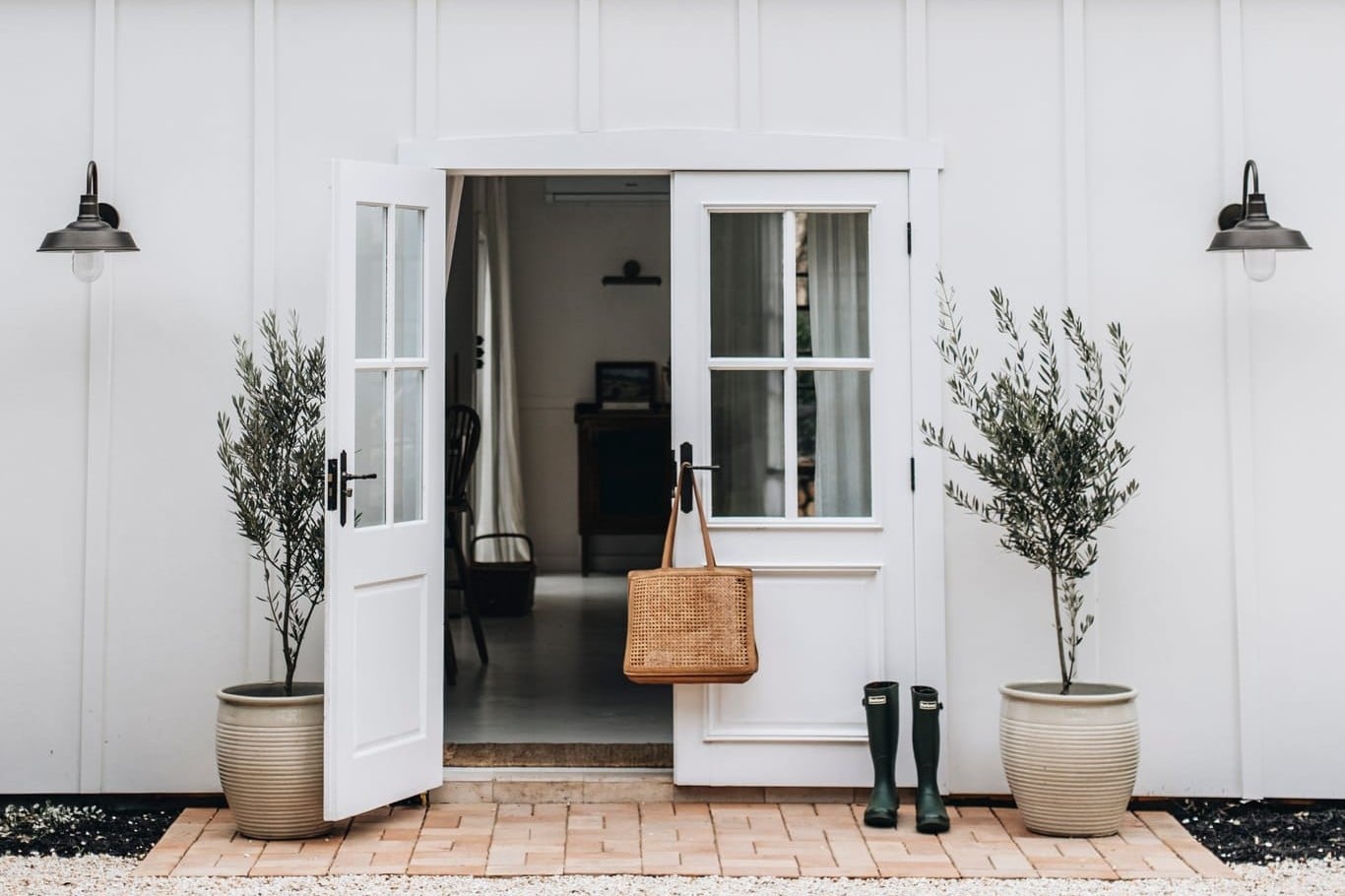
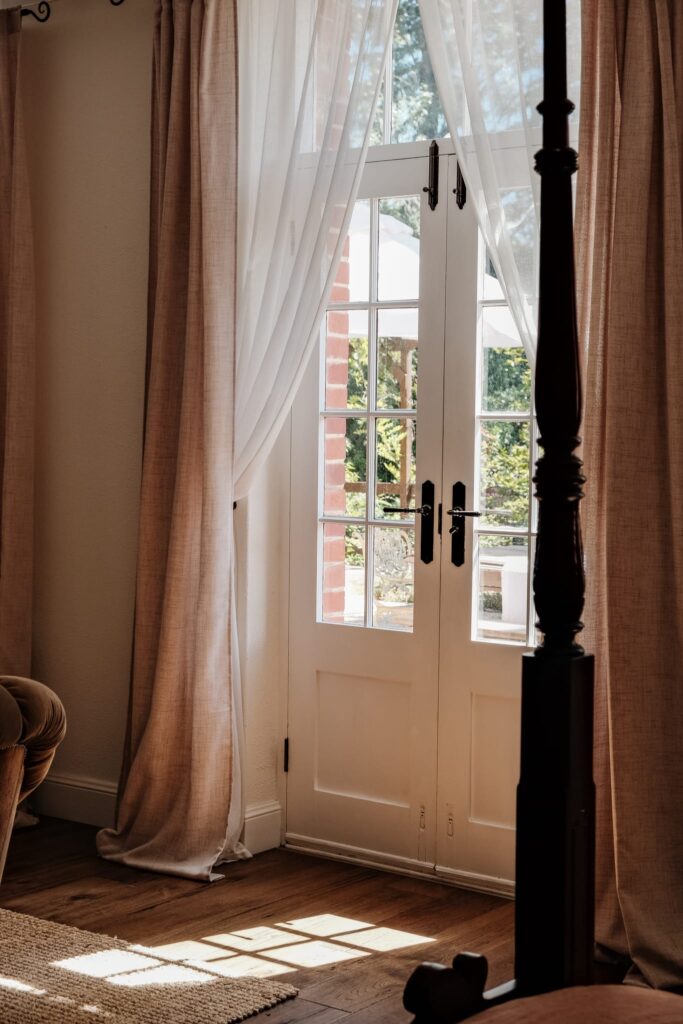
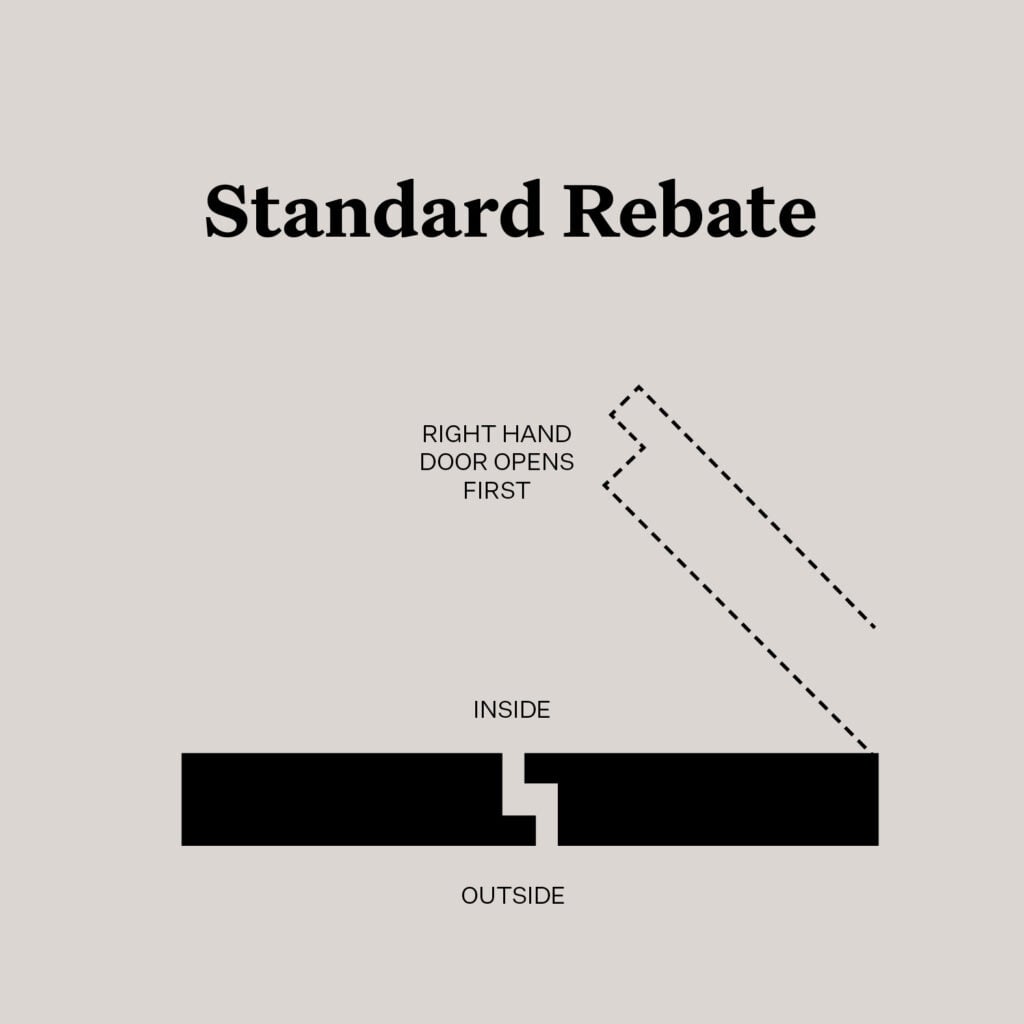
Rebated locks solve a specific problem: a pair of doors closing into each other, rather than into a standard door frame, commonly known as French doors. TradCo’s rebated locks have a 13mm rebate built into the face plate and striker to accommodate this. They’re available in euro or skeleton key formats, or as a rebate kit fitted to a tube latch.
Explore our Rebated Locks for French Doors
Rim Locks: A Traditional Surface-Mounted Option
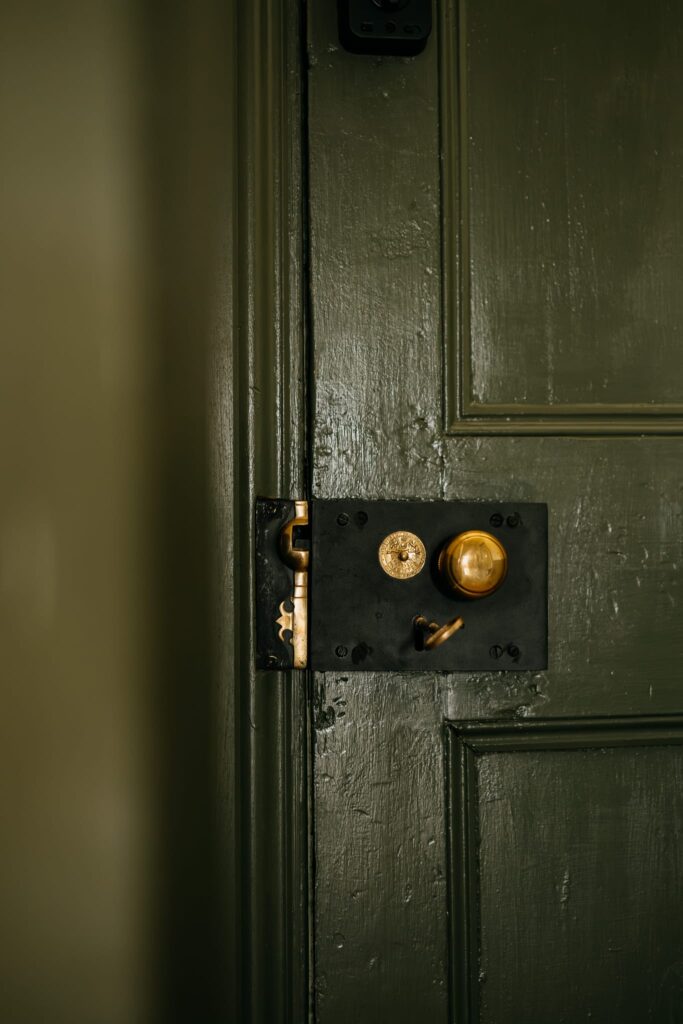
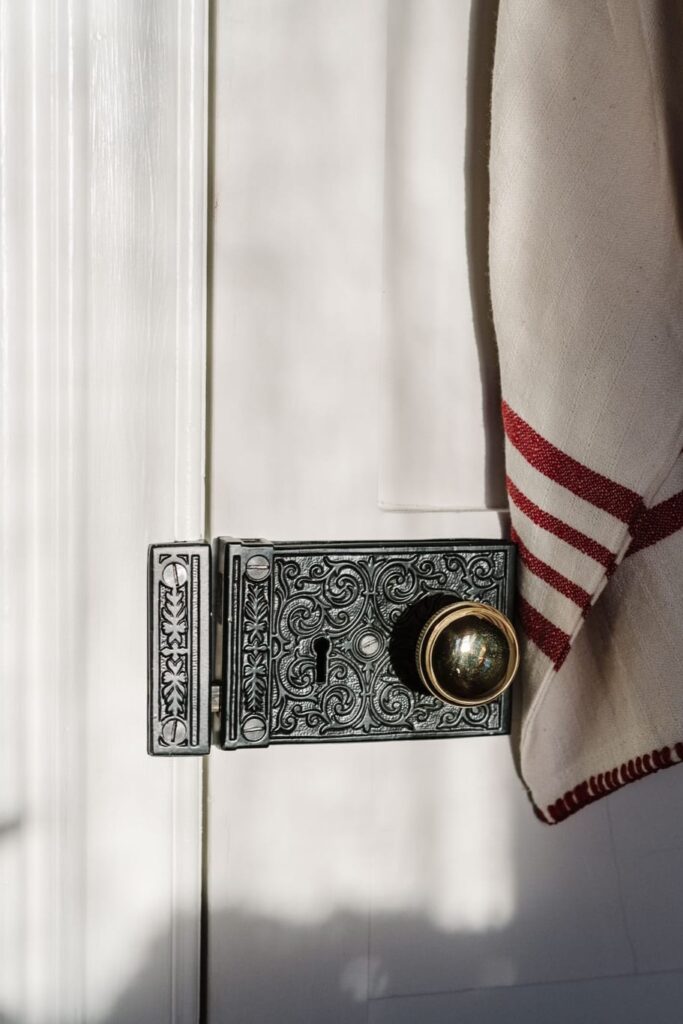
Rim Locks are a lower-security option that screw to the face of the door, rather than morticing into it. They require mortice knobs with a threaded spindle, which screw onto the lock itself and are secured with grub sizes, and an escutcheon to conceal the keyhole on the opposite face. Rim locks are installed on the inside face of the door and suit inward-opening doors only. They aren’t compatible with rebated doors.
Choosing the Right Backset: Door Stile Explained
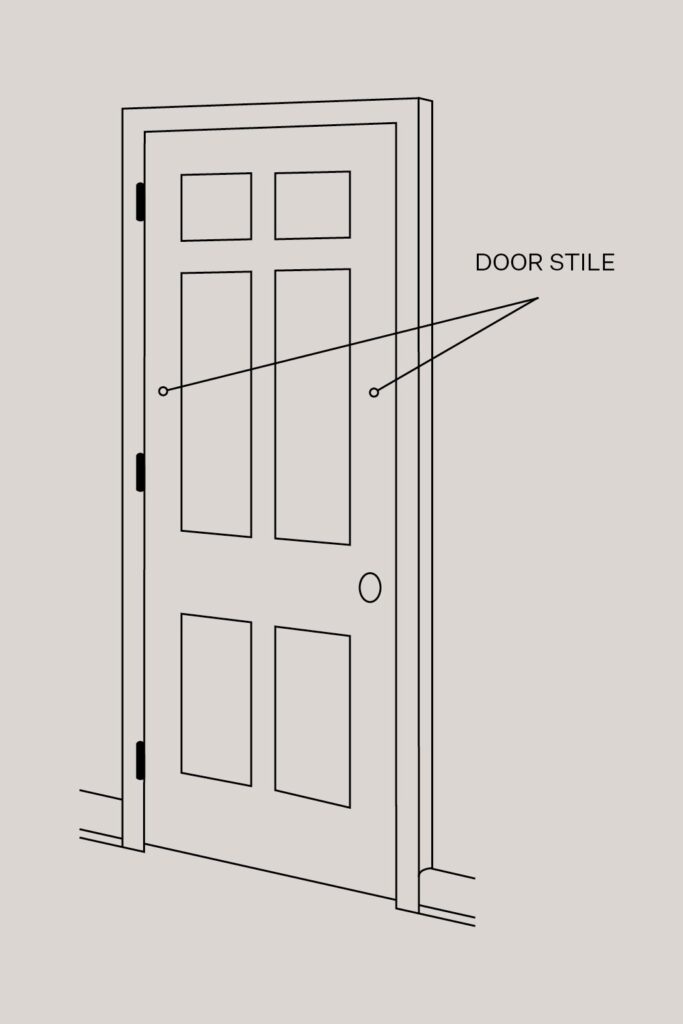
The door stile, the vertical edge of the door where the lock sits, determines which backset your mortice lock will need. As a general rule, doors with a stile of 110mm or greater take a 57mm backset lock (TradCo’s standard for both 5 Lever and Euro mortice locks), while doors with a stile of 90mm or less take a 46mm backset. If your door’s stile falls between the two, either lock will fit, though it won’t sit perfectly centred. The same measurements apply to rebated locks on French or double doors. If you’re replacing an existing lock, the simplest approach is to remove it, measure it, and compare it against TradCo’s range online.
Matching the right lock to the right door is easier once the terminology makes sense, and it’s worth getting right, since the lock you choose determines which door furniture will actually fit. TradCo’s full range of latches, locks and door furniture is available at tradco.com.au, along with fitting guides and instructional videos for each option covered here.
Frequently Asked Questions
What’s the difference between a mortice lock and a rim lock?
A mortice lock is recessed into the door itself; a rim lock is mounted to the door face. Mortice locks generally offer higher security and a broader range of door furniture compatibility.
Can a skeleton key lock be used on an external door?
Yes. A 5 lever skeleton key lock offers the same security rating as a euro lock and is a popular choice for period homes where a traditional key hole suits the era of the house.
What’s the difference between a 57mm and 46mm backset?
Backset is the distance from the edge of the door to the centre of the lock. A 57mm backset suits doors with a stile of 110mm or greater; a 46mm backset suits doors with a stile of 90mm or less.