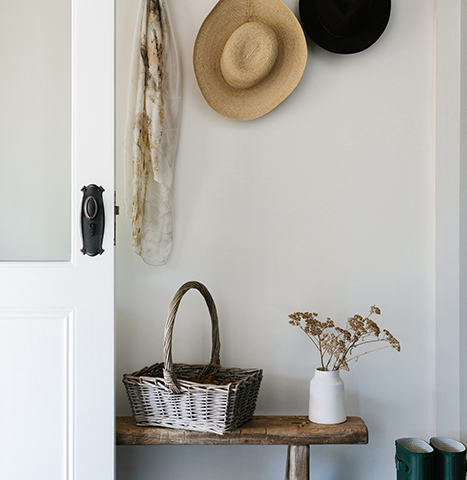

A Journey Through Australian Architectural Styles: Worker’s Cottage (1840s—1930s)

Nowadays Australian worker’s cottages make up some of the most prime real estate in the country, situated in the beating hearts of many suburbs and boasting original features newbuilds can only dream of possessing. But when these houses were built, their place in society was far less aspirational. These were buildings designed to house the workers of local industries: miners, and farm, dock and factory workers, depending on what was nearby. These were not fancy dwellings; they were practical ones.
Worker’s Cottages were usually constructed from weatherboard, particularly in forest-dense regions like Victoria, but examples can also be found in stone and brick. And they were small, a few rooms at best. They were designed for workers and their families to sleep in, but clearly not for them to spend a lot of time in, given these were people who were out grafting long hours at the workplace that often housed them in the first place.
Today, worker’s cottages are celebrated for their quaint charm. Formerly dark rooms have been opened up to grand effect, with extensions added to increase the floorplan, replacing the lean-tos which used to comprise the add-on kitchen and bathroom. One can only ponder what their original inhabitants would think of their homes in their contemporary incarnation; the shining stars of the suburbs.
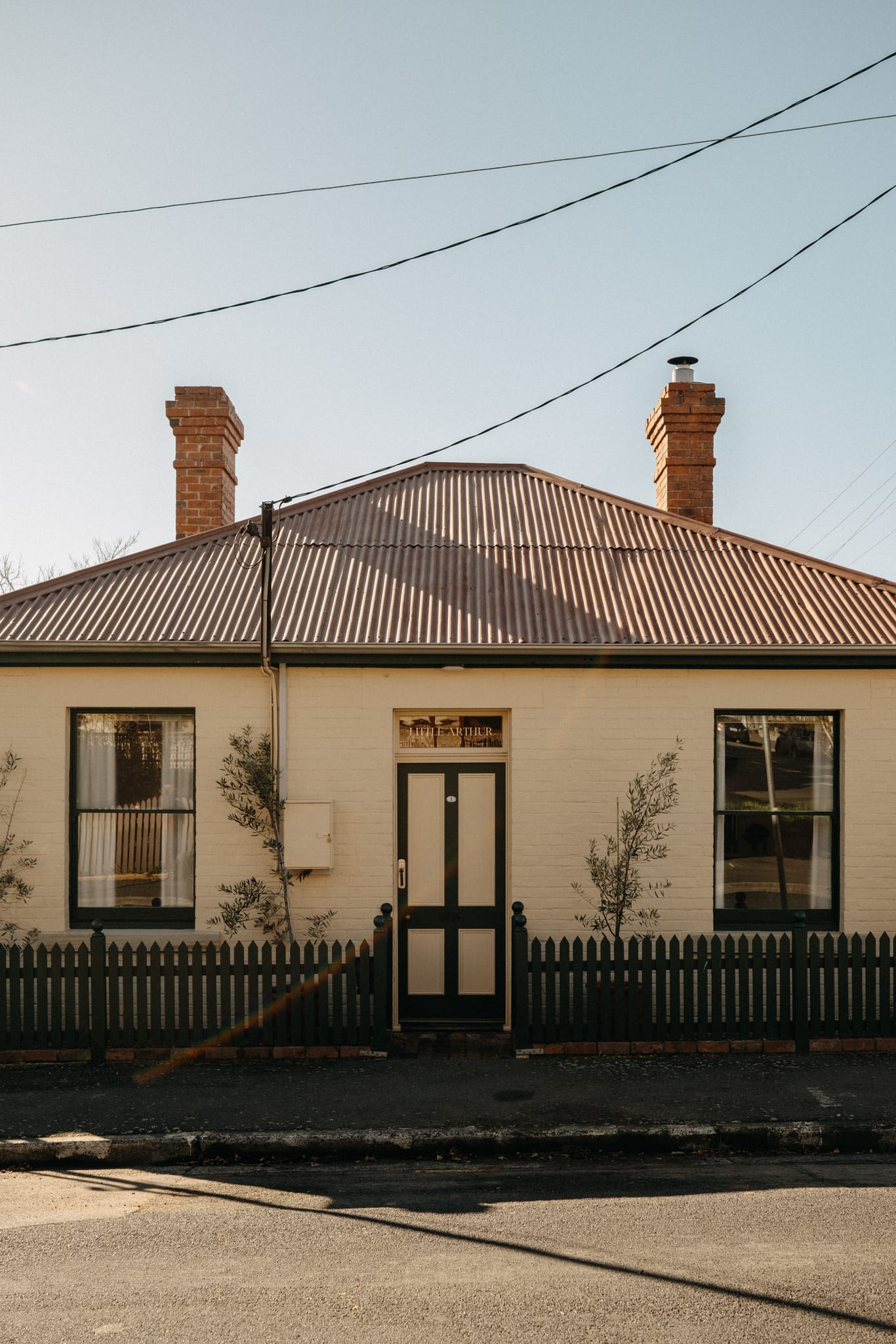
Facade Features of Australian Worker’s Cottages
Built from the around the 1840s until the early 1900s, worker’s cottages have lasted the test of time, despite some being almost two centuries old.
- Timber weatherboard cladding installed against a timber frame. Some were made of stone or brick, but weatherboard was the most common vernacular.
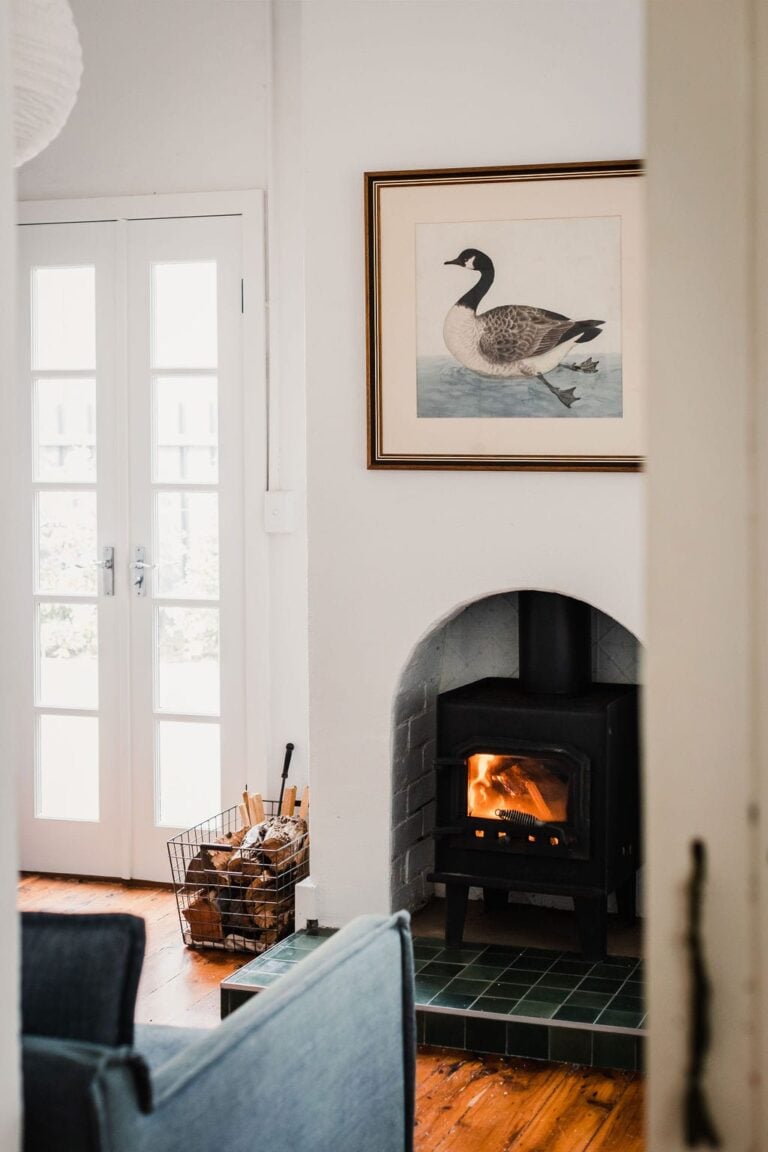
- One or two brick chimneys. Even if the rest of the exterior was wooden, chimneys were made of brick as a fire-safety measure. They offer an aesthetic sense of vigour, and were a way to keep dwellers warm on cold, winter days before electricity was prevalent.
- Small footprint. Usually worker’s cottages average between 45—85 square metres.
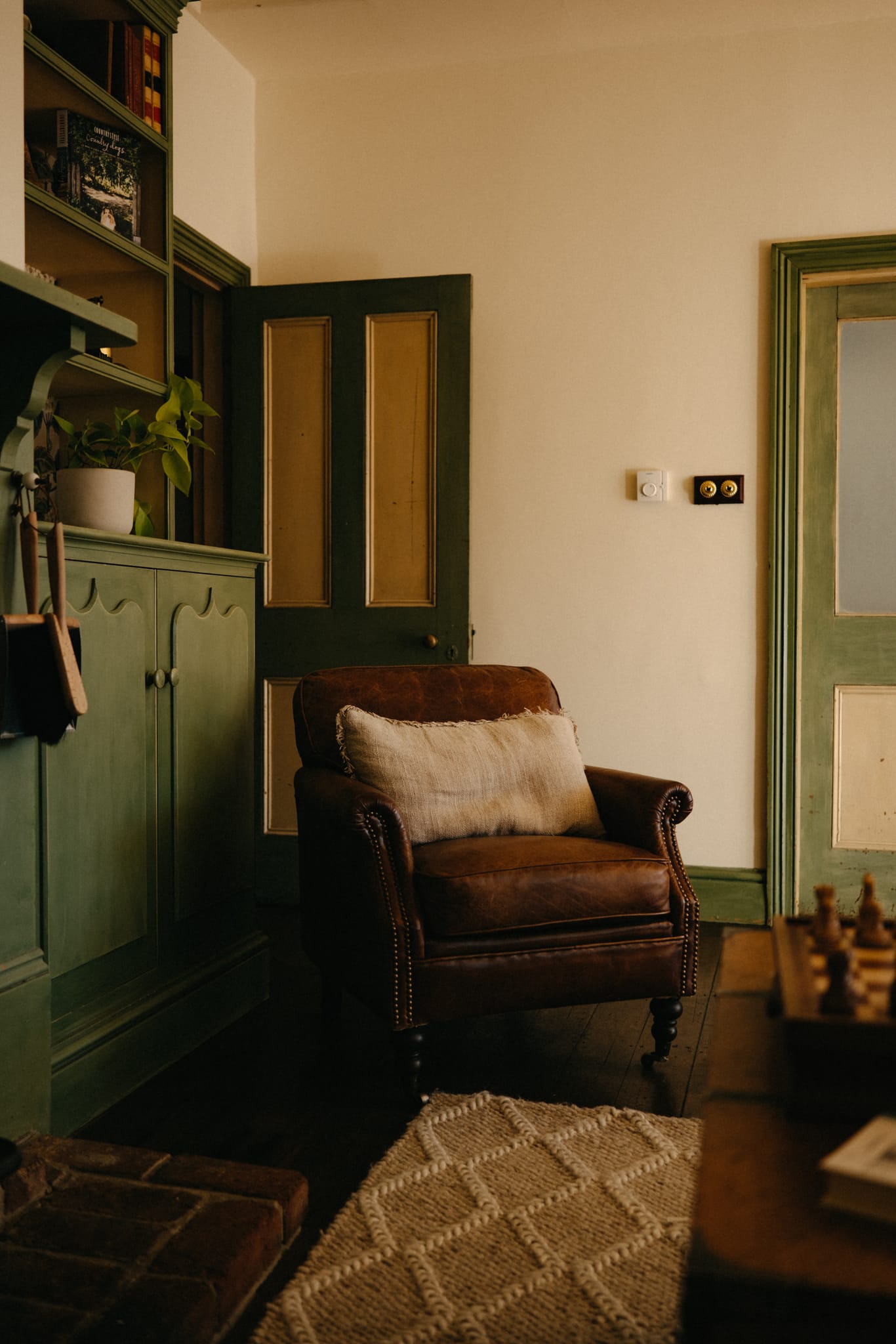
- High ceilings. Despite their small form, worker’s cottage ceilings are often high. These ceilings help keep rooms cooler because warm air rises and collects above head height, leaving the lower part of the room at a more comfortable temperature.
Interior Defining Features of Australian Worker’s Cottages
- Symmetrical façade. The usual layout was a central front door flanked by windows.
- Corrugated roof. It was affordable at the time, and effective, and is now a signature of the Australian worker’s cottage aesthetic.
- Front verandahs lend an element of detail to the otherwise restrained aesthetic of traditional worker’s cottages. Later evolutions boast bullnose verandah roofs, supported by wooden posts and some even decorated with iron lacework.
- Back garden. This is one of the major drawcards of worker’s cottages today: a garden in the city.
Traditional Sockets
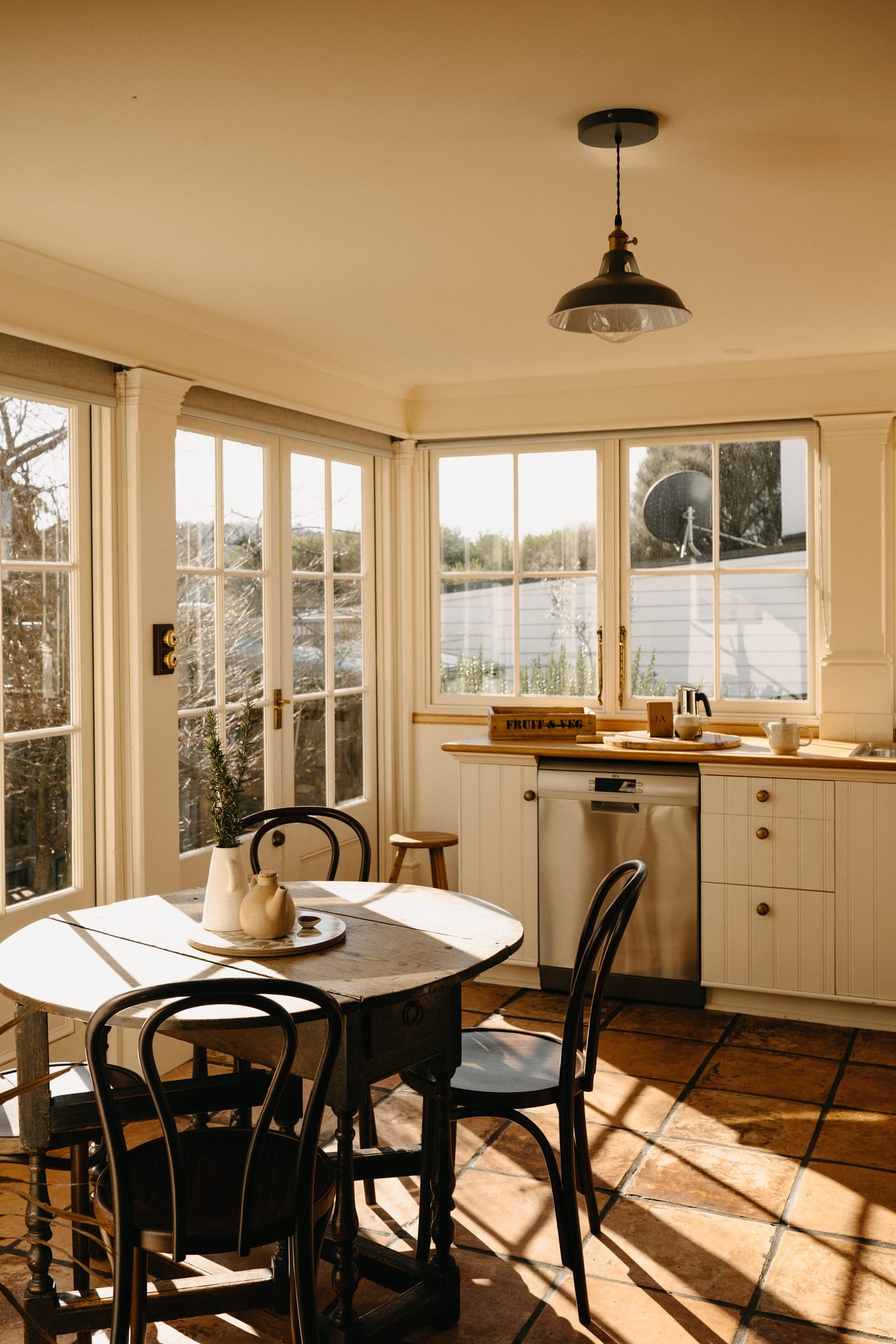
Traditional sockets with brass covers and HPM mechanisms. Matching switches, dimmers and fan controllers also available.
See productTraditional Light Switches
Traditional light switches with brass covers and toggless. Matching dimmers, fan controllers and sockets also available.
See product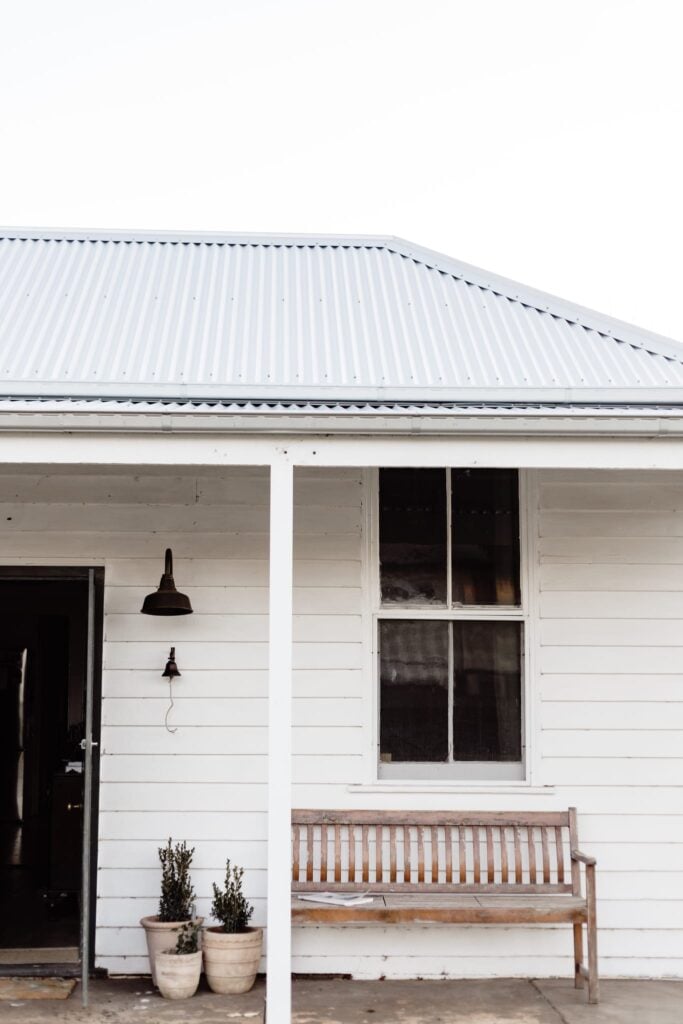
Victorian Lever - Long Backplate
Guided by classic English design in the 19th-century, the Victorian Lever features a graceful profile with an upturned lever that sits upon an unadorned backplate.
See productRestoring Worker’s Cottages with Heritage Hardware
Worker’s cottages were functional buildings. It was their dwellers, rather than their builders, who made them into the cosy homes they became. Hardware was exactly what the word describes: hardwearing. It was function-led and purposeful, even if by today’s standards its elements are considered really rather beautiful.
Selecting the Right Finishes
Choosing finishes reflective of the building’s history will help to ensure worker cottages retain the quiet charm for which they are renowned:
- Wrought or cast iron: This robust material was used abundantly in worker’s cottage design, on elements like Hinges, Sash Lifts, Rim Locks, and Mortice Knobs and locks.
- Brass: Door Knobs were often made from brass, along with sash windows elements like Sash Lifts and Casement Fasteners.
- Timber: In the most affordably-made cottages, timber was used for some of the hardware, such as the door knobs. Adding in vintage style accessories can help to reflect this aspect of the traditional worker’s cottage aesthetic.
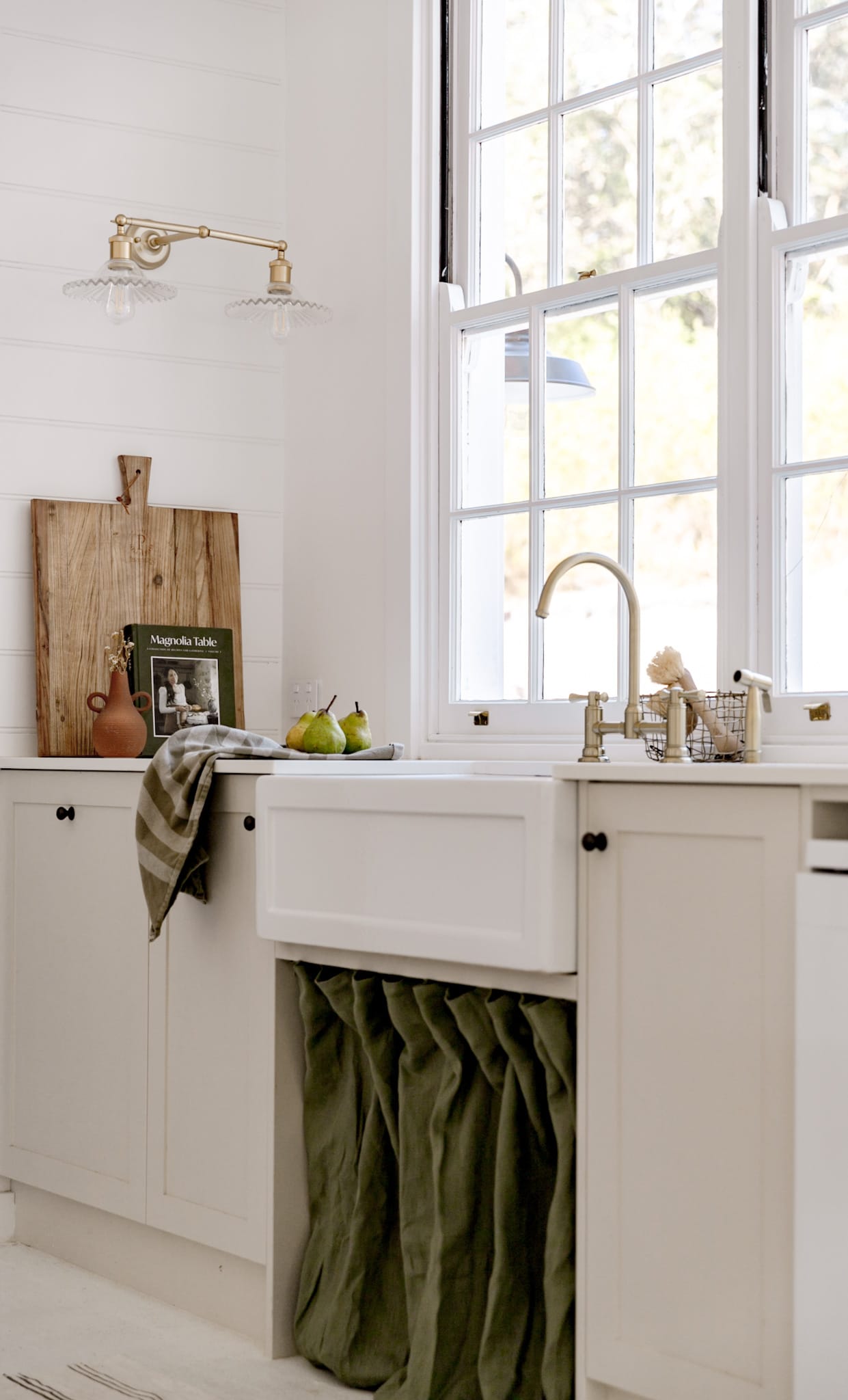
Classic Cupboard Knob - D38xP35mm
Sheet brass cupboard knob with backplate. Available in 4 sizes. knob supplied with face fix wood screw and rear fix bolt.
See productHeritage Hardware for a Worker’s Cottage Restoration
When you choose high-quality, heritage details for period properties, the entire project comes alive with a natural sense of cohesion. Here are some TradCo fittings that honour the history and traditional details of worker’s cottages.
Sash Window Accessories
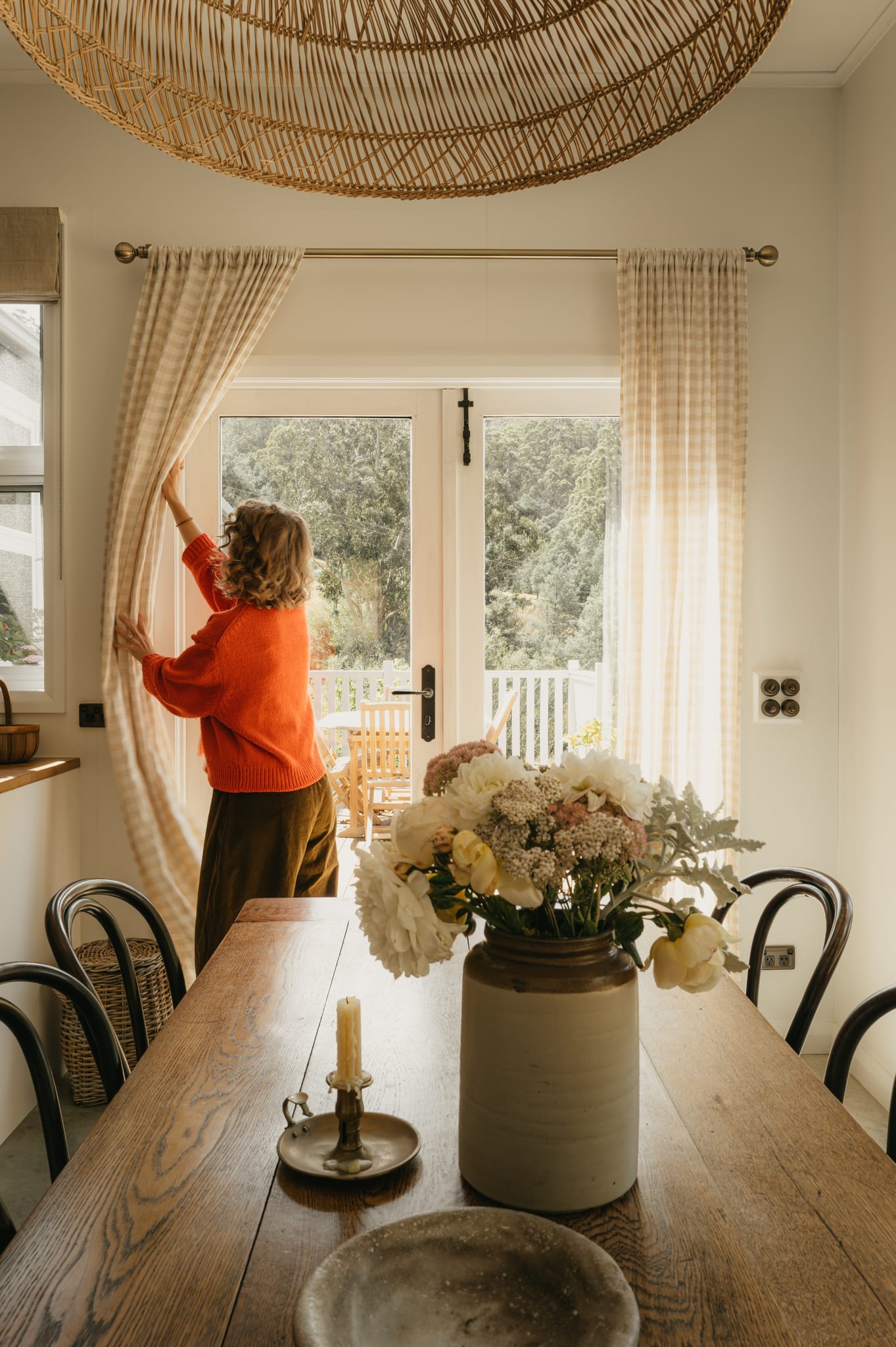
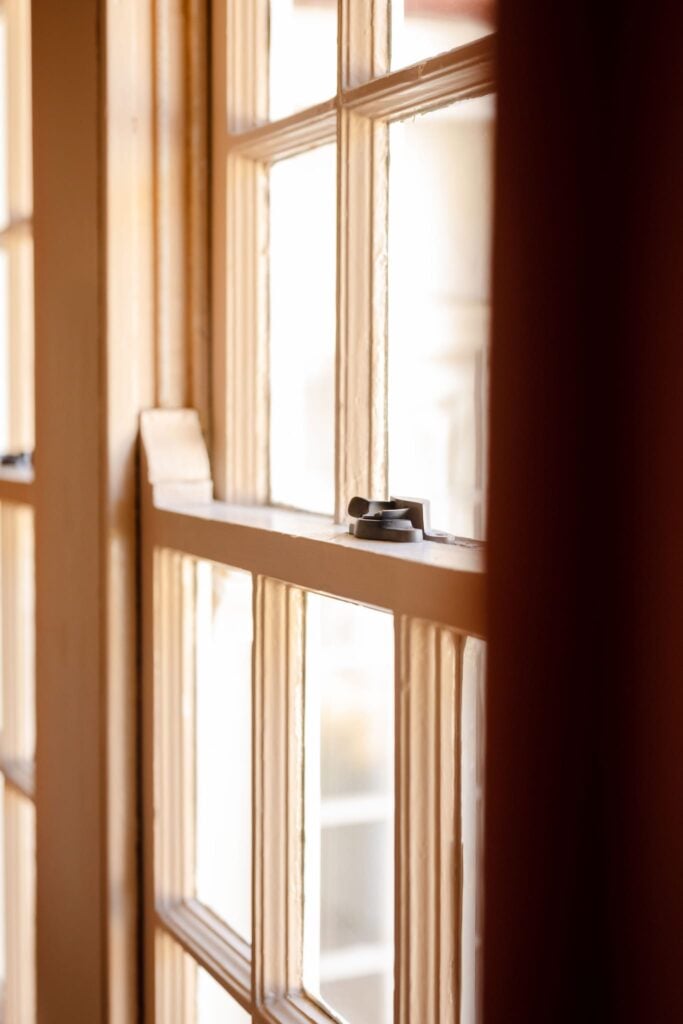
Sash windows were a mainstay of the worker’s cottage, and so restoring them and getting the fittings right will ensure a heritage feel to your renovation.
Explore Sash Window Accessories.
Reims Lever - Long Backplate
Inspired by the French Provincial style, the elegant Reims Lever draws from the ornate, yet understated detailing found within French countryside manor homes. Subtle curves and refined banding accents enhance its timeless quality.
See productPanic Bolt - L255mm
TradCo Panic Bolts provide a secure locking solution for secondary doors — including French doors, double doors, and external access points — while still allowing a quick, unobstructed exit when needed. Crafted from solid brass and true to traditional design principles, each panic bolt includes keepers for both flush and recess mounting. They’re a dependable choice for restoration projects where both function and period character are important. Available in a range of finishes.
See productTraditional Dimmer
Traditional dimmers and fan controllers with brass covers and knobs. Look for LED dimmers with the /250 code suffix. Matching switches and sockets also available.
See productQuad Switch & Socket Wood Blocks - Classic Profile
Wood blocks with classic edge profile.Suit Tradco Period Switches and Sockets.Available in Cedar stain on MDF veneer or raw Hoop Pine.
See productDoor Knobs and Levers
If the aim is to keep things entirely faithful, then door knobs and levers are the way to go, as they were the door furniture of choice in worker’s cottages originally. Heritage brass hardware like shiny brass Door Knobs easily assimilate, whilst both interior door levers and traditional style levers work seamlessly. TradCo’s Reims Lever, for example, with its elegantly long backplate, slots impeccably into place.
Explore Doors Knobs and Levers.
Pull Handles
There are elements that won’t have been around in the 1800s which can still work well in a worker’s cottage. Pull Handles are a case in point — as long as they are made in traditional materials, such as Antique Brass or Matt Black, they’re sure to fit right in.
Explore Pull Handles.
Bringing History Home
The Australian worker’s cottage is one of the most definitive forms of architecture in the country, and it’s for that reason that restoring them with care matters. Restoration is at the heart of TradCo, with fittings that respect the old, but with all the bells and whistles that contemporary design has to offer. Whether it’s through Sash Lifts, Door Knobs, antique style cabinetware or traditional kitchen hardware, incorporating TradCo hardware means honouring the history of these exceptional buildings, whilst ensuring they last for another hundred, or two hundred, years, so your great-great-grandchildren get to experience the joy of inhabiting them as well.
Milton Lever - Long Backplate
The classically crafted Milton Lever is inspired by the ornate styles of the Victorian era. Its elegantly curved silhouette offers expressive yet refined ornamentation, featuring an upturned lever profile.
See product
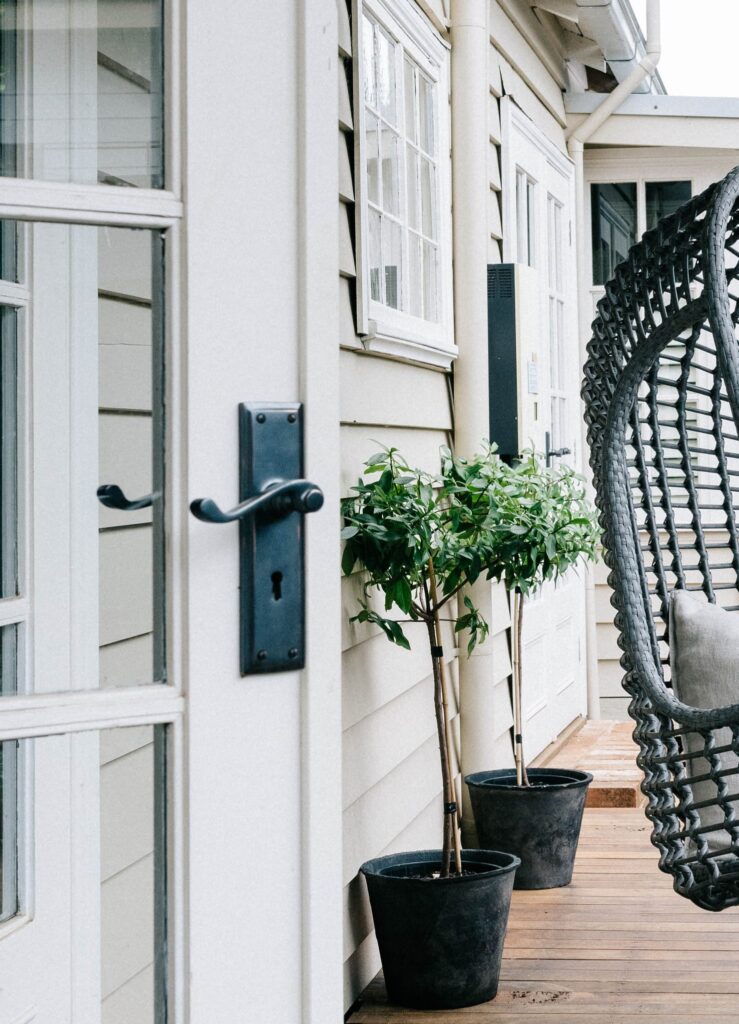
Milton Lever - Long Backplate
The classically crafted Milton Lever is inspired by the ornate styles of the Victorian era. Its elegantly curved silhouette offers expressive yet refined ornamentation, featuring an upturned lever profile.
See product
Featured Products
-
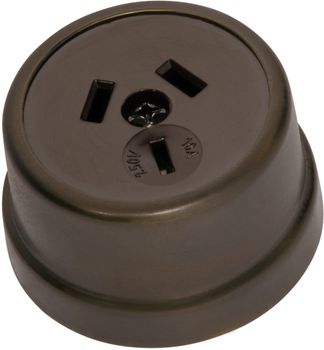
Traditional Sockets
-
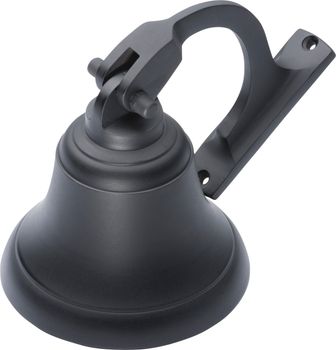
Ships Bells
-
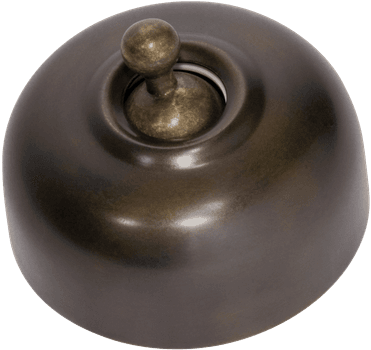
Traditional Light Switches
-

Victorian Lever – Long Backplate
-

Classic Cupboard Knob – D38xP35mm
-
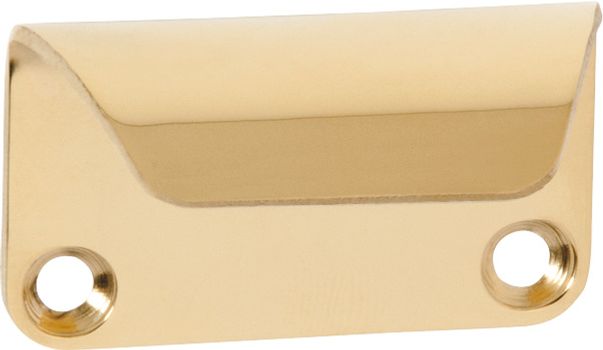
Stainless Steel Sash Lift
-

Reims Lever – Long Backplate
-

Panic Bolt – L255mm
-
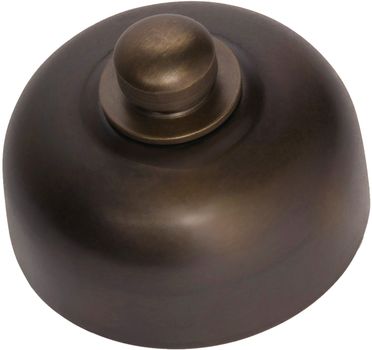
Traditional Dimmer
-

Quad Switch & Socket Wood Blocks – Classic Profile
-

Classic Sash Fastener
-

Milton Lever – Long Backplate
-

Classic Centre Door Knob
-
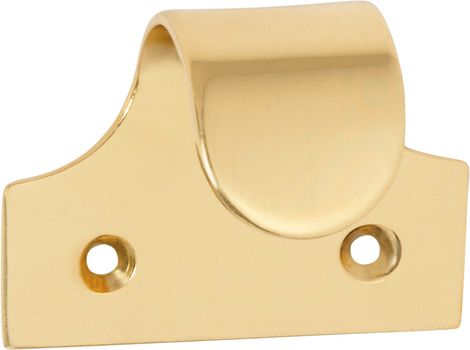
Classic Sash Lift – Large
About the author
Related articles
-
Heritage & Restoration
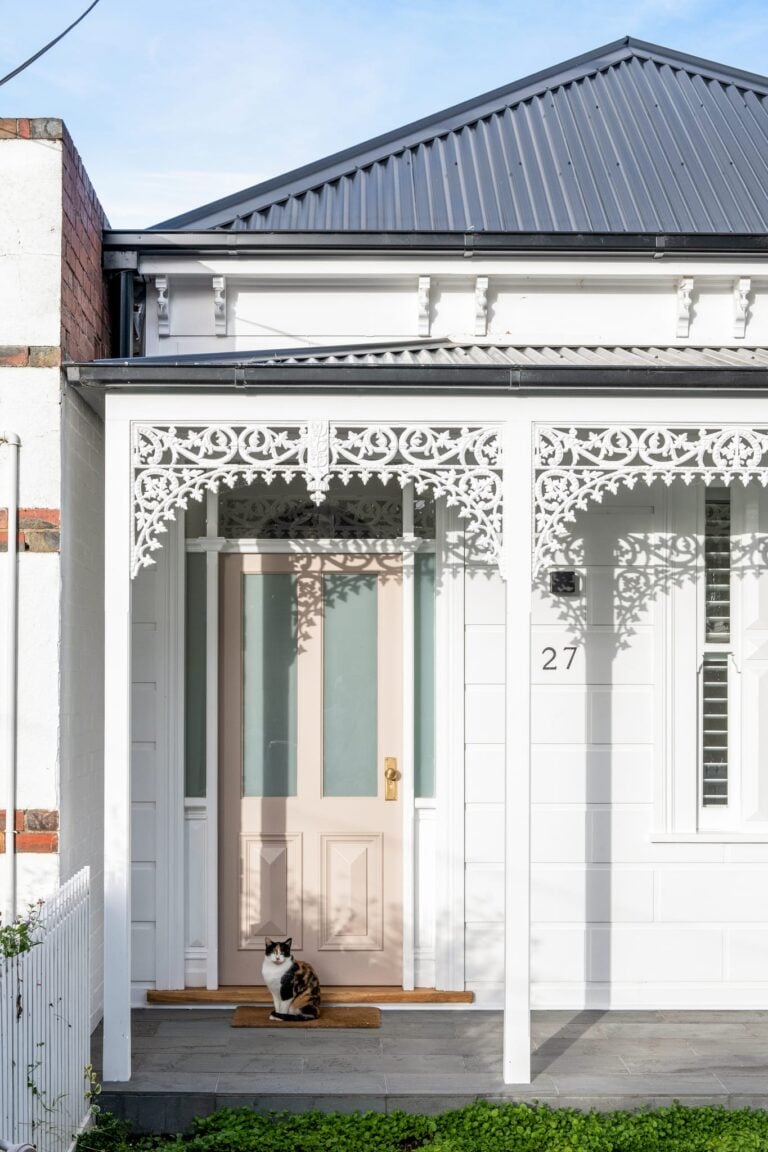
A Journey Through Australian Architectural Styles: Victorian (1837-1901)
31 March 2026 -
Heritage & Restoration
A Journey Through Australian Architectural Styles: Colonial Georgian Homes (1788–1850)
31 March 2026 -
Heritage & Restoration
For the Love of Vintage: How Jenn Bliss Came to Find Her Passion in Restoration
31 March 2026